Asscher Cut Bulk Supplier: MOQ and SKU planning
Understanding MOQ Flexibility for Asscher Cut Bulk Orders When planning a new line of Asscher cut jewels, MOQ can feel like a bott…

I have run incoming checks on asscher cut wholesale shipments for twelve years, and the pattern never changes. A buyer who opens the box, counts the pieces, and signs off is the buyer who emails me three weeks later with a complaint. The buyer who spends ten careful minutes at the table before signing is the one who sleeps well.
This is not a piece about picking a supplier. You already picked one, or you are about to. This is the sequence I would follow if I were standing at your receiving table with a loupe and a phone camera, and I want you to follow it in order, because order matters.
One note before we start: the asscher is a step cut, so it fails differently from a round brilliant. Brilliance hides sins. Steps magnify them. Every minute below is built around that single fact.
Do not open the parcel in a room with overhead point lighting. Asscher stones look clean under a spot and muddy under a flat panel. Set up a neutral daylight lamp at 45 degrees and a plain grey tray. Photograph the sealed bag, the label, and the waybill together in one frame before you touch anything.
Check the outer carton for crush damage and the inner bag for a broken heat seal. If the seal is compromised, stop and email the supplier with photos before opening. A broken seal voids most claim windows, and I have seen buyers lose a legitimate argument over exactly this.
Count against the packing list line by line, not against the total. Asscher cut wholesale orders usually ship in size bands, and a shortage in one band is easy to miss when the total looks right. Weigh each band on a 0.001 g scale and compare to the expected carat weight.
A weight gap of more than two percent on a band is worth a question. Below that, it is usually rounding on the individual stone weights, which is normal at this price point. Above five percent, ask for the original weighing sheet.
| Check | Pass | Hold | Reject |
|---|---|---|---|
| Piece count vs packing list | Exact match | 1 to 2 short | 3 or more short |
| Band weight vs expected | Within 2 percent | 2 to 5 percent | Over 5 percent |
| Certificate count | One per stone over 0.50 ct | Missing 1 | Missing 2 or more |
| Size band labels | All legible | One smudged | Labels swapped |
Now the part that actually matters. Lay every stone table-down on the grey tray in a grid, then flip them table-up in the same order. You are looking for two things in this pass: visible inclusions through the table, and any stone that sits off-square in its outline.
An asscher should read as a square with cut corners, and those corners should be even. Rotate each stone 90 degrees. If the corner facets change width as you turn it, the cut is asymmetric, and that stone will look lopsided in a setting. Under a loupe, tilt each stone about 15 degrees and watch the steps. Clean, parallel steps mean the pavilion was cut properly. Wavy or broken steps mean the polishing was rushed.
This is where our own floor discipline shows up in your tray. We run a three-stage QC: incoming stone check, in-process check, and pre-ship AQL. That in-process stage exists because a step cut cannot be fixed after the fact, and it is a large part of why our cost, speed and yield run about 20 percent better than typical trading companies. We are not buying finished parcels on the open market and re-sorting them. We control the stone from rough selection forward, so fewer bad pieces ever reach the polishing bench.
If a stone fails the 90-degree rotation test, set it aside. Do not talk yourself into it because the price was good. Asymmetric asschers are the single most common complaint I see from first-time buyers.
Open the certificate envelope last, after your visual pass, so the paperwork cannot bias your eye. Match certificate numbers to the stones one at a time. For asscher cut wholesale lots, expect GRA certificates on the smaller melee and IGI on the larger stones, and check that the stated measurements match what you measure with calipers.
Pay attention to the polish and symmetry grades. On a step cut, a symmetry grade of good or lower will show up as a visible step misalignment, and you will see it in the tray long before you read it on paper. If the paper says excellent and your eye says otherwise, trust your eye and photograph the evidence.
Photograph the failed stone on the grey tray with a scale bar in frame, next to its certificate. Send that image, the packing list, and the seal photo in one email to the supplier the same day. A clean, dated record is what turns a complaint into a replacement instead of an argument.
For our accounts, the standard terms are straightforward. Stock items carry an MOQ of one piece, and custom cuts start at 30 pieces. Production runs 12 to 18 days, we ship DDP with delivery in 5 to 8 days, and payment is T/T at 30 percent deposit, with PayPal accepted for samples. If you want a second opinion on a lot you already received, send me the photos on WhatsApp at +86 133 7744 7107 and I will tell you honestly whether it is worth a claim.
One more thing. Keep a small retained sample from every lot, sealed and labeled with the date and PO. When a repeat order arrives six months later, that retained stone is the fastest color and cut comparison you will ever have.
Stock sizes ship from one piece, so you can sample before committing. Custom cuts and non-standard size bands start at 30 pieces per line. Pricing is quoted per carat and varies with size band, color and clarity, so send your spec sheet for an exact figure.
Production runs 12 to 18 days after deposit, depending on whether the order is stock or custom. We ship DDP, and delivery to US and EU addresses is typically 5 to 8 days after dispatch. Certificates are issued before the pre-ship AQL inspection.
Yes. Sample orders are accepted at the one-piece MOQ, and PayPal works for those smaller amounts. Bulk orders move to T/T with a 30 percent deposit. Samples ship with the same GRA or IGI paperwork as production stones, so you can verify the certificate match yourself.
If you have a lot on the table right now or a spec sheet ready to price, send it over. Email service@holycome.com with your size bands, color and clarity targets, and quantity, and I will come back with a quote and a sample offer you can put through this checklist yourself.
MOQ is 1 stone for samples. Bulk orders are priced by quantity tier; send your cut, carat, color and clarity requirements and we will return a wholesale quotation.
Sample stones ship within 7-14 days. Bulk production lead time is 15-25 days after deposit confirmation; international delivery after dispatch typically takes 3-10 business days depending on destination.
Prices are quoted per carat in US dollars with tiered wholesale pricing. We accept T/T (30% deposit, balance before shipment), PayPal and Western Union for sample and small orders.
Looking for loose stones or a custom cut? Talk to the factory directly.
Send InquiryWritten by the Holycome manufacturing & quality team. Every figure and claim in this article comes from our own production floor in Wuzhou, China — in-house casting, stone setting and a three-pass quality inspection we have run since 2008.
Materials are tested for nickel, lead and cadmium release by SGS and CTT International; moissanite centre stones ship with their GRA warranty card and report. We also hold an independent SMETA / Sedex ethical-trade audit and a Hong Kong Customs AML registration.
Reviewed for accuracy by our quality team before publication. Last updated .
Written by the Holycome manufacturing & quality team. Every figure and claim in this article comes from our own production floor in Wuzhou, China — in-house casting, stone setting and a three-pass quality inspection we have run since 2008.
Materials are tested for nickel, lead and cadmium release by SGS and CTT International; moissanite centre stones ship with their GRA warranty card and report. We also hold an independent SMETA / Sedex ethical-trade audit and a Hong Kong Customs AML registration.
Reviewed for accuracy by our quality team before publication. Last updated .
Understanding MOQ Flexibility for Asscher Cut Bulk Orders When planning a new line of Asscher cut jewels, MOQ can feel like a bott…
Why Factory Direct Asscher Cuts Beat Trade Margins Buying straight from our Asscher‑cut line cuts out the middleman and the markup…
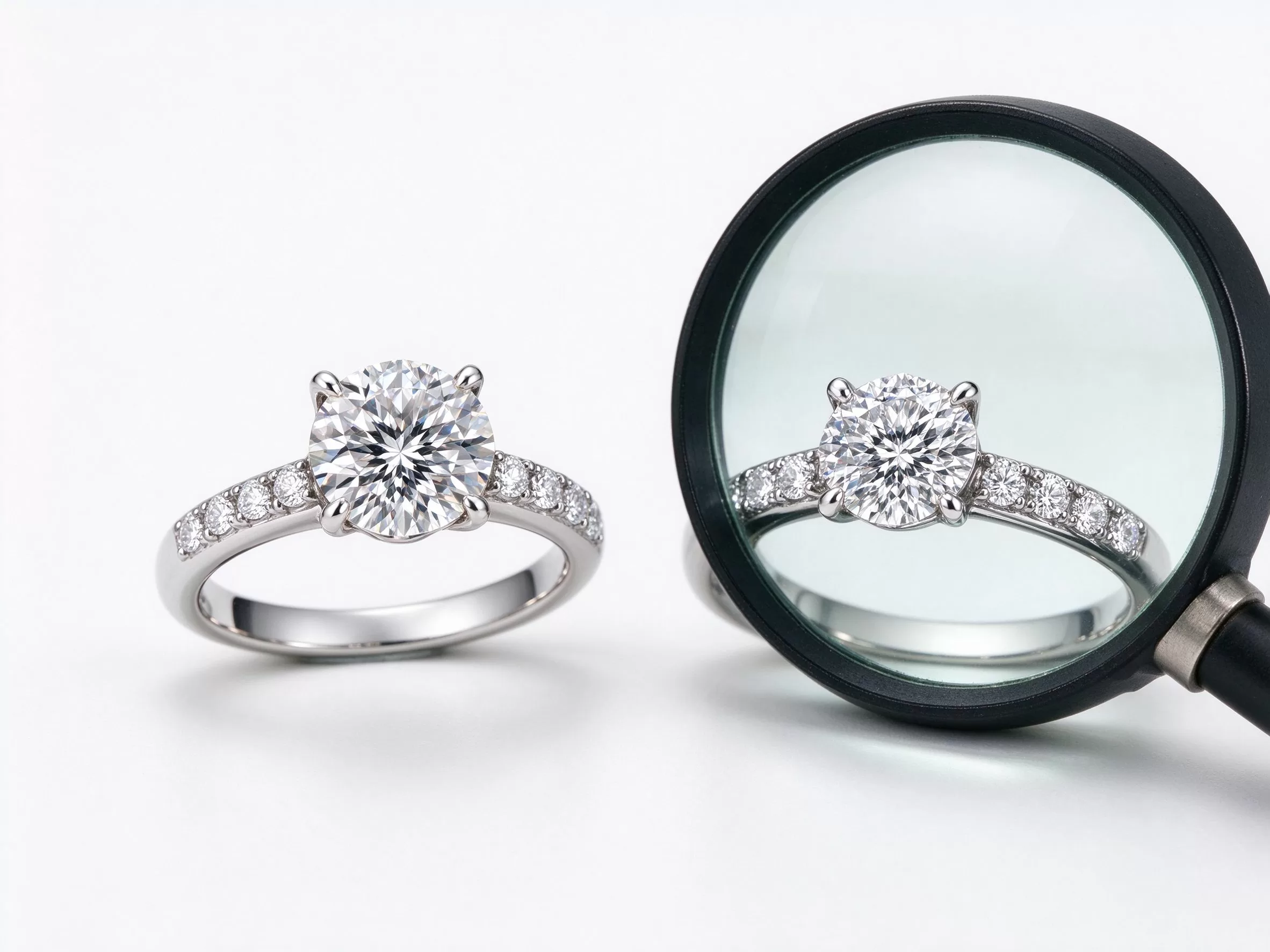
Inbound Stone Inspection: The First Line of Defense Every Asscher cut gem that enters our production line undergoes a meticulous i…
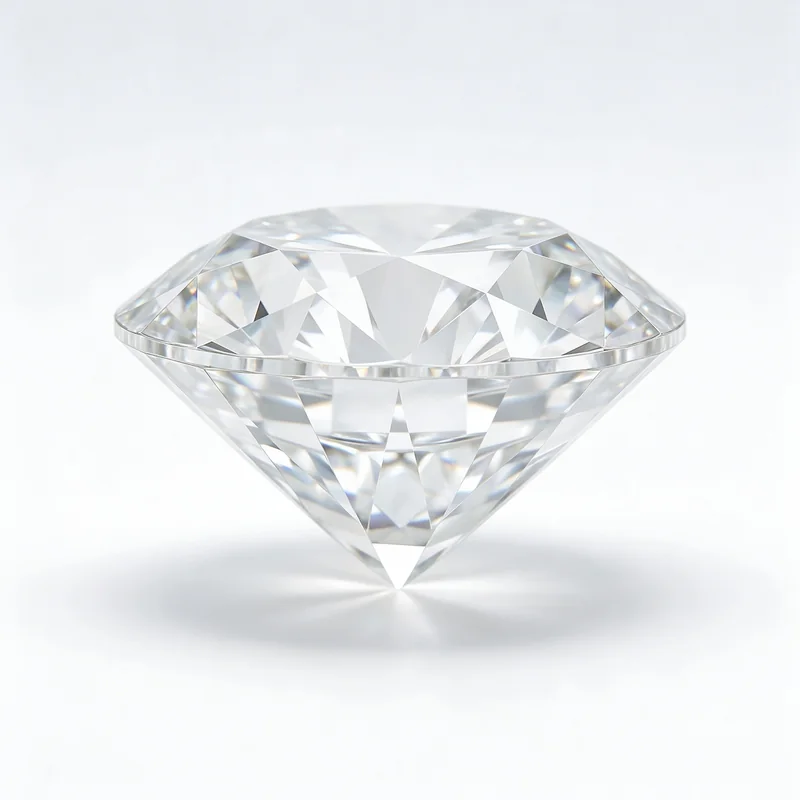
Understanding the Asscher Cut Custom OEM Lead Time When you place a custom Asscher cut request, the first thing that matters is th…

Why Stone Setting Durability Matters for Asscher Cut Wholesale Buyers Asscher cut stones demand precise setting because their dist…