Asscher Cut Bulk Supplier: MOQ and SKU planning
Understanding MOQ Flexibility for Asscher Cut Bulk Orders When planning a new line of Asscher cut jewels, MOQ can feel like a bott…

The Asscher cut is the geometry of old Hollywood: a square step-cut with clipped corners and that characteristic open central table. As an engagement stone, it serves a particular vintage-minded buyer. As a cocktail or statement ring, it becomes something else entirely. Set large, set bold, and set with a halo, the Asscher turns into a piece people photograph. For a wholesaler willing to stock a niche deliberately, the cocktail Asscher is a slow-moving but high-margin line worth a small, calculated inventory commitment.

Cocktail rings are not everyday pieces. They are bought for events, parties, and self-purchased luxuries, and their buyers shop by drama. The Asscher delivers drama through structure, not sparkle: its deep step facets create a mirrored, hall-of-mirrors effect that looks expensive in any light. That is the same Art Deco geometry discussed in the Asscher and Art Deco geometry piece, scaled up to statement size.
An Asscher cocktail ring needs presence. Below 7x7mm it reads as a normal engagement stone. The statement range runs from 8x8mm to about 10x10mm square. Those sizes give the step facets room to breathe and make the ring visually substantial on the hand. Larger than 11mm, the wholesale cost climbs quickly and the audience narrows to collectors. Read the size and demand logic in large-step-cut inventory risk; the caution about big step cuts applies to Asschers just as it does to emerald cuts. Stock two sizes, not a dozen.
A bare large Asscher can read as plain. The cocktail treatment usually adds a halo of round melee or a geometric surround of small baguette accents. Both reference the 1920s vocabulary where the Asscher originated. Halo eternity and band styling for this cut is covered in Asscher halo and eternity band styling. For a statement ring, a fuller surround is justified because the customer is paying for the look, not for discreet everyday wear.
The honest risk with statement rings is inventory. A 9x9mm Asscher sits in a drawer longer than a 6mm round. The way experienced wholesalers handle this is detailed in slow-moving Asscher inventory strategy: buy one or two of each size, list them as available-to-order, and let demand trigger the next buy rather than pre-stocking a pile. This is also where made-to-order custom work helps; the custom proportions option in custom vintage Asscher proportions lets you serve the exact buyer without holding inventory yourself.
Step cuts show color and clarity differently than brilliants. The open table of an Asscher makes a near-colorless grade essential; any yellow tint reads through the large flat face. Moissanite's standard D-E-F grading serves this well, and the color-grade stocking logic in stocking DEF color grades applies. Clarity expectations can be slightly relaxed, because the step facets and the halo distract the eye; what matters most is that the table face reads clean.
This is not the mass bridal buyer. It is the customer who already has an engagement ring and wants a piece that looks like it belongs in a film, or the buyer shopping a milestone birthday. Those customers pay premium margins and they remember the vendor who had exactly what they pictured. Stock two sizes, set them with a confident halo, price them like the luxury pieces they are, and let the niche sell itself. The Asscher cocktail ring does not need to move in volume. It needs to move at margin.
A large cocktail Asscher is hard to stack against, which means most customers wear it alone. That is fine, but you can still build a secondary sale by offering a slim, plain band that complements rather than competes with the step-cut geometry. The buyer who commits to a statement piece usually wants it to be the only loud thing on her hand, and a simple polished band is the respectful companion. Offer it as a set at checkout, and you give the retailer a clean add-on that costs almost nothing to stock. The customer feels styled, the margin improves, and the Asscher remains the star of the show.
Because statement buyers plan ahead, their lead times are longer. That works in your favor: you can order the exact 9x9mm Asscher to commission rather than holding it on spec. Offer made-to-order as the default for the largest sizes, and your slow-moving inventory problem largely disappears.
The cocktail Asscher is a slow burn. It will never be your top SKU, but the handful it sells each quarter carries a margin that makes up for several of the faster-moving pieces. Keep it listed, keep the photos dramatic, and let it earn its place quietly.
Gemstone grading terminology used here follows the Gemological Institute of America’s gem encyclopedia.
Yes for price-sensitive customers who want brilliance and hardness. Moissanite ranks 9.25 on the Mohs scale, holds up to daily wear and costs a fraction of a natural diamond of the same size, so it resells fast in bridal and fashion lines.
MOQ starts at 50 pieces per design for stock items. Custom cuts and private-label settings usually start at 100–300 pieces depending on the mold.
Yes. Every parcel ships with GRA or IGI documentation listing carat weight, color grade and cut. We recommend passing the certificate to your end customer for trust.
Samples ship in 3–5 days. Bulk runs take 15–20 days under 500 pieces, and 25–30 days for custom work.
MOQ is 1 stone for samples. Bulk orders are priced by quantity tier; send your cut, carat, color and clarity requirements and we will return a wholesale quotation.
Sample stones ship within 7-14 days. Bulk production lead time is 15-25 days after deposit confirmation; international delivery after dispatch typically takes 3-10 business days depending on destination.
Prices are quoted per carat in US dollars with tiered wholesale pricing. We accept T/T (30% deposit, balance before shipment), PayPal and Western Union for sample and small orders.
Looking for loose stones or a custom cut? Talk to the factory directly.
Send InquiryWritten by the Holycome manufacturing & quality team. Every figure and claim in this article comes from our own production floor in Wuzhou, China — in-house casting, stone setting and a three-pass quality inspection we have run since 2008.
Materials are tested for nickel, lead and cadmium release by SGS and CTT International; moissanite centre stones ship with their GRA warranty card and report. We also hold an independent SMETA / Sedex ethical-trade audit and a Hong Kong Customs AML registration.
Reviewed for accuracy by our quality team before publication. Last updated .
Written by the Holycome manufacturing & quality team. Every figure and claim in this article comes from our own production floor in Wuzhou, China — in-house casting, stone setting and a three-pass quality inspection we have run since 2008.
Materials are tested for nickel, lead and cadmium release by SGS and CTT International; moissanite centre stones ship with their GRA warranty card and report. We also hold an independent SMETA / Sedex ethical-trade audit and a Hong Kong Customs AML registration.
Reviewed for accuracy by our quality team before publication. Last updated .

Understanding MOQ Flexibility for Asscher Cut Bulk Orders When planning a new line of Asscher cut jewels, MOQ can feel like a bott…
Why Factory Direct Asscher Cuts Beat Trade Margins Buying straight from our Asscher‑cut line cuts out the middleman and the markup…
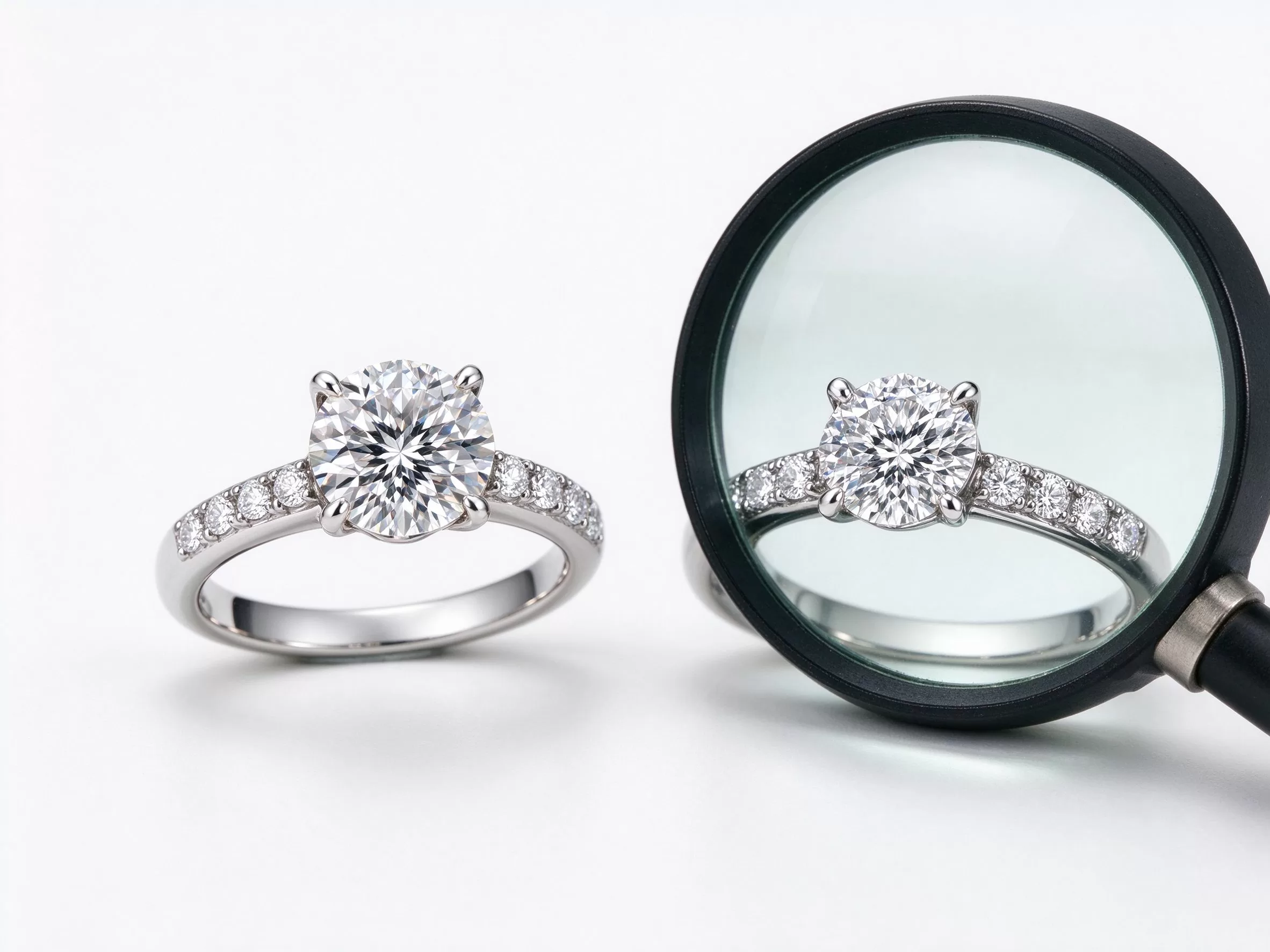
Inbound Stone Inspection: The First Line of Defense Every Asscher cut gem that enters our production line undergoes a meticulous i…
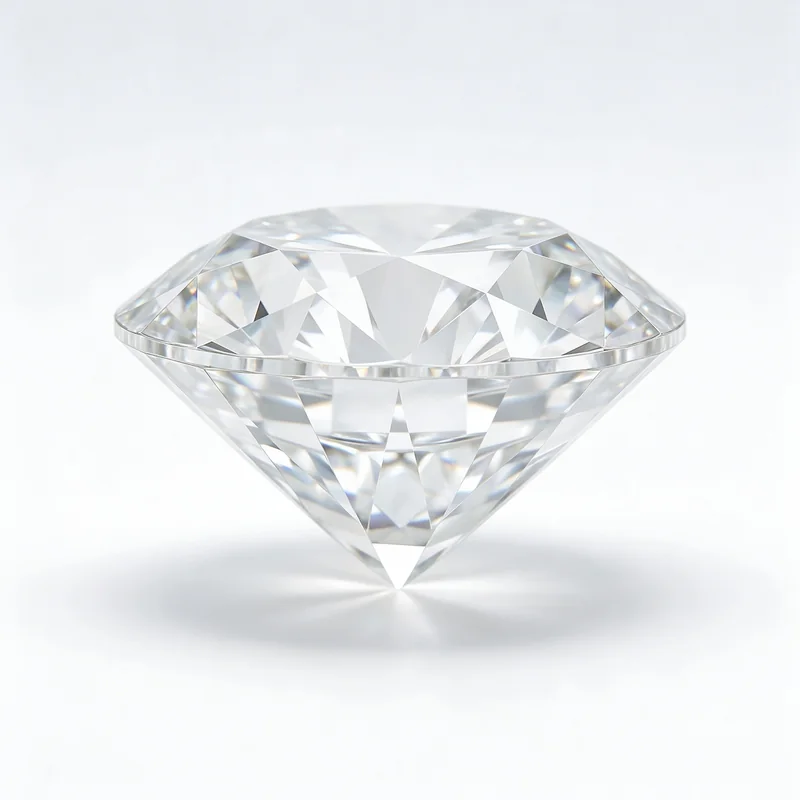
Understanding the Asscher Cut Custom OEM Lead Time When you place a custom Asscher cut request, the first thing that matters is th…

Why Stone Setting Durability Matters for Asscher Cut Wholesale Buyers Asscher cut stones demand precise setting because their dist…