Asscher Cut Bulk Supplier: MOQ and SKU planning
Understanding MOQ Flexibility for Asscher Cut Bulk Orders When planning a new line of Asscher cut jewels, MOQ can feel like a bott…
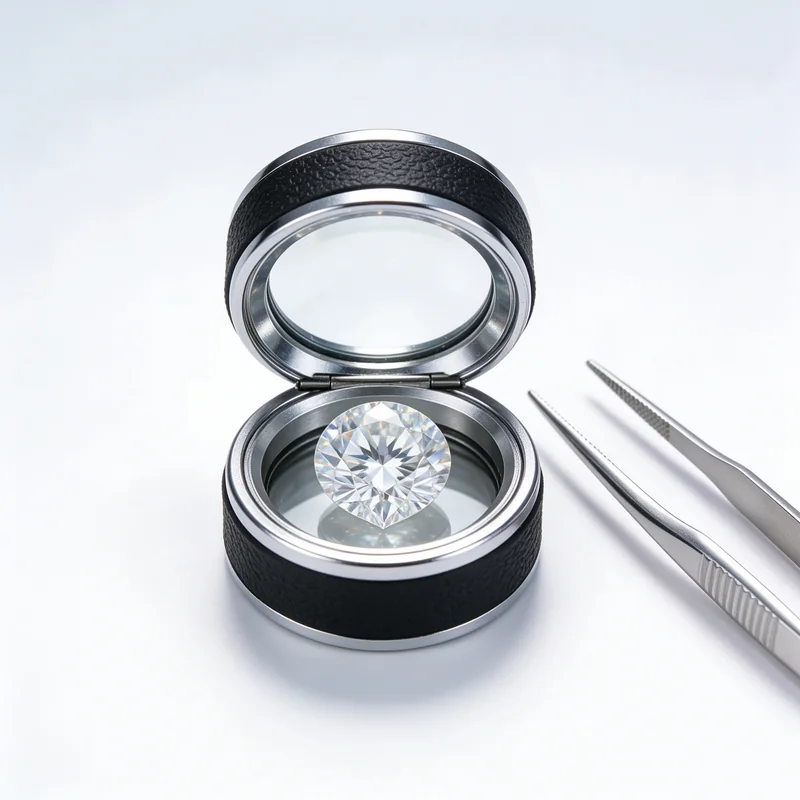
For US wholesale buyers sourcing Asscher Cut moissanite, the payment structure is straightforward: bulk orders run on T/T with a 30 percent deposit and a 70 percent balance before shipment, while sample orders are paid through PayPal. That split matters because the Asscher Cut is a precision shape with a large open table and stepped facets, so you want a low-risk entry point before committing to a production run.
This article breaks down how deposits, balance payments, and inspection checkpoints apply specifically to Asscher Cut loose stones and finished pieces, with concrete timelines you can plan around.
The Asscher Cut rewards buyers who understand its production realities. The square silhouette with cropped corners and concentric steps shows any symmetry error immediately, which lengthens both cutting and quality control compared with simpler shapes. When your money moves in stages tied to verification steps, the payment terms become a practical quality tool rather than a formality.
An Asscher Cut is judged on the hall-of-mirrors effect created by its stepped facets. If the corners are cut unevenly or the steps drift out of alignment, the stone loses the architectural character that defines the shape. Cutting to a high standard takes more time per carat than a round brilliant, and the setting stage adds another variable, since prongs must protect four vulnerable corners without crowding the table. Staged payments keep each of these stages accountable.
Moissanite is a lab-created diamond alternative, and graded stones ship with GRA or IGI papers so buyers can verify carat weight and quality independently. Because loose stones are sold by the carat and finished pieces are priced per piece or per carat depending on the item, your deposit is calculated on the confirmed order value. Once the deposit clears, production capacity and raw material are locked for your order.
The deposit is not a vague booking fee. It allocates loose moissanite by carat, reserves cutting and setting capacity, and triggers the incoming material inspection stage of the three-stage QC process. For an Asscher Cut order, incoming inspection matters because the shape exposes inconsistencies in pre-cut rough. If you are ordering finished pieces in 925 sterling silver, 10K, 14K, or 18K solid gold, metal sourcing is confirmed at this stage too.
From deposit clearance, you get a firm timeline: sampling runs 7 to 10 days, and bulk production runs 15 to 25 days after approval.
Holding the balance until before shipment ties final payment to the pre-ship AQL inspection. For Asscher Cut pieces, inspectors check facet alignment, corner symmetry, table proportion, and prong security. Metal verification is confirmed again at this stage, whether the item is sterling silver, gold vermeil, gold plated, or solid gold. Only after the AQL pass does the 70 percent balance come due, and DDP delivery to the US follows in 5 to 8 days.
Sequencing payment this way means you never release full funds for goods that have not passed inspection.
Wholesale buyers operate in two distinct payment environments, and treating them separately keeps exposure controlled at each step.
Sample orders are paid through PayPal, which offers a familiar and lower-friction channel for a first engagement. Sampling takes 7 to 10 days, and for the Asscher Cut this window is your chance to evaluate the details that photos hide: step count, corner geometry, and how the stone sits in the setting.
Order samples in the exact metal you plan to sell, whether that is 925 sterling silver or 14K solid gold, because plating thickness and prong finishing differ across metals. A sample round paid by PayPal is the cheapest way to confirm the cutting standard before any deposit discussion begins.
Once samples are approved, bulk orders move to T/T with the 30 percent deposit and 70 percent balance before shipment. Plan your cash flow around two dates rather than one: the deposit date that starts the 15 to 25 day production clock, and the balance date that triggers DDP shipping.
Buyers who fund the deposit before confirming their own retail or distribution commitments often end up paying the balance under pressure, so align your internal purchasing approvals with the supplier timeline before signing off.
The table below summarizes how the two payment environments differ for an Asscher Cut order, from deposit size to timeline. Use it as a checklist when planning your first production run.
| Order Type | Payment Method | Deposit Terms | Timeline |
|---|---|---|---|
| Sample order | PayPal | Paid in full | 7 to 10 days |
| Bulk, stock style | T/T | 30 percent deposit, 70 percent before shipment | 15 to 25 days after approval |
| Bulk, custom work | T/T | 30 percent deposit, 70 percent before shipment | 15 to 25 days after approval |
| Loose stones | T/T | 30 percent deposit, 70 percent before shipment | Sold by the carat |
Note the practical difference in minimums: stock styles carry a minimum order quantity of 1 piece, while custom work requires 30 pieces. Loose stones are sold by the carat with no piece minimum, which lets you test Asscher Cut demand in your market before committing to a custom run. Pricing is quoted per piece or per carat depending on the item, so request quotes by the unit type you actually intend to order.
The three-stage QC process maps cleanly onto the payment schedule, and buyers who understand the mapping can time their own verification work to it.
Incoming inspection happens as the deposit goes to work. Loose moissanite is checked before cutting, and metal stock is verified before casting or fabrication. If a batch fails incoming checks, the problem surfaces early, when there is still time to substitute material without delaying the 15 to 25 day production window.
In-process inspection covers the stages where an Asscher Cut is most vulnerable: facet cutting and setting. Stepped facets are measured against the approved sample, and prongs are checked for corner coverage. This is also where metal composition is confirmed, so a gold vermeil piece is checked for its sterling silver core and plating quality rather than treated as solid gold. Buyers ordering custom work at the 30 piece minimum should treat the approved sample as the binding reference here.
The pre-ship AQL inspection is the gate before your 70 percent balance. It samples finished goods against acceptance quality limits and generates a report you can review alongside GRA or IGI papers for graded stones. Reviewing certificates and the AQL report together, then releasing the balance, puts full verification ahead of full payment. DDP delivery to the US then takes 5 to 8 days, with duties and shipping handled so goods arrive ready to receive.
Beyond the standard terms, a few decisions shape how payment obligations fit your business. First, decide between stock styles and custom work early. A stock Asscher Cut style at a 1 piece minimum lets you build inventory gradually with small T/T orders, while a custom program at 30 pieces concentrates a larger deposit in a single payment.
Second, decide whether to buy loose stones by the carat or finished pieces per piece; loose buying spreads cost across carats and gives your own setters flexibility, while finished buying concentrates spend but shortens your time to market. Third, budget for the verification window between AQL completion and balance payment, including certificate review, so the 5 to 8 day DDP transit starts without administrative delay.
MOQ is 1 piece for stock styles and 30 pieces for custom work, and loose stones are sold by the carat. Sampling takes 7 to 10 days, and bulk production runs 15 to 25 days after the sample is approved. Pricing is quoted per piece or per carat depending on the item. Payment is T/T with a 30% deposit and the 70% balance before shipment, and PayPal is accepted for sample orders.
PayPal is accepted for sample orders. Bulk orders run on T/T with a 30 percent deposit and a 70 percent balance before shipment. If you want PayPal-level risk control on a bulk order, use the sampling stage to approve quality first.
Stock styles have a minimum order quantity of 1 piece, and custom work requires 30 pieces. Loose stones are sold by the carat with no piece minimum, so you can source Asscher Cut stones either way depending on your program.
Bulk production runs 15 to 25 days after sample approval, and sampling itself takes 7 to 10 days. After the pre-ship AQL inspection passes and the balance is paid, DDP delivery to the US takes 5 to 8 days.
Graded stones ship with GRA or IGI papers. Review the certificates during the pre-shipment window, before releasing the 70 percent balance, so documentation and inspection results are confirmed together.
Pieces are made in 925 sterling silver, 10K, 14K, or 18K solid gold, plus gold vermeil and gold plated options. Each metal is verified during QC, and pricing is quoted per piece or per carat depending on the item.
The clearest path to a well-structured Asscher Cut program starts with a PayPal sample, moves to a 30 percent deposit on approved styles, and ends with an AQL-passed shipment before the balance is released. Browse our moissanite shapes and finished jewelry in the wholesale product guides, learn about our production and QC process on the company introduction page, and request a quote for samples or bulk production through the contact page.
A 7 to 10 day sampling round is the lowest-risk first step you can take.
Sources: Grading references: GIA gem education and GIA laboratory information.
MOQ is 1 stone for samples. Bulk orders are priced by quantity tier; send your cut, carat, color and clarity requirements and we will return a wholesale quotation.
Sample stones ship within 7-14 days. Bulk production lead time is 15-25 days after deposit confirmation; international delivery after dispatch typically takes 3-10 business days depending on destination.
Prices are quoted per carat in US dollars with tiered wholesale pricing. We accept T/T (30% deposit, balance before shipment), PayPal and Western Union for sample and small orders.
Looking for loose stones or a custom cut? Talk to the factory directly.
Send InquiryWritten by the Holycome manufacturing & quality team. Every figure and claim in this article comes from our own production floor in Wuzhou, China — in-house casting, stone setting and a three-pass quality inspection we have run since 2008.
Materials are tested for nickel, lead and cadmium release by SGS and CTT International; moissanite centre stones ship with their GRA warranty card and report. We also hold an independent SMETA / Sedex ethical-trade audit and a Hong Kong Customs AML registration.
Reviewed for accuracy by our quality team before publication. Last updated .
Written by the Holycome manufacturing & quality team. Every figure and claim in this article comes from our own production floor in Wuzhou, China — in-house casting, stone setting and a three-pass quality inspection we have run since 2008.
Materials are tested for nickel, lead and cadmium release by SGS and CTT International; moissanite centre stones ship with their GRA warranty card and report. We also hold an independent SMETA / Sedex ethical-trade audit and a Hong Kong Customs AML registration.
Reviewed for accuracy by our quality team before publication. Last updated .

Understanding MOQ Flexibility for Asscher Cut Bulk Orders When planning a new line of Asscher cut jewels, MOQ can feel like a bott…
Why Factory Direct Asscher Cuts Beat Trade Margins Buying straight from our Asscher‑cut line cuts out the middleman and the markup…
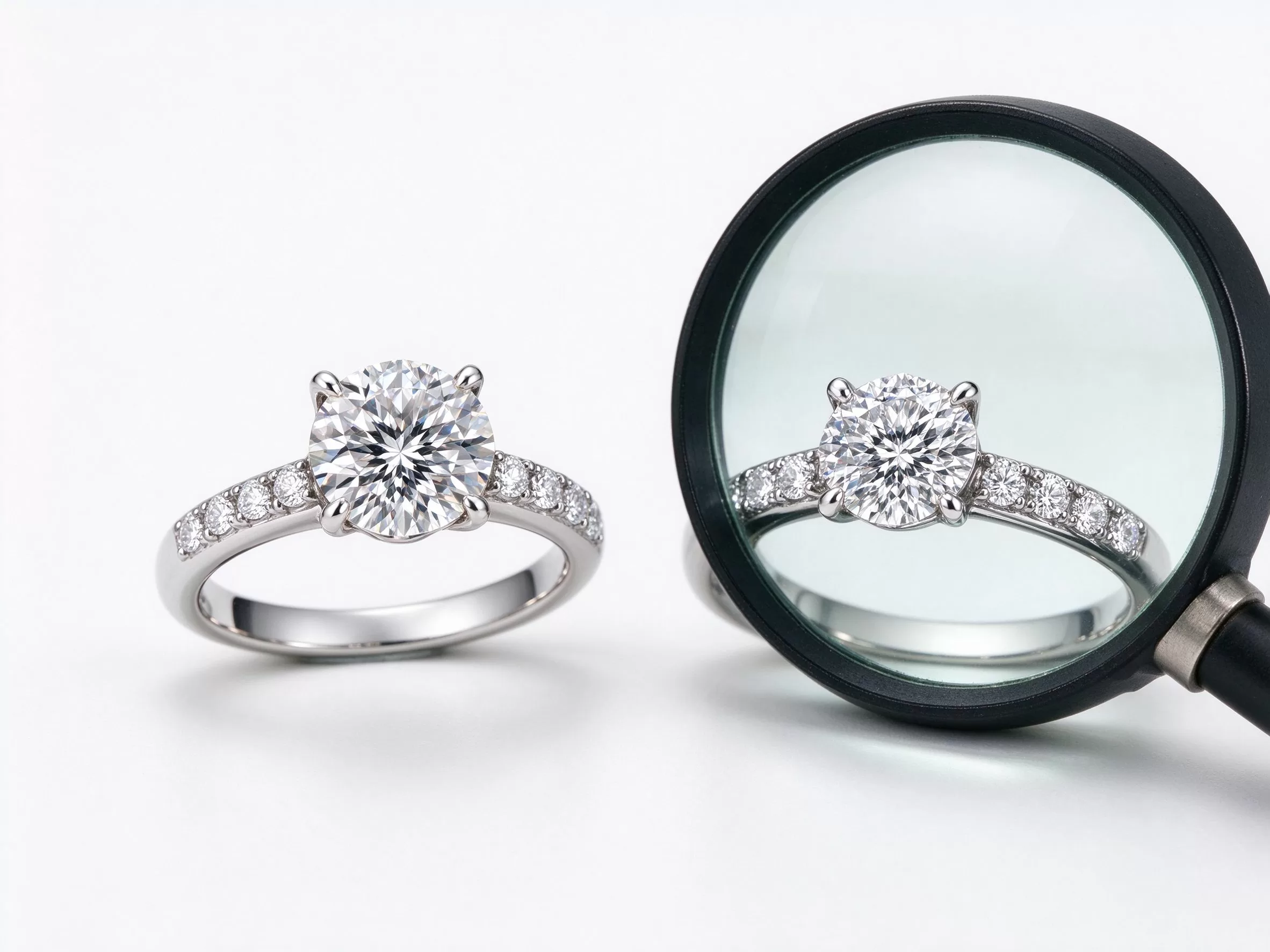
Inbound Stone Inspection: The First Line of Defense Every Asscher cut gem that enters our production line undergoes a meticulous i…
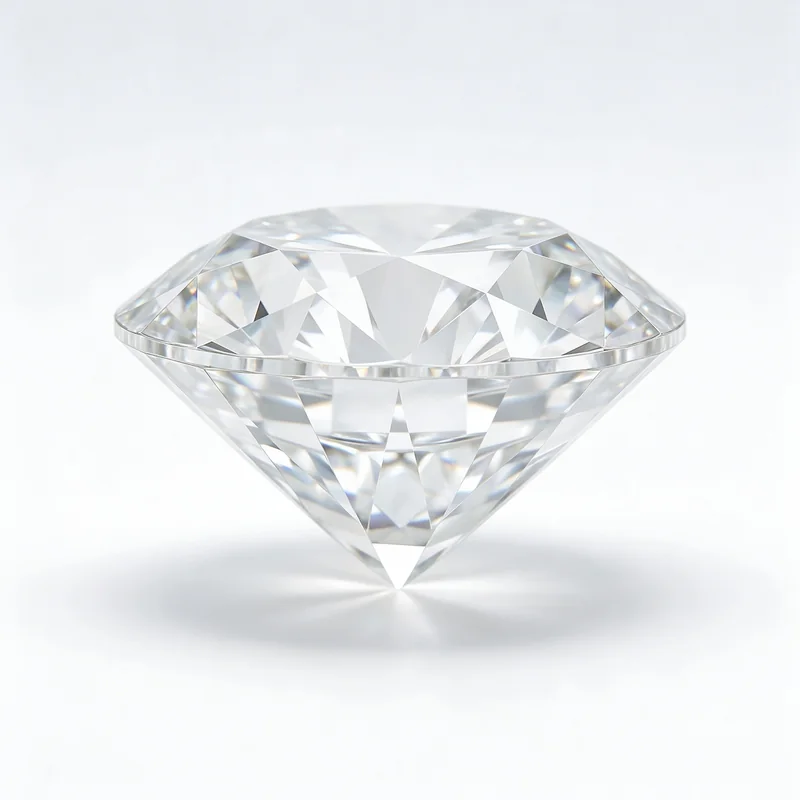
Understanding the Asscher Cut Custom OEM Lead Time When you place a custom Asscher cut request, the first thing that matters is th…

Why Stone Setting Durability Matters for Asscher Cut Wholesale Buyers Asscher cut stones demand precise setting because their dist…