Earrings Certified GRA and IGI Supplier: shipping mode comparison
Choosing the Right Shipping Mode for Your Earrings Order When ordering large batches of certified GRA and IGI earrings from a fact…

Earrings sell quickly in the US wholesale market, but the pieces that generate repeat orders share three traits: sensible sizing, secure settings, and construction that survives daily wear. When you source earrings for a retail program, every decision you make as a buyer—stone size, earring weight, setting style, and metal choice—shapes your return rate and your margin.
This guide walks through the practical decisions that matter most, with specific measurements, setting options, and production timelines so you can order with confidence.
Sizing is the first decision on any earrings order, and it is more nuanced than picking a stone that looks good in photos. Retail customers judge earrings by how they sit on the ear, so the interplay between stone diameter, drop length, and total weight determines whether a piece becomes a bestseller or a return.
Stud earrings remain the volume driver for most jewelry programs. For moissanite studs, the practical range runs from roughly 0.5 carat total weight for entry-level pieces up to 3 carat total weight for premium listings. A 1 carat total weight pair uses stones around 5 mm each, which reads as a classic size on most ears.
Smaller stones in the 3 to 4 mm range appeal to first-time buyers and gift shoppers, while 6.5 mm stones and above target customers who want visible sparkle. Loose moissanite is sold by the carat, so your per-piece cost scales directly with the stone diameter you select. Graded stones come with GRA or IGI papers, which lets your retail customers verify what they are buying.
Drop earrings need a length check before you commit to a bulk run. Anything longer than about 35 mm from the top of the ear wire starts to feel heavy for all-day wear, especially in solid gold. Hoops between 12 mm and 20 mm in diameter cover the broadest customer base; larger statement hoops in the 30 mm to 50 mm range sell well but should be built in hollow or lightweight construction to keep each pair comfortable.
As a wholesale buyer, ask your supplier for the gram weight of each style before approving samples. A pair of 14K solid gold hoops can vary by several grams depending on tubing thickness, and that difference shows up directly in your landed cost.
The setting is where durability is won or lost. Earrings move constantly—they get caught on clothing, brushed by hair, and handled every time the wearer puts them on or takes them off. Choosing the right setting for each style protects both the stone and your reputation.
Four-prong settings are the workhorse for round moissanite studs. They expose more of the stone to light, which maximizes sparkle, and they hold stones securely when the prongs are properly finished. Six-prong settings add two points of contact and suit larger stones above roughly 1 carat per stone, where the extra security justifies the slightly higher metal weight. When you review pre-ship samples, check that prongs are even in height and fully polished with no sharp edges.
A three-stage QC process—incoming material inspection, in-process checks, and a final pre-ship AQL inspection—catches prong defects before shipment, so confirm your supplier runs all three stages on every order.
Bezel settings wrap the stone edge in metal, making them the most protective option for earrings worn during workouts, sleep, or daily routines. They suit customers who want low-maintenance pieces, and they work especially well in 925 sterling silver studs where the metal provides a bright frame around the stone. Halo settings surround a center stone with smaller accent stones, adding perceived size without adding carat weight on the center stone.
The tradeoff is maintenance: halos contain more small stones, so a well-executed in-process QC check matters to make sure every accent is set tight and level before bulk production proceeds.
Backing style is a small detail with outsized effect on returns. Standard butterfly push backs are familiar to most customers and keep unit cost low, but they can loosen over time. Screw backs lock into place and suit larger, heavier studs and premium gold programs. Lever backs are the standard for drop earrings because they keep dangles from slipping off the ear.
Match the backing to the weight of the piece: a heavy 18K solid gold drop earring on a flimsy butterfly back is a recipe for lost stones and chargebacks.
Your metal choice affects price point, target customer, and how the earrings age. Be precise in your product listings: name the actual metal in every title and description. Plated and vermeil pieces should never be described as solid gold, because mislabeling creates compliance risk and erodes customer trust.
| Metal | Typical Use | Durability Notes |
|---|---|---|
| 925 sterling silver | Entry studs, hoops | Needs rhodium plating to slow tarnish |
| Gold plated | Fashion drops, trends | Lowest cost; finish wears with heavy use |
| Gold vermeil | Premium fashion lines | Thick gold layer over silver |
| 10K/14K solid gold | Core everyday programs | Strong everyday wear performance |
| 18K solid gold | Fine jewelry tier | Richer color; softer than lower karats |
This table gives you a starting framework, but the right mix depends on your customer profile. Many US retailers run a two-tier earring program: silver and vermeil for trend-driven styles at accessible prices, and 14K or 18K solid gold with moissanite for the fine jewelry tier. That structure lets you test new designs at low risk before promoting winners into solid gold.
Durability is a construction story, not a marketing claim. Moissanite is a lab-created diamond alternative that ranks high on the hardness scale, so it resists scratching in daily wear better than most gem alternatives. But the stone is only half the equation—the metal around it and the quality of the set determine how the earring holds up over months of wear.
Document these checks in your supplier agreement. A supplier that already runs incoming, in-process, and pre-ship AQL inspections can share inspection records per batch, which shortens your own QA cycle and reduces disputes.
Once sizing, setting, and metal decisions are made, the operational side is straightforward. Sampling takes 7 to 10 days, which gives you time to weigh the actual pieces, test the backings, and photograph the styles for your catalog. Bulk production runs 15 to 25 days after you approve the sample. For a seasonal launch, work backward: a fall program with an October delivery should have samples approved by late August at the latest.
Payment terms follow a standard structure: T/T with a 30 percent deposit and the 70 percent balance before shipment. PayPal is accepted for sample orders, which lowers your risk while you evaluate a new supplier. Pricing is quoted per piece for finished earrings and per carat for loose stones, so you can compare suppliers on a like-for-like basis if you know your target stone size.
Delivery to the US under DDP terms takes 5 to 8 days, meaning your total lead time from sample approval to warehouse receipt is roughly three to five weeks.
A practical opening order balances risk across sizes and price tiers. A common structure includes classic studs in 925 sterling silver at the entry price point, a mid-tier of vermeil or 10K solid gold hoops and drops, and a small fine tier of 14K or 18K solid gold studs with graded moissanite.
Keep stone sizes concentrated in the 0.5 to 2 carat total weight range for studs, since those sizes move fastest, and reserve larger stones for made-to-order custom work where the 30 piece MOQ applies. Stock styles carry a 1 piece MOQ, which makes it easy to test a new design before scaling.
Review your assortment every season using sell-through data by size and metal. Styles that move quickly in silver often justify a solid gold version the following season, and vice versa. The durability details—backing type, setting style, plating treatment—should carry over across tiers so your brand delivers a consistent experience at every price point.
MOQ is 1 piece for stock styles and 30 pieces for custom work, and loose stones are sold by the carat. Sampling takes 7 to 10 days, and bulk production runs 15 to 25 days after the sample is approved. Pricing is quoted per piece or per carat depending on the item. Payment is T/T with a 30% deposit and the 70% balance before shipment, and PayPal is accepted for sample orders.
Stock styles have a 1 piece MOQ, so you can order a single pair to test a design. Custom work requires a 30 piece MOQ per style. Loose stones for setting are sold by the carat.
Sampling takes 7 to 10 days from design confirmation. Once you approve the sample, bulk production takes 15 to 25 days. Add 5 to 8 days for DDP shipping to the US.
Bezel settings offer the most protection because metal wraps the stone edge, making them a strong choice for studs worn during daily activity. Four-prong settings work well for most round stones, and six-prong settings add security for larger stones above roughly 1 carat each.
No. Moissanite is a lab-created diamond alternative and should be described as exactly that in all listings and marketing. Graded stones include GRA or IGI papers, so describe the stones accurately to stay compliant and keep customer trust.
Bulk orders use T/T with a 30 percent deposit and the 70 percent balance before shipment. Sample orders can be paid through PayPal. Pricing is quoted per piece for finished earrings or per carat for loose stones.
Getting sizing, settings, and durability right at the sample stage is what separates a profitable earring line from a returns problem. Browse our latest designs and category guides on our jewelry articles and guides, learn about our three-stage QC process and production capabilities on our company overview page, and request samples or a quote through our wholesale inquiry page.
With 7 to 10 day sampling and 15 to 25 day bulk production, you can move from first sample to shelf-ready stock in a single buying cycle.
Sources: Grading references: GIA gem education and GIA laboratory information.
MOQ is 1 stone for samples. Bulk orders are priced by quantity tier; send your cut, carat, color and clarity requirements and we will return a wholesale quotation.
Sample stones ship within 7-14 days. Bulk production lead time is 15-25 days after deposit confirmation; international delivery after dispatch typically takes 3-10 business days depending on destination.
Prices are quoted per carat in US dollars with tiered wholesale pricing. We accept T/T (30% deposit, balance before shipment), PayPal and Western Union for sample and small orders.
Looking for loose stones or a custom cut? Talk to the factory directly.
Send InquiryWritten by the Holycome manufacturing & quality team. Every figure and claim in this article comes from our own production floor in Wuzhou, China — in-house casting, stone setting and a three-pass quality inspection we have run since 2008.
Materials are tested for nickel, lead and cadmium release by SGS and CTT International; moissanite centre stones ship with their GRA warranty card and report. We also hold an independent SMETA / Sedex ethical-trade audit and a Hong Kong Customs AML registration.
Reviewed for accuracy by our quality team before publication. Last updated .
Written by the Holycome manufacturing & quality team. Every figure and claim in this article comes from our own production floor in Wuzhou, China — in-house casting, stone setting and a three-pass quality inspection we have run since 2008.
Materials are tested for nickel, lead and cadmium release by SGS and CTT International; moissanite centre stones ship with their GRA warranty card and report. We also hold an independent SMETA / Sedex ethical-trade audit and a Hong Kong Customs AML registration.
Reviewed for accuracy by our quality team before publication. Last updated .
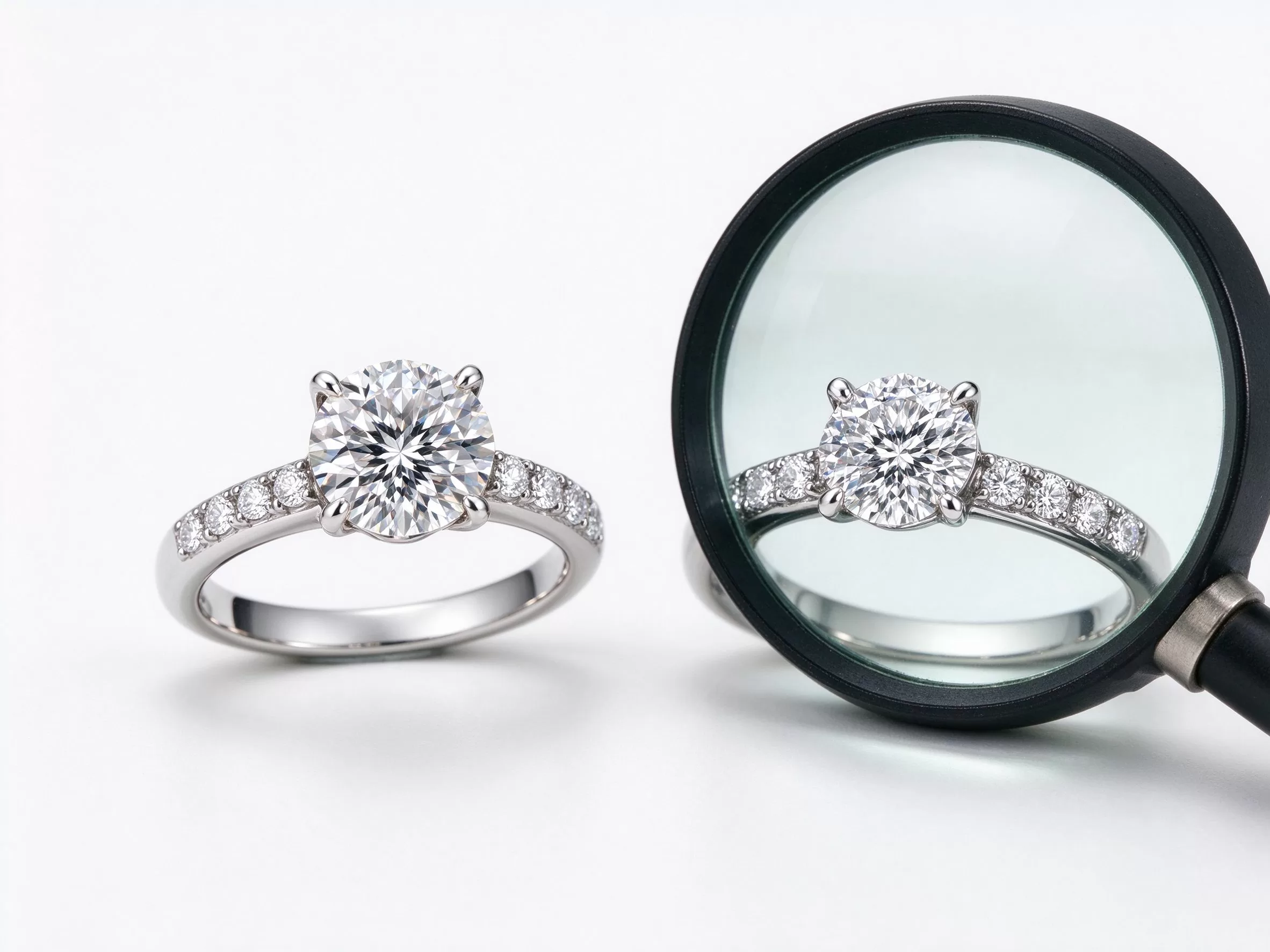
Choosing the Right Shipping Mode for Your Earrings Order When ordering large batches of certified GRA and IGI earrings from a fact…
Understanding MOQ for Bulk Earring Orders When you’re looking to stock a new line of earrings, the first thing that jumps out on y…
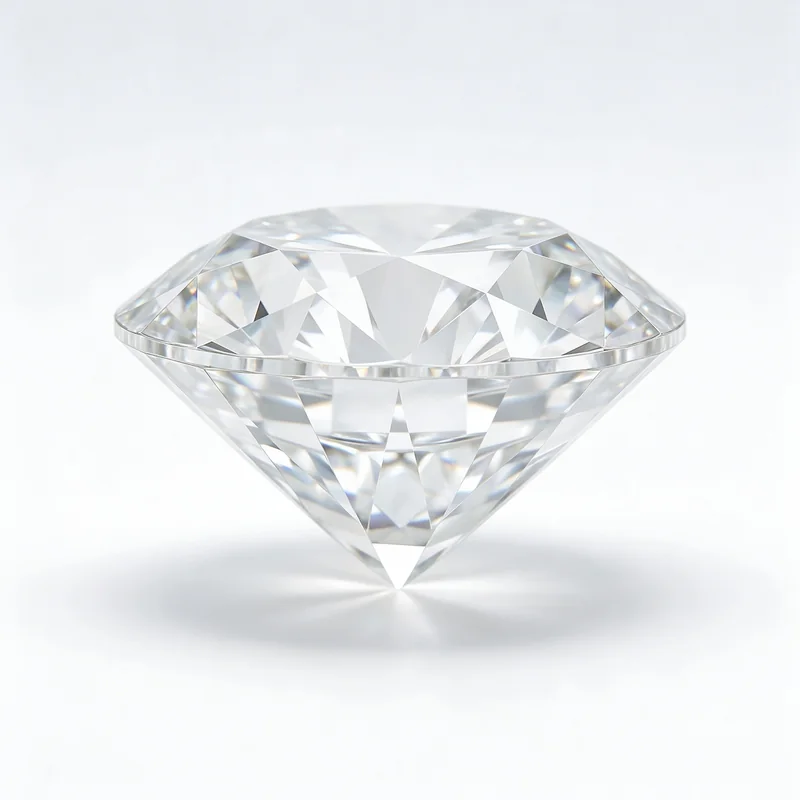
Why Direct Factory Sourcing Beats Trading Margins When you order earrings straight from our 12‑year‑old production floor, each pie…
Why Incoming QC Matters for Your Small MOQ Orders When you order just a single piece or a dozen pieces of earrings for resale, the…
Why Plating Thickness Matters for Custom OEM Earrings In the world of earrings, the plating thickness is a silent hero. It determi…