Other Jewelry Bulk Supplier: MOQ and SKU planning
Understanding MOQ in Bulk Jewelry Orders When you’re planning a new line, MOQ becomes the cornerstone of your budgeting. We set th…

For most wholesale buyers sourcing Other Jewelry, the biggest decision is not the design itself but the stone: moissanite and lab-grown cubic zirconia sit at different price points, deliver different optical performance, and attract different end customers. Moissanite, a lab-created diamond alternative, suits premium hero pieces and comes with GRA or IGI certification papers; CZ keeps entry-level price points low and machines into high-volume runs with tight calibration.
This guide walks through the practical decisions you face when building a stone program, from carat-based pricing and metal selection to sampling timelines, QC checkpoints, and payment terms.
Other Jewelry covers pieces that do not fit standard categories: toe rings, body jewelry, ankle bracelets, men's pendants, ear cuffs, and trend-driven accents. Because these items often carry lower unit prices than rings or bridge jewelry, the stone represents a larger share of the landed cost than buyers expect. A difference of a few cents per carat at the factory can move your retail positioning noticeably once marketplace fees and shipping are layered on.
Stone choice also affects how you can legally describe the product. Moissanite is a lab-created diamond alternative and should be marketed as such, never as a natural or real diamond. Cubic zirconia is a separate synthetic material with its own hardness and optical profile. Clear labeling on your product pages reduces returns and helps you pass marketplace checks on simulated gemstones.
Moissanite is silicon carbide grown in a laboratory. It has a higher refractive index than CZ, which produces the pronounced fire that end customers often notice first. Graded material ships with GRA or IGI papers documenting carat weight, color, and cut, giving you documentation to reference in listings and customer service replies.
Loose stones are sold by the carat, so cost scales with stone size. A pendant layout mixing 0.3ct and 1.0ct accents prices differently from an all-1.0ct layout even when the metalwork is identical. Request a per-carat quote for each size in your layout before approving samples so your landed cost math reflects the real stone mix.
Cubic zirconia is lab-created zirconium dioxide, typically cut to diamond-like proportions. It is softer than moissanite, which matters for pieces exposed to daily abrasion such as toe rings and body jewelry. Its strengths are cost and consistency: CZ can be machine-set across thousands of units, holds calibration within tight tolerances, and keeps entry tiers profitable.
Many buyers structure an Other Jewelry line in two tiers sharing the same castings: CZ in the entry tier, moissanite in the premium tier. Reusing tooling across both tiers spreads your mold investment over a wider assortment and shortens reorder cycles.
Beyond white stones, Other Jewelry programs often include simulated colored stones, pearl substitutes, and enamel accents. These fills rarely require certification, but you should still define color tolerance in writing. An unsigned "aqua" on a purchase order can range from pale blue to saturated teal, so pin a physical sample as the reference standard and note it in the spec sheet.
Prong, bezel, channel, and pave settings each stress a stone differently. CZ pavé holds up well on broad surfaces like pendant faces; moissanite performs best where a single stone carries the design, such as a solitaire stud or a signet-style centerpiece. Discuss setting style with your supplier's production team during sampling, not after bulk approval, because re-cutting or re-setting after production begins is costly.
Whatever stone you choose, the metal must be named correctly in quotes and listings. The standard options are 925 sterling silver, 10K/14K/18K solid gold, gold vermeil, and gold plated. Gold vermeil means a thick gold layer over sterling silver; gold plated means a thinner layer over a base metal. Neither should be described as solid gold, and your supplier's invoices should match your product page language.
Sterling silver is the most common base for CZ programs because it machines well and keeps unit costs predictable. For moissanite pieces aimed at a higher retail tier, gold vermeil or 14K solid gold settings pair naturally with the stone's certification story.
| Stone | Pricing Basis | Typical Role | Documentation |
|---|---|---|---|
| Moissanite | Per carat | Premium hero pieces | GRA or IGI papers |
| Lab-grown CZ | Per piece | Entry-tier volume | Not certified |
| Simulated color stones | Per piece | Accent fills | Sample reference |
Use this table as a starting framework, then confirm the pricing basis in writing for your specific layout. Mixed programs, where a single order includes both per-carat and per-piece items, are common and straightforward to quote as long as each line item states its basis.
Sampling takes 7 to 10 days, and bulk production takes 15 to 25 days after approval. Build your launch calendar around both windows, and treat the sample stage as your last low-cost chance to change stone size, setting style, or metal. Once bulk production begins, changes revert to custom-work terms.
Minimum order quantities are 1 piece for stock styles and 30 pieces for custom work. Stock styles are the fastest way to test a moissanite versus CZ mix before committing tooling money: order a small assortment of stock pieces, sell through them, and use the sell-through data to shape a 30-piece custom run.
Quality control runs in three stages: incoming inspection of materials and loose stones, in-process checks during setting and polishing, and a pre-ship AQL inspection on finished goods. Ask which AQL level your supplier applies and request the pre-ship report with your shipment documents. For stone programs specifically, confirm that certified moissanite stones are matched to their papers before packing, since a mismatched paper is a common source of disputes.
Standard payment terms are T/T with a 30 percent deposit and the 70 percent balance before shipment. PayPal is accepted for sample orders, which keeps small trial purchases low-risk while you evaluate stone quality and setting finish. Plan cash flow accordingly: the deposit starts production, and the balance releases the shipment.
Delivery to the US runs on DDP terms and takes 5 to 8 days. DDP means duties and clearance are handled before the goods reach you, which simplifies landed-cost calculations and avoids surprise brokerage fees that can erode margin on low-unit-price Other Jewelry items.
The most durable approach for an Other Jewelry assortment is a two-tier structure built on shared castings. Stock the entry tier in lab-grown CZ set in 925 sterling silver, positioned for impulse and trend purchases. Position the premium tier in moissanite, set in gold vermeil or solid gold, supported by GRA or IGI papers. This lets one design serve two price points and gives you clean data on which tier your customers actually buy.
Before releasing the 70 percent balance, confirm the following in writing:
Buyers who document these five points rarely encounter disputes; buyers who rely on verbal summaries often discover mismatches at the pre-ship stage when corrections are most expensive.
MOQ is 1 piece for stock styles and 30 pieces for custom work, and loose stones are sold by the carat. Sampling takes 7 to 10 days, and bulk production runs 15 to 25 days after the sample is approved. Pricing is quoted per piece or per carat depending on the item. Payment is T/T with a 30% deposit and the 70% balance before shipment, and PayPal is accepted for sample orders.
Yes, mixed programs are common. The moissanite lines are quoted per carat and the CZ lines per piece, and each line states its own basis on the quotation. Stock styles can be sampled one piece at a time before you move to a 30-piece custom run.
Graded moissanite ships with GRA or IGI papers documenting carat weight, color, and cut. Confirm at the quotation stage which sizes are graded, since smaller accent stones in a layout may be supplied without papers.
Bulk orders run on T/T with a 30 percent deposit and the 70 percent balance before shipment. Sample orders can be paid through PayPal, which is the usual route for evaluating stock styles before committing to custom production.
Bulk production takes 15 to 25 days after sample approval, and DDP delivery to the US takes 5 to 8 days. Sampling itself runs 7 to 10 days, so a full custom program from first request to doorstep typically spans four to six weeks.
For pieces exposed to frequent contact and abrasion, CZ keeps costs manageable across high-volume runs, while moissanite suits premium body pieces where a single stone carries the design. Discuss setting style during sampling, since bezel settings generally protect stones better in body jewelry than prongs.
Whether you are testing a moissanite hero piece or pricing a CZ volume run, the fastest path starts with stock styles at a 1-piece minimum and moves into custom work once your data is in. Review the buying guides in our wholesale jewelry articles library, learn how our three-stage QC and certification process works on the about our company page, or request per-carat and per-piece quotations for your Other Jewelry layout through the contact us page.
Sources: Grading references: GIA gem education and GIA laboratory information.
MOQ is 1 stone for samples. Bulk orders are priced by quantity tier; send your cut, carat, color and clarity requirements and we will return a wholesale quotation.
Sample stones ship within 7-14 days. Bulk production lead time is 15-25 days after deposit confirmation; international delivery after dispatch typically takes 3-10 business days depending on destination.
Prices are quoted per carat in US dollars with tiered wholesale pricing. We accept T/T (30% deposit, balance before shipment), PayPal and Western Union for sample and small orders.
Looking for loose stones or a custom cut? Talk to the factory directly.
Send InquiryWritten by the Holycome manufacturing & quality team. Every figure and claim in this article comes from our own production floor in Wuzhou, China — in-house casting, stone setting and a three-pass quality inspection we have run since 2008.
Materials are tested for nickel, lead and cadmium release by SGS and CTT International; moissanite centre stones ship with their GRA warranty card and report. We also hold an independent SMETA / Sedex ethical-trade audit and a Hong Kong Customs AML registration.
Reviewed for accuracy by our quality team before publication. Last updated .
Written by the Holycome manufacturing & quality team. Every figure and claim in this article comes from our own production floor in Wuzhou, China — in-house casting, stone setting and a three-pass quality inspection we have run since 2008.
Materials are tested for nickel, lead and cadmium release by SGS and CTT International; moissanite centre stones ship with their GRA warranty card and report. We also hold an independent SMETA / Sedex ethical-trade audit and a Hong Kong Customs AML registration.
Reviewed for accuracy by our quality team before publication. Last updated .

Understanding MOQ in Bulk Jewelry Orders When you’re planning a new line, MOQ becomes the cornerstone of your budgeting. We set th…

Why Cutting Out Middlemen Saves You Money When you buy directly from a factory, you skip the trading company’s mark‑up. That margi…
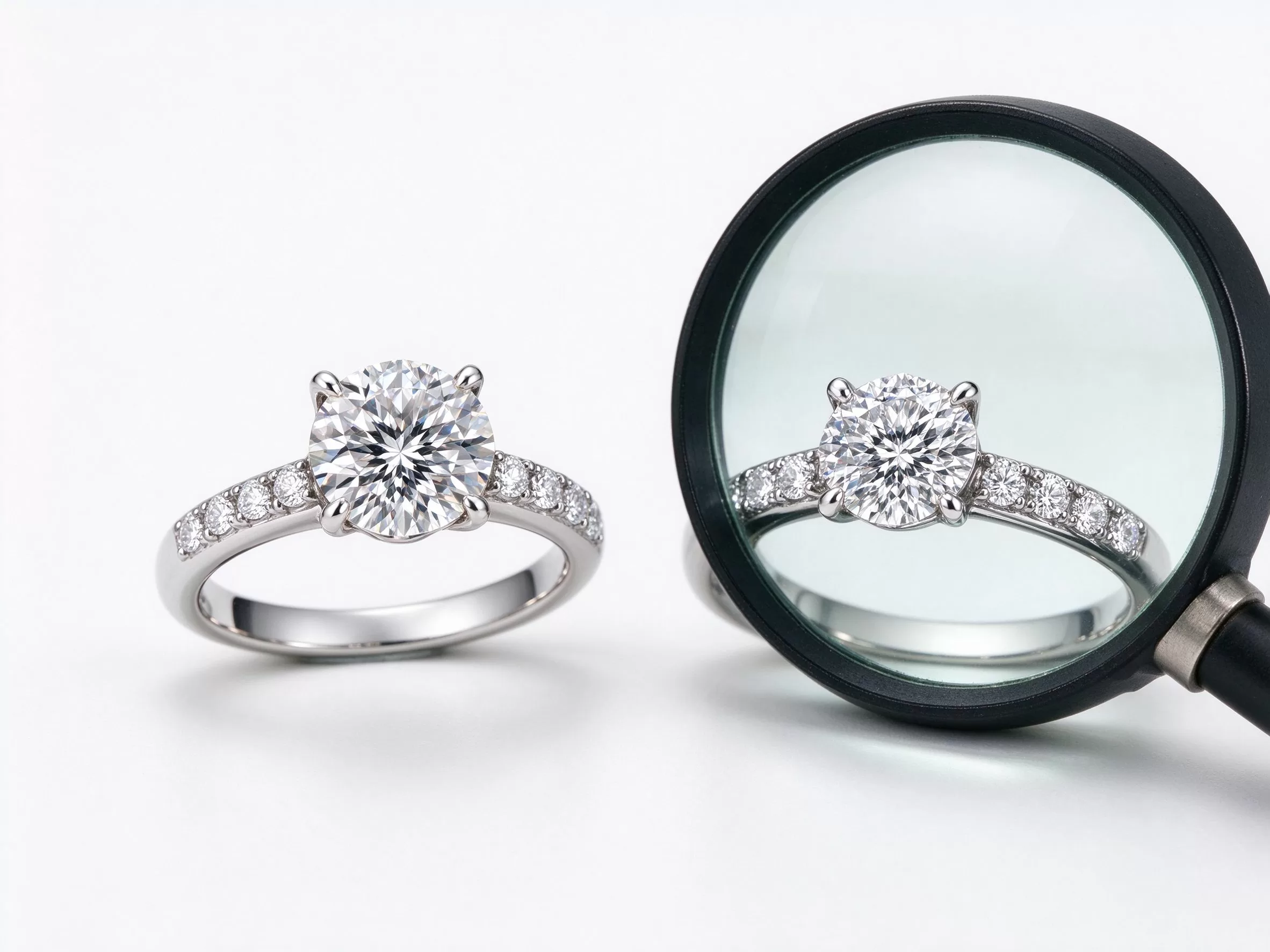
Why Incoming QC Matters for Your Small MOQ Orders When you place a single piece or a handful of custom pieces, the margin for any …

Understanding the Production Lead Time Calendar for Custom OEM and Private Label Jewelry When planning a new catalog or refreshing…
Stone Setting Durability in Wholesale Jewelry When you’re sourcing stone‑setting designs for your line, the first thing you’ll not…