An oval moissanite is not a neutral shape. The same stone, dropped into a yellow gold solitaire and dropped into a platinum solitaire, reads like two different products. One looks warm, vintage, and intentional. The other looks cool, modern, and blindingly white. Wholesale buyers who treat the oval as a single SKU and stock it only in platinum are leaving a large slice of demand on the table - and buyers who overcommit to yellow gold get stuck when a northern-U.S. client walks in expecting a white-metal look.
Why the oval amplifies metal color
Oval cuts carry a larger face-up area per carat than rounds of the same weight, which means the metal that surrounds the stone occupies more of the visual field. In a 10x12mm oval, the basket and the shank frame the stone from every angle, and the metal tone reflects off the pavilion. Yellow gold warms the whole composition; platinum pushes the stone into a cooler, brighter register. A D-F colorless oval in yellow gold can pick up a faint champagne cast from the reflected metal, while the same stone in platinum reads as a clean white.
That interaction is not a defect. It is a styling choice, and the retailers who win the oval category are the ones who stock both ends of the metal spectrum and let the customer match the ring to her existing jewelry rather than forcing a single default.
Regional demand splits in 2026
Across the buyers who reorder from MoissaWhole, a clear pattern has stabilized over the last two years:
- Yellow gold (14k and 18k): leads the South, the Mountain West, and much of the UK. Brides pairing ovals with vintage-style wedding bands almost always choose yellow gold, and the TikTok "yellow gold engagement" trend has pulled younger buyers into the same camp.
- Platinum and white gold: still the default in the Northeast, the Midwest, and much of Canada. Customers who want a diamond-equivalent look without the diamond price expect platinum-weight white metal, and they read yellow gold as "fashion" rather than "fine."
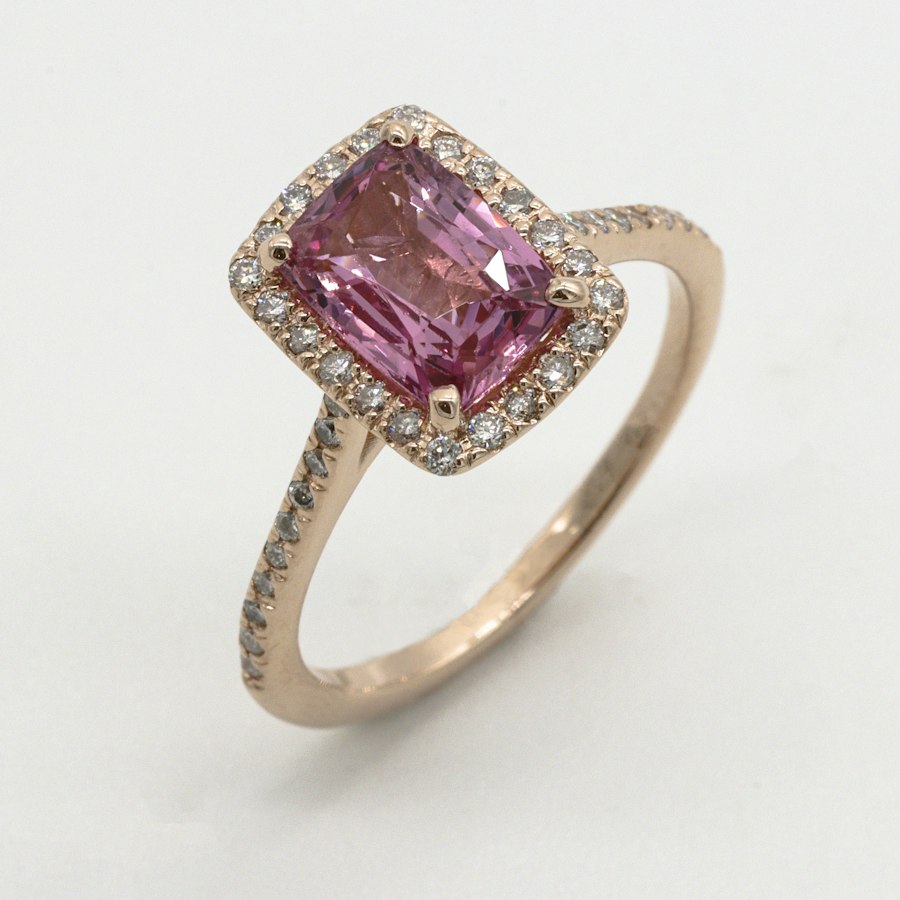
- Rose gold: smaller but consistent. Sits between the two, skews younger, and pairs especially well with smaller ovals (7x9mm and under).
How to split a first PO
A buyer entering the oval category for the first time usually has one of two instincts: stock everything in the metal they personally prefer, or hedge by going 50/50. Both miss. A better split for a first oval parcel is roughly 45 percent white metal (platinum or white gold), 40 percent yellow gold, and 15 percent rose. That matches the national U.S. average we see across our buyer base, and it leaves room to tilt the next PO toward whichever side sold through.
For loose-stone buyers who set their own mounts, the recommendation is simpler: stock near-colorless (D-E-F) ovals in a single color grade and let the metal do the styling work. An F-grade oval in yellow gold looks identical to a D-grade oval to ninety-five percent of customers, and the savings per stone can be reinvested in better melee for a halo.
The halo question
Oval moissanite halos move fastest in white metal. The contrast between a white oval and a white halo reads as one continuous bright surface, which is the look most customers search for online. Yellow-gold oval halos are a smaller, more deliberate vintage niche; they sell, but they sell slower, and they benefit from a marketing angle rather than a display-case default. Buyers entering the category should lead with a white-metal oval halo and add the yellow version as a second SKU once the first one reorders cleanly.
Pricing pressure points
Platinum mounts cost roughly 20 to 30 percent more in materials than white gold of the same weight, and that gap shows up at retail. A 9x11mm oval in platinum sits at a price point where the moissanite price advantage over diamond starts to feel small to the customer. The same stone in 14k yellow gold lands at a ticket that feels like a clear savings, and that is where the close happens fastest. Savvy retailers price the yellow-gold oval as the entry point and use the platinum version as the upgrade.
Reorder signals to watch
Three data points tell a buyer which way the local market is tilting. First, the return rate on white-metal ovals: if customers are returning rings saying "it looked warmer in the case," they want platinum, not white gold. Second, the sell-through on 18k yellow versus 14k yellow: 18k moves slower but at a higher margin, so the split matters. Third, the number of customers asking "can this be made in yellow gold?" - that question, repeated a handful of times, is the signal to widen the yellow-gold line on the next PO. Pair those signals with the oval length-width ratio guide and the stock stops being a guess.