Oval Cut Bulk Supplier: MOQ and SKU planning
Understanding MOQ for Oval Cut Bulk Orders When you plan a new line of oval cut jewelry, knowing the minimum order quantity is key…

The Oval Cut has completed its transformation from niche fancy shape to mainstream bridal staple. Industry reporting and trade publications over the past several years show elongated fancy shapes—led by ovals—capturing a substantially larger share of engagement center stones than they held a decade ago, a shift amplified by celebrity proposals and the constant visibility of Pinterest and Instagram bridal content. For wholesale buyers, this is not a curiosity; it is an inventory-planning problem with real margin consequences.
The commercial engine behind the trend is straightforward: an oval's elongated outline spreads weight across a larger face-up area than a round brilliant of equal carat weight, so a 1.50 carat oval can face up close to a 2.00 carat round in visual spread. Retail clients perceive more size per dollar, which supports trade-up behavior and keeps resale velocity strong.
Stock the right ovals and they turn quickly; stock the wrong ones—poor ratios, heavy bow ties, off-style assortments—and they sit on memo lists for months.
Wholesale sales patterns across major markets consistently show ovals between 1.00 and 2.50 carats as the fastest-turning segment, with a strong secondary market at the 3.00 carat-plus milestone tier. Below 1.00 carat, oval demand drops off sharply because the shape's core advantage—apparent size—becomes less pronounced at smaller spreads. If your resale channel is bridal-focused, weight your buying toward the 1.00–2.50 range first, then layer in 3.00+ stones for clients targeting milestone announcements.
Lab-grown ovals dominate the large-format tier. A 3.00–5.00 carat lab-grown oval is now one of the most requested center stones among younger clients, and resale channels that skip the lab-grown oval category are leaving volume on the table. Treat natural and lab-grown as separate inventory pools with separate price positioning, and label certification origin clearly on every memo to avoid downstream disputes.
Bridal resale channels absorb ovals most readily in the D–H color range with VS clarity or better. Because an elongated brilliant retains color slightly differently than a round, many buyers find G–H ovals present whiter face-up than equivalent rounds, which allows modest downward flexibility on color grades without visible compromise—especially when set in yellow or rose gold.
For clarity, ovals hide inclusions well along the elongated shoulders but expose them near the center table, so prioritize eye-clean centers over paper grades.
Ratio is the specification retail clients argue about most. The classic standard sits around 1.40, producing a balanced oval that reads as timeless. Current fashion demand has pushed many clients toward slimmer profiles in the 1.45–1.55 range, which flatter the finger and photograph well. Build a mixed inventory rather than a single-ratio position:
Record ratio on your memo paperwork. Two ovals of identical carat weight and color can differ meaningfully in value and resale appeal purely on ratio, and buyers who cannot explain this to retail clients lose the sale.
Horizontal-set ovals in solitaires and three-stone mounts are a visible trend in current bridal catalogs. Loose ovals with balanced proportions work in either orientation, but symmetry gets scrutinized even more in an east-west mount, where an uneven outline is unmasked instantly. Before committing to a horizontal-styled assortment, verify shoulder symmetry and outline consistency under 10x and face-up inspection.
Modified-brilliant and step-facet oval patterns trade some light return for a softer, vintage-inspired scintillation—popular in antique-style andemo-designs. Price and present these accurately as style stones rather than maximum-brilliance stones to avoid resale friction. Separately, warm metal pairings continue to climb: yellow and rose gold solitaires pair naturally with slightly warmer body color, giving buyers legitimate flexibility in the G–I range when the setting does part of the work.
The bow-tie effect—dark extinction across the center where facets fail to return light—is the single most common rejection reason at retail. Every oval has some degree of bow tie; the question is severity. A faint, symmetric shadow is acceptable and expected. A wide, dark, or asymmetric bow tie kills resale because the retail client sees it immediately in natural light regardless of mounting. Inspect every candidate oval under diffuse daylight, spot lighting, and office fluorescents before committing.
Document severity on your internal grading sheet and price accordingly—stones with minimal bow ties command premiums and justify them.
Symmetry matters more in ovals than in rounds because the eye follows the elongated outline. Uneven shoulders, a lopsided curve, or an asymmetrical culet position is visible face-up and downgrades resale value quickly. Check girdle thickness as well: ovals are prone to thin or knife-edge girdles at the pointed ends, which raise chipping risk during setting and daily wear.
A slightly thick-to-very-thick girdle at the tips is worth paying for; a knife edge at the head is a defect to negotiate on or walk away from.
Insist on GIA or IGI reports for stones above 0.50 carats. Certified ovals resell measurably faster because retail buyers can verify specifications without trusting the wholesaler's word. On pricing, compare per-carat rates against ratio, bow-tie severity, fluorescence, and certification status rather than carat weight alone. The table below summarizes a practical specification checklist for resale-oriented oval buying.
| Specification | Resale Target | Why It Matters |
|---|---|---|
| Carat range | 1.00–2.50 ct core; 3.00+ milestone tier | Fastest-turning bridal segments |
| Length-to-width ratio | 1.40–1.45 core; 1.50–1.55 trend stock | Drives client preference and liquidity |
| Color | D–H for bridal; G–I acceptable in warm gold | Balances face-up appearance and cost |
| Clarity | VS or better; prioritize eye-clean centers | Inclusions near center table are visible |
| Bow tie | Faint and symmetric only | Top rejection reason at retail |
| Girdle at tips | Slightly thick to very thick | Reduces chipping risk during setting and wear |
| Certification | GIA or IGI above 0.50 ct | Accelerates retail resale and trust |
Bridal retailers want certified 1.00–2.50 carat centers in D–H color, VS clarity or better, at classic ratios. These buyers move inventory predictably and reorder consistently, so prioritizing liquidity here protects your cash cycle. Offer matched side-stone parcels—pear or round brilliants—to accompany oval centers, since three-stone oval settings are a growing bridal subcategory.
Fashion and estate resellers absorb lower color grades, smaller sizes, and unconventional ratios at sharper price points. These channels tolerate more style risk in exchange for margin, making them a natural home for wide-ratio ovals, step-facet designs, and stones with minor symmetry deviations that bridal buyers reject. Document every deviation honestly; estate buyers in particular reward transparency with repeat business.
For lab-grown ovals, lead with size and value messaging: large-format centers at accessible price points are the category's entire selling proposition. Keep natural and lab-grown stock physically and administratively separated, with disclosure language on every invoice. Resale channels increasingly require documented origin, and mixing pools is the fastest way to lose a retail account.
Oval Cut demand shows no sign of cooling, and buyers who curate deliberately—rather than buying broadly—consistently outperform on resale margin. Prioritize ratio documentation, bow-tie screening under multiple light sources, tip girdle inspection, and certified stones, then match assortments to the specific resale channels you serve. Every memo should state carat, ratio, color, clarity, certification, and observed bow-tie severity, shortening your client's evaluation cycle and reinforcing your reliability as a supplier.
MOQ is 1 piece for stock styles and 30 pieces for custom work, and loose stones are sold by the carat. Sampling takes 7 to 10 days, and bulk production runs 15 to 25 days after the sample is approved. Pricing is quoted per piece or per carat depending on the item. Payment is T/T with a 30% deposit and the 70% balance before shipment, and PayPal is accepted for sample orders.
Build 60–70% of oval inventory at 1.40–1.45 for maximum liquidity with conservative bridal channels, then add 20–30% at 1.50–1.55 for trend-driven clients. A small allocation below 1.40 captures discounted wide-profile stones for fashion and estate channels.
Any bow tie that is dark, wide, or asymmetric will be flagged by retail clients and should be avoided or heavily discounted. Faint, symmetric bow ties are inherent to the shape and acceptable. Inspect under daylight, spot, and fluorescent lighting before purchase.
Yes. Large-format lab-grown ovals of 3.00 carats and above are among the most requested center stones for younger demographics. Keep them as a clearly labeled, separately priced inventory pool with full origin disclosure on all paperwork.
Require GIA or IGI reports for any oval above 0.50 carats. Certified stones resell faster because retail buyers can independently verify carat, color, clarity, and cut specifications.
Browse our current inventory analysis and market notes in our latest diamond market articles, learn more about our company and sourcing standards, or contact our sales team to request an oval memo tailored to your resale channel.
Sources: Grading references: GIA gem education and GIA laboratory information.
MOQ is 1 stone for samples. Bulk orders are priced by quantity tier; send your cut, carat, color and clarity requirements and we will return a wholesale quotation.
Sample stones ship within 7-14 days. Bulk production lead time is 15-25 days after deposit confirmation; international delivery after dispatch typically takes 3-10 business days depending on destination.
Prices are quoted per carat in US dollars with tiered wholesale pricing. We accept T/T (30% deposit, balance before shipment), PayPal and Western Union for sample and small orders.
Looking for loose stones or a custom cut? Talk to the factory directly.
Send InquiryWritten by the Holycome manufacturing & quality team. Every figure and claim in this article comes from our own production floor in Wuzhou, China — in-house casting, stone setting and a three-pass quality inspection we have run since 2008.
Materials are tested for nickel, lead and cadmium release by SGS and CTT International; moissanite centre stones ship with their GRA warranty card and report. We also hold an independent SMETA / Sedex ethical-trade audit and a Hong Kong Customs AML registration.
Reviewed for accuracy by our quality team before publication. Last updated .
Written by the Holycome manufacturing & quality team. Every figure and claim in this article comes from our own production floor in Wuzhou, China — in-house casting, stone setting and a three-pass quality inspection we have run since 2008.
Materials are tested for nickel, lead and cadmium release by SGS and CTT International; moissanite centre stones ship with their GRA warranty card and report. We also hold an independent SMETA / Sedex ethical-trade audit and a Hong Kong Customs AML registration.
Reviewed for accuracy by our quality team before publication. Last updated .

Understanding MOQ for Oval Cut Bulk Orders When you plan a new line of oval cut jewelry, knowing the minimum order quantity is key…
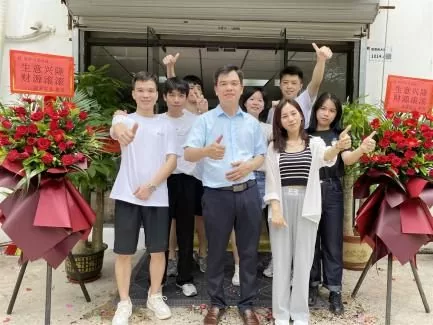
Understanding the Oval Cut Process at HolyCome Our oval cuts are crafted by hand on our own setting and polishing lines. Because t…

Understanding Incoming QC for Oval Cut Jewelry When we receive raw oval stones, our first check focuses on shape integrity, edge p…
Why Stone Setting Durability Matters for Oval Cut Jewelry When you select an oval cut for your private label line, the setting is …
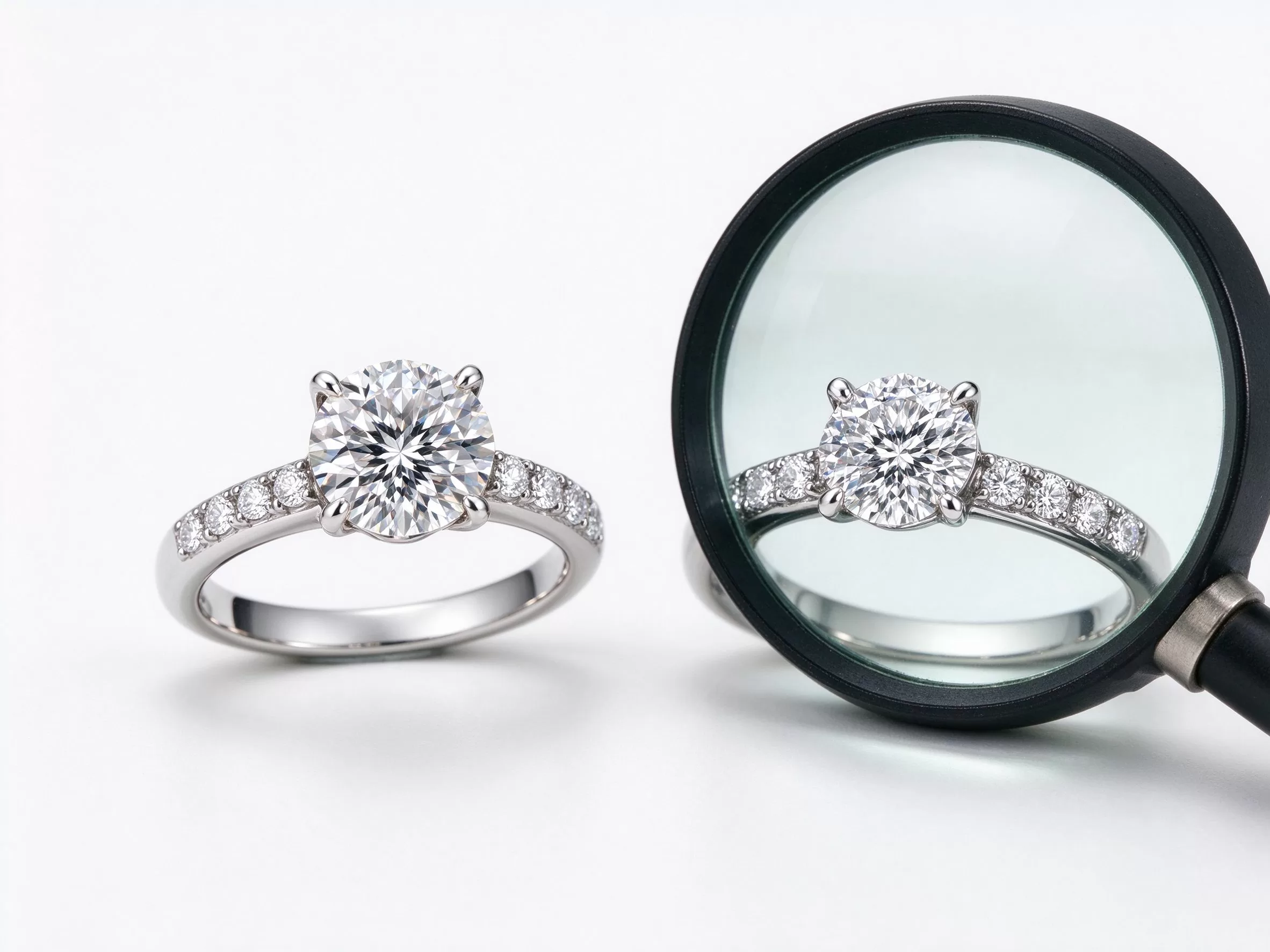
Understanding Plating Thickness in Oval Cut Jewelry The thickness of the metal plating on an oval cut piece is a critical factor t…