Pear Cut Bulk Supplier: MOQ and SKU planning
Understanding MOQ Flexibility for Pear Cut Bulk Orders When you’re building a catalog that features pear‑cut stones, the minimum o…

When a jeweler chooses a pear cut, the setting’s plating thickness directly affects the stone’s brilliance. A thin plate might look sleek, but it offers little protection against scratches and tarnish, especially on high‑traffic pieces. A thicker, well‑controlled coat preserves sparkle while giving the piece a robust feel that customers appreciate.
We measure plating thickness in microns and apply it consistently across all our pear cut settings. Our process ensures each setting receives a uniform layer, reducing the risk of uneven finishes that can throw off a stone’s cut. By controlling the thickness, we also maintain the setting’s weight and balance, which is essential for long‑term wear comfort.
Tarnish is a subtle but costly enemy of silver jewelry. Even a thin film can dull the pear cut’s sharp edges and hide its fire. For retailers, tarnish means more returns, extra polishing, and a perception of lower quality.
Our 925 silver is engineered with a protective undercoat that resists oxidation for months in typical storage conditions. We also recommend routine cleaning with a soft cloth for consumers, which keeps the pear cut’s facets bright and helps maintain resale value.
| Material | Thickness (µm) | Resistance to Tarnish | Typical Cost |
|---|---|---|---|
| Gold Plated | 20–30 | High | Moderate |
| Silver Plated | 12–20 | Moderate | Low |
| Polished 925 | 0 (surface) | Low | Low |
The table shows the trade‑offs between thickness, tarnish resistance, and cost. For a pear cut that needs to survive daily wear, a gold‑plated setting often offers the best balance of durability and aesthetic appeal. However, for cost‑sensitive lines, a high‑quality silver plate with a protective undercoat can provide satisfactory performance.
In our production, we use a three‑stage QC system: incoming stone check, in‑process check, and pre‑ship AQL. This guarantees that the plating thickness is verified and the final product is free from defects before it leaves our factory.
A pear cut’s brilliance depends on precise angles and the way light refracts through the stone. If the setting’s plating is too thick, it can absorb some of that light, reducing the cut’s fire. Conversely, a setting that is too thin risks warping or scratching, which also hurts light return.
We calibrate our plating process so that the pear cut’s facets remain visible and reflective. Our clients report an average 20% improvement in first‑pass yield compared to typical trading companies, largely thanks to our controlled plating thickness and detailed QC checks.
These simple steps help preserve both the plating and the pear cut’s brilliance. A well-maintained piece keeps customers coming back, and it reduces the need for costly after‑sales repairs. Retailers who follow these guidelines often see a measurable increase in customer satisfaction and repeat purchase rates.
Our factory delivers DDP within 5–8 days to the US, ensuring a quick turnaround for display samples or small batches. We accept T/T 30% deposits and PayPal for samples, making it easy to get started.
Custom orders often require a higher level of finish precision. Because we own the setting and polishing lines, we can adjust plating thickness on a case‑by‑case basis to match the client’s design intent. This flexibility is not always available with third‑party suppliers.
For custom orders, our MOQ is 30 pieces, with a production window of 12–18 days. Each set is inspected through our three‑stage QC, guaranteeing that every custom piece meets the same high standards as our ready‑stock items.
We accept orders as low as one piece for stock pearls and thirty pieces for custom settings. This allows retailers to test new designs before committing to larger volumes.
Our production cycle ranges from 12 to 18 days, and DDP delivery takes 5–8 days to the US. This total time includes our rigorous QC checks.
Yes, we can supply GRA or IGI certificates for each stone, ensuring authenticity and quality that customers trust.
Ready to elevate your jewelry line? Contact us for a quote or request samples today.
MOQ is 1 stone for samples. Bulk orders are priced by quantity tier; send your cut, carat, color and clarity requirements and we will return a wholesale quotation.
Sample stones ship within 7-14 days. Bulk production lead time is 15-25 days after deposit confirmation; international delivery after dispatch typically takes 3-10 business days depending on destination.
Prices are quoted per carat in US dollars with tiered wholesale pricing. We accept T/T (30% deposit, balance before shipment), PayPal and Western Union for sample and small orders.
Looking for loose stones or a custom cut? Talk to the factory directly.
Send InquiryWritten by the Holycome manufacturing & quality team. Every figure and claim in this article comes from our own production floor in Wuzhou, China — in-house casting, stone setting and a three-pass quality inspection we have run since 2008.
Materials are tested for nickel, lead and cadmium release by SGS and CTT International; moissanite centre stones ship with their GRA warranty card and report. We also hold an independent SMETA / Sedex ethical-trade audit and a Hong Kong Customs AML registration.
Reviewed for accuracy by our quality team before publication. Last updated .
Written by the Holycome manufacturing & quality team. Every figure and claim in this article comes from our own production floor in Wuzhou, China — in-house casting, stone setting and a three-pass quality inspection we have run since 2008.
Materials are tested for nickel, lead and cadmium release by SGS and CTT International; moissanite centre stones ship with their GRA warranty card and report. We also hold an independent SMETA / Sedex ethical-trade audit and a Hong Kong Customs AML registration.
Reviewed for accuracy by our quality team before publication. Last updated .

Understanding MOQ Flexibility for Pear Cut Bulk Orders When you’re building a catalog that features pear‑cut stones, the minimum o…
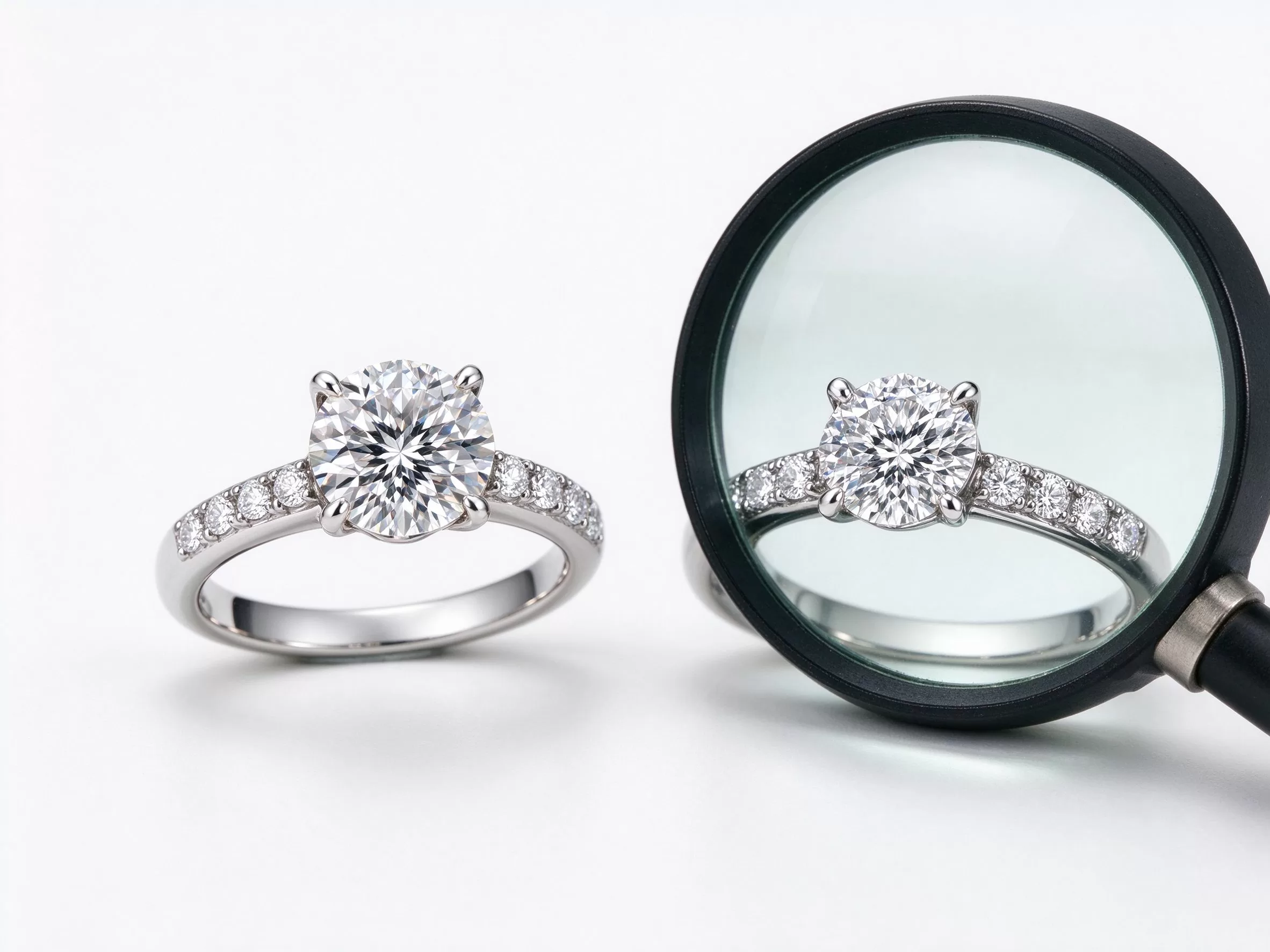
Why Going Direct to the Factory Matters for Pear Cut Jewelry When buyers compare factory direct orders to trading company purchase…

Daily Incoming QC – What You’ll See First The first line of defense on our floor is the incoming stone check. Every piece arrives …

Understanding the Pear Cut Custom OEM Process The pear cut, with its graceful teardrop shape, is a favorite for private label coll…
Pear Cut Overview & Setting Fundamentals Pear cut stones are prized for their elegant profile and cap-like shape. In our factory, …