Rings for Online Store Owners: certificate verification
Why Certificate Verification Matters for Your Online Jewelers When you source rings from overseas, buyers expect proof that each b…
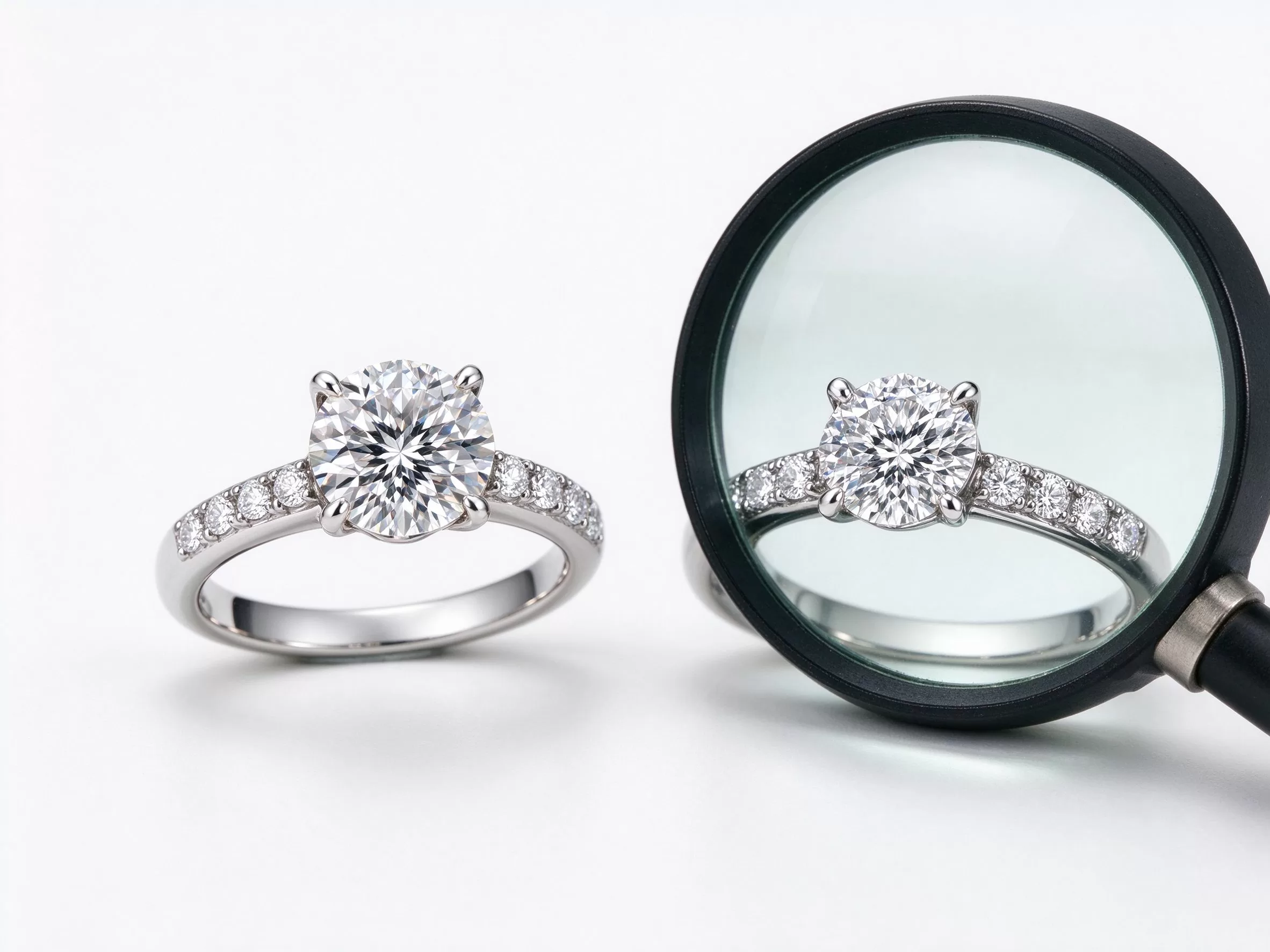
When you’re buying rings for boutique retailers, the first thing that matters isn’t the sparkle, but the price structure. We work on a base cost that is fixed, but the margin can shift with volume, set‑up time, and the quality tier you choose. Because we own the setting and polishing lines, our base cost is already lean, giving you a built‑in negotiation advantage. The more you order, the more we can reduce the unit price without sacrificing yield.
We keep the MOQ low: a single piece for stock listings and 30 pieces for custom orders. That means you can test a new line with minimal risk. Once the ring proves popular, scaling up will automatically bring your per‑unit cost down because the tool wear and labor stages are amortized. Just remember that larger orders also shorten lead time, which can be a bonus if you need to meet a seasonal launch.
Our production window is 12‑18 days from receipt of the deposit. That includes setting, polishing, and the three‑stage QC checks—incoming stone, in‑process, and pre‑ship AQL. If you need the ring quicker, we can push to 10 days but the unit price will increase slightly because the labor is front‑loaded. For most boutique calendars, the 12‑day window is ideal because it lets you stock ahead of peak seasons.
We also offer DDP delivery to the U.S. in 5‑8 days once the ring leaves the factory. That speed means you can replenish inventory faster than competitors who rely on third‑party logistics. The quicker your stock turns over, the tighter your working capital, which is a silent levers in price negotiation.
| Quality Tier | Stone | Setting Material | Price Per Unit |
|---|---|---|---|
| Standard | Moissanite 6Cs | 925 Silver | $45 |
| Premium | IGI‑Certified Moissanite 8Cs | 18K Gold | $75 |
| Luxury | GRA‑Certified Moissanite 10Cs | 8K/10K White Gold | $110 |
Notice the price jumps with higher certification and setting. The same stone can be offered across tiers; the only difference is the final polish and the type of metal. Negotiating on certification is common: if you can accept a GRA‑certified stone instead of IGI, the price drops by roughly 10–15%. That’s a significant margin saver.
We also provide the option to choose a pre‑polished setting from our in‑house mill. This eliminates the need for a separate set‑up and reduces the unit cost by a small margin. For boutique buyers who want to brand the rings, the setting customization is the last line of negotiation you can take advantage of.
In the U.S. market we set a baseline that reflects local freight and taxes. In the EU, we factor in customs duties and VAT, which can add 10–15% to the landed cost. If you’re a boutique in France, for instance, the same ring might cost $70 U.S. and $80 EU. Tailoring your sourcing to the target market can unlock better unit prices.
We share real‑time cost dashboards with our buyers. By viewing the live cost of each component—stone, metal, labor—you can see exactly where the price jumps. That transparency lets you negotiate with substance rather than guesswork. If you find the metal cost is high, we can propose an alternative metal or a different finish to keep the price down.
We usually ask for a 30% T/T down‑payment before production begins. That covers initial material purchases. The remaining 70% is due upon shipment. Some buyers prefer to pay via PayPal for samples; we accept that only for the first sample order of less than 10 pieces. This arrangement reduces the financial exposure for both sides.
Because our first‑pass yield is about 20% higher than typical trading firms, we can pass the savings on to you. That means you can price your rings competitively while keeping healthy margins. We also provide GRA or IGI certificates to add credibility, which can justify a higher retail price.
When you present a product line to your boutique clients, highlight the unique selling points: certified quality, lower lead times, and the ability to customize. Those features translate into a higher perceived value, allowing you to negotiate a premium while still staying below the competition’s cost base.
We require a minimum of one piece for stock and 30 pieces for custom orders, which helps keep the unit cost low during initial runs.
Shorter lead times reduce your inventory carrying cost, so you can offer more competitive prices to your customers while maintaining margin.
MOQ is 1 stone for samples. Bulk orders are priced by quantity tier; send your cut, carat, color and clarity requirements and we will return a wholesale quotation.
Sample stones ship within 7-14 days. Bulk production lead time is 15-25 days after deposit confirmation; international delivery after dispatch typically takes 3-10 business days depending on destination.
Prices are quoted per carat in US dollars with tiered wholesale pricing. We accept T/T (30% deposit, balance before shipment), PayPal and Western Union for sample and small orders.
Looking for loose stones or a custom cut? Talk to the factory directly.
Send InquiryWritten by the Holycome manufacturing & quality team. Every figure and claim in this article comes from our own production floor in Wuzhou, China — in-house casting, stone setting and a three-pass quality inspection we have run since 2008.
Materials are tested for nickel, lead and cadmium release by SGS and CTT International; moissanite centre stones ship with their GRA warranty card and report. We also hold an independent SMETA / Sedex ethical-trade audit and a Hong Kong Customs AML registration.
Reviewed for accuracy by our quality team before publication. Last updated .
Written by the Holycome manufacturing & quality team. Every figure and claim in this article comes from our own production floor in Wuzhou, China — in-house casting, stone setting and a three-pass quality inspection we have run since 2008.
Materials are tested for nickel, lead and cadmium release by SGS and CTT International; moissanite centre stones ship with their GRA warranty card and report. We also hold an independent SMETA / Sedex ethical-trade audit and a Hong Kong Customs AML registration.
Reviewed for accuracy by our quality team before publication. Last updated .

Why Certificate Verification Matters for Your Online Jewelers When you source rings from overseas, buyers expect proof that each b…

Why Certificate Verification Matters for Your Online Jewelers When you source rings from overseas, buyers expect proof that each b…
Why Return Rates Matter for Your Online Store When you stock rings from a lab‑grown diamond supplier, every return or repair inqui…
Why Certificate Verification Matters for Your Online Jewelers When you source rings from overseas, buyers expect proof that each b…
Why Certificate Verification Matters for Your Online Jewelers When you source rings from overseas, buyers expect proof that each b…