Marquise Cut Bulk Supplier: MOQ and SKU planning
Understanding MOQ for Marquise Bulk Orders When you first browse our marquise cut bulk catalogue, the minimum order quantity (MOQ)…
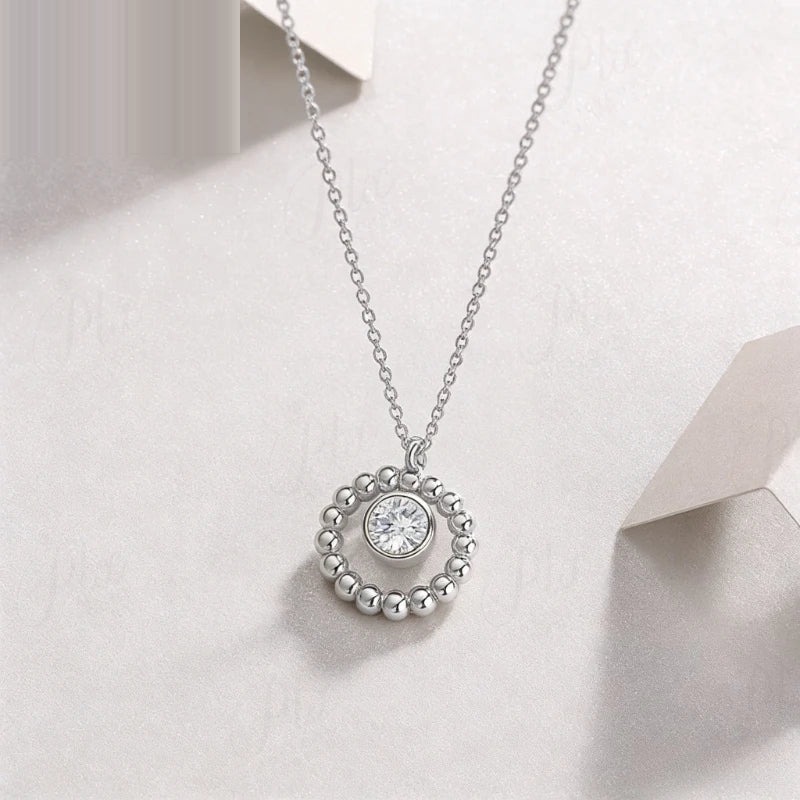
For Wholesale Tips wholesale, compliance means three things at once: nickel and lead release inside the US and EU limits, a stamp and assay trail your retail buyer can defend, and a stone certificate that matches the piece in the tray. Buyers who treat compliance as paperwork after the run are the ones who get stopped at customs, or returned by a chain store.
The first gate is the alloy. For Wholesale Tips in 925 sterling silver, nickel release must sit below 0.5 microgram per square centimetre per week; in plated pieces the barrier between the base alloy and the skin must survive daily wear. The second gate is the stone: a moissanite Wholesale Tips needs a GRA-equivalent report, a lab-grown diamond Wholesale Tips needs IGI or GIA, and the report number must match the laser on the stone.
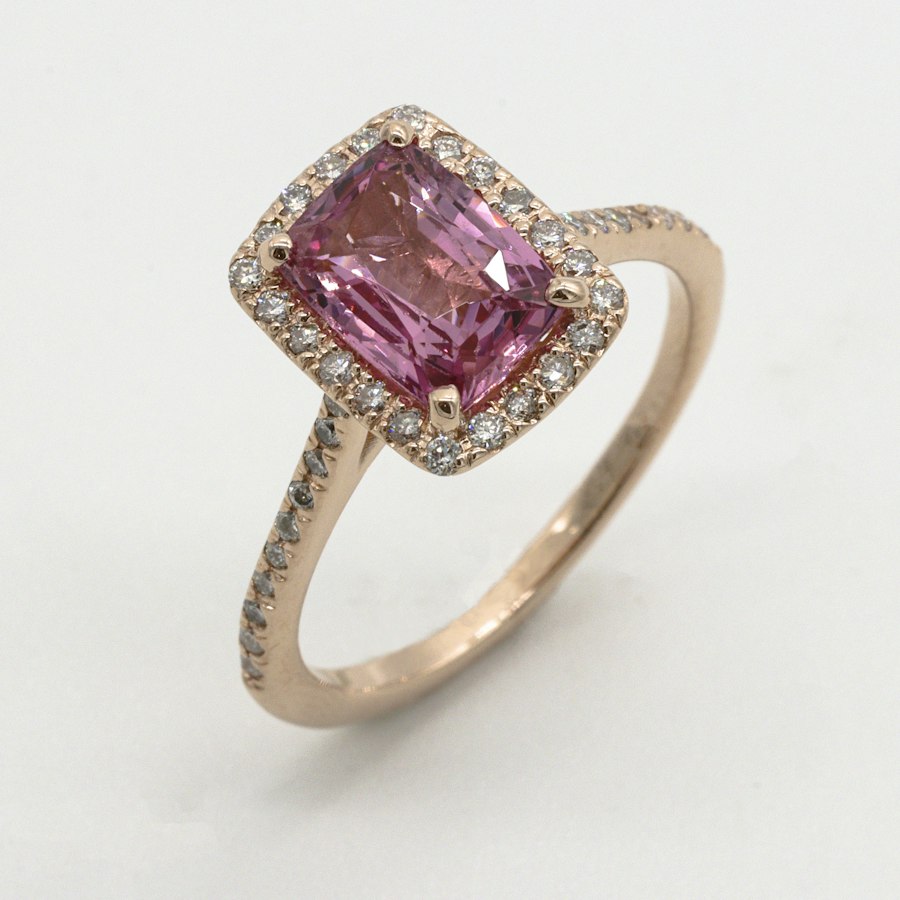
The third gate is the paper trail. Each Wholesale Tips carton carries the invoice declaration, the assay stamp and the stone report; customs or a chain-store buyer should be able to match the piece, the stamp and the report without a phone call. If a supplier cannot produce these three gates before bulk, the price of the Wholesale Tips is irrelevant.
Re-testing a Wholesale Tips run is not about paperwork; it is about catching an alloy change before it reaches a retail store. A factory that swaps a supplier to save three percent on silver cost will quietly reuse your existing test certificate unless you require a fresh sample each lot.
Run the checklist in order. First, ask for the nickel and lead test on the exact alloy used for this Wholesale Tips, not a generic report from a different line. Second, ask for the assay reading on the stamp: 925 silver, 10K or 14K gold, measured weight and fineness. Third, ask for the stone report and verify the number online.
Fourth, confirm the plating thickness on the Wholesale Tips — a thin 0.03 micron plating tarnishes in weeks, while a proper rhodium or palladium flash runs 0.20 micron. Fifth, check the country of origin statement on the commercial invoice. Sixth, ask how often the alloy lot is re-tested when the supplier changes. Seventh, keep the approved first article for six months after every Wholesale Tips run.
The stone report on a Wholesale Tips piece should match the laser on the stone, not just the box. Ask the supplier to photograph the stone with the report number beside it; this single step stops the common practice of shipping lower-grade stones under a better certificate.
Use this scorecard on every Wholesale Tips supplier. Mark Pass, Verify or Reject. Three Rejects means walk away, no matter the piece price.
| What to ask | Pass | Verify | Reject |
|---|---|---|---|
| Nickel release report | Third-party, this alloy | Lab report + assay | Generic or different alloy |
| Stamp and assay | 925/10K/14K, measured | Assay on request | Stamp only, no assay |
| Stone certificate | GRA/IGI/GIA, verifiable | Laser matches report | No number online |
| Plating thickness | 0.20 micron flash | Written quote | No plating line |
Plating thickness is the most under-inspected compliance item on Wholesale Tips. A 0.03 micron flash looks perfect at sample approval and tarnishes in six weeks. A 0.20 micron rhodium or palladium flash costs cents more per piece and survives the retail shelf.
Four red flags. First, a supplier who offers the compliance report after you order, not before. Second, a report that lists a different alloy, a different factory or a different piece than the Wholesale Tips on the quote. Third, a stone report with no verifiable number online. Fourth, a refusal to show the plating bath thickness in writing.
If any of these appears on a Wholesale Tips quote, assume the price is hiding the re-test cost. Move the compliance line into the quote, in writing, before you commit a deposit.
Country of origin on a Wholesale Tips invoice must match where the piece was actually finished. If the casting happened in one country and setting in another, say so; US customs and EU buyers increasingly audit the finishing country, not the raw material source.
Real numbers. A nickel and lead third-party test runs USD 80 to USD 150 per alloy, amortised over a 500-piece Wholesale Tips run. A GRA stone report runs USD 3 to USD 6 per stone. A 0.20 micron rhodium flash adds roughly USD 0.5 to USD 1.2 per piece versus a 0.03 micron flash.
Across a 300-piece Wholesale Tips order, a fully compliant piece costs USD 2 to USD 4 more than a bare one. The return rate from a tarnished or mis-stamped piece, once a retail buyer notices, is the whole order.
Keep the compliance file per Wholesale Tips design, not per order. When you reorder six months later, the alloy and stone reports carry over only if the bath and stone lot have not changed. A two-page file per design saves days on a repeat inspection.
At 50 Wholesale Tips pieces, compliance is a sample check. At 500, it is a system: a fresh alloy sample per lot, a stone report per color, and a QC bench that logs prong and stamp readings. The marginal cost of compliance per Wholesale Tips piece actually falls as the run grows.
Buyers who scale Wholesale Tips without scaling compliance discover the issue at the retail chain audit. That conversation costs more than the compliance line would have across the entire year of orders.
Picture a US boutique buyer who opens a 300-piece Wholesale Tips tray. The first thing they check is the stamp on a random piece, then the stone report on a random stone, then the plating under a loop. If all three pass, they reorder. If any one fails, the whole tray goes back and the buyer moves to the next factory. Compliance on Wholesale Tips is the difference between a one-time order and a standing line.
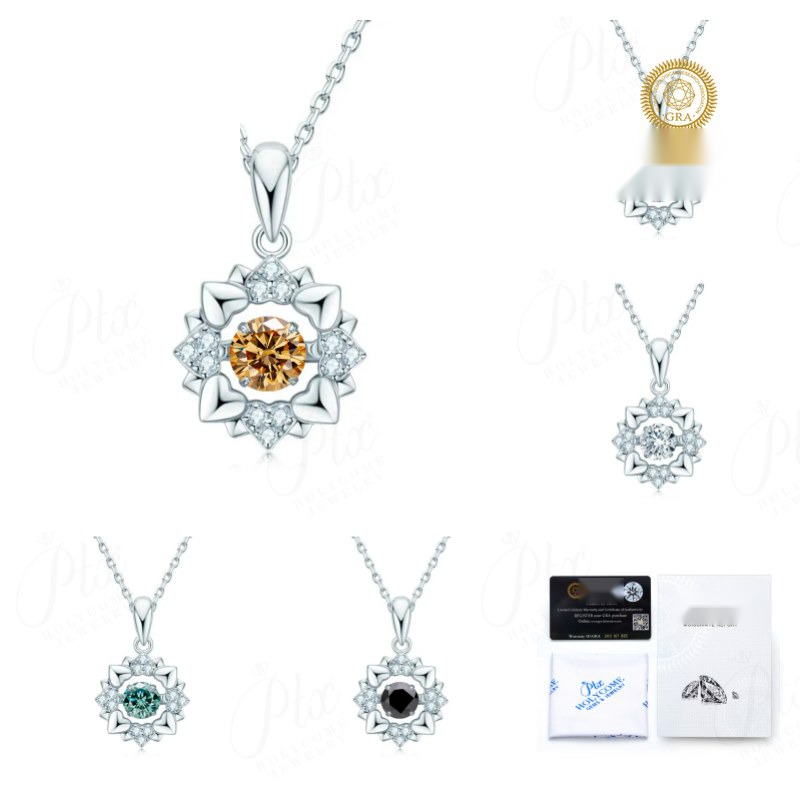
Ask for a third-party nickel and lead report covering the actual alloy used on Wholesale Tips, a stamped hallmark (925, 10K, 14K) verified by assay, and a stone report (GRA for moissanite, IGI or GIA for lab-grown diamond). In-house lab reports are useful for production control, but chain-store buyers will ask for the third-party one. Send us the Wholesale Tips design and metal, and we return the compliance file before bulk.
No. Nickel-free on Wholesale Tips means nickel release below 0.5 microgram per square centimetre per week under EN 1811; hypoallergenic is a marketing claim with no legal definition. Use the nickel-release number on your Wholesale Tips listing, not the word. Send us the Wholesale Tips design and metal, and we return the compliance file before bulk.
Whoever misdeclared it. If the alloy, stone treatment or country of origin on the Wholesale Tips invoice does not match the goods, the importer pays storage, re-testing and possibly destruction. Build the customs file before the bulk run, not after the vessel docks. Send us the Wholesale Tips design and metal, and we return the compliance file before bulk.
A GRA or equivalent stone report costs a few US dollars per stone and is included in most moissanite Wholesale Tips quotes. What you pay extra for is the matching physical laser inscription and a report number that can be verified online. Send us the Wholesale Tips design and metal, and we return the compliance file before bulk.
First article, pre-production, and final bulk. If the alloy, supplier or plating bath changes, treat it as a new product and re-run the nickel and lead tests before stocking Wholesale Tips in a retail store. Send us the Wholesale Tips design and metal, and we return the compliance file before bulk.
Compliance on Wholesale Tips is not a cost center; it is the reason a retail buyer reorders. A piece that arrives with a wrong stamp, a thin plate or an unverifiable stone certificate costs the buyer more than the piece itself.
Send us the Wholesale Tips design, the metal and the stone type, and we return the nickel and lead report, the assay reading and the stone certificate for approval before bulk. The compliance line is itemised on the quote, in writing.
HOLYCOME, the export brand of Wuzhou HengliLai Jewelry Co., Ltd., has made moissanite and sterling silver jewelry in Wuzhou, Guangxi since 2009, at roughly 60,000 pieces a month. Every Wholesale Tips run leaves the bench with the assay, the stone report and the nickel release reading attached to the batch file. Reach the trade desk at service@holycome.com or WhatsApp +86 133 7744 7107.
Since 2009, HOLYCOME has run the compliance file for every Wholesale Tips order leaving our Wuzhou bench: assay, stone report, nickel reading, and a photo of the approved first article. That file is why US boutiques and Amazon private-label sellers reorder Wholesale Tips with us instead of negotiating it from scratch every season. Ask for the file with your sample.
The compliance bar for Wholesale Tips wholesale is simple in principle but strict in practice: third-party nickel and lead on the actual alloy, an assay-verified stamp, a verifiable stone certificate, and a written plating thickness. Get those four on the quote before deposit, and your Wholesale Tips order arrives sellable, not held.
Send us your Wholesale Tips design and the target metal. We return the compliance file, the assay reading and the stone certificate for approval before bulk, with MOQ 50 per design and sample in three to five days.
MOQ is 1 stone for samples. Bulk orders are priced by quantity tier; send your cut, carat, color and clarity requirements and we will return a wholesale quotation.
Sample stones ship within 7-14 days. Bulk production lead time is 15-25 days after deposit confirmation; international delivery after dispatch typically takes 3-10 business days depending on destination.
Prices are quoted per carat in US dollars with tiered wholesale pricing. We accept T/T (30% deposit, balance before shipment), PayPal and Western Union for sample and small orders.
Looking for loose stones or a custom cut? Talk to the factory directly.
Send InquiryWritten by the Holycome manufacturing & quality team. Every figure and claim in this article comes from our own production floor in Wuzhou, China — in-house casting, stone setting and a three-pass quality inspection we have run since 2008.
Materials are tested for nickel, lead and cadmium release by SGS and CTT International; moissanite centre stones ship with their GRA warranty card and report. We also hold an independent SMETA / Sedex ethical-trade audit and a Hong Kong Customs AML registration.
Reviewed for accuracy by our quality team before publication. Last updated .
Written by the Holycome manufacturing & quality team. Every figure and claim in this article comes from our own production floor in Wuzhou, China — in-house casting, stone setting and a three-pass quality inspection we have run since 2008.
Materials are tested for nickel, lead and cadmium release by SGS and CTT International; moissanite centre stones ship with their GRA warranty card and report. We also hold an independent SMETA / Sedex ethical-trade audit and a Hong Kong Customs AML registration.
Reviewed for accuracy by our quality team before publication. Last updated .
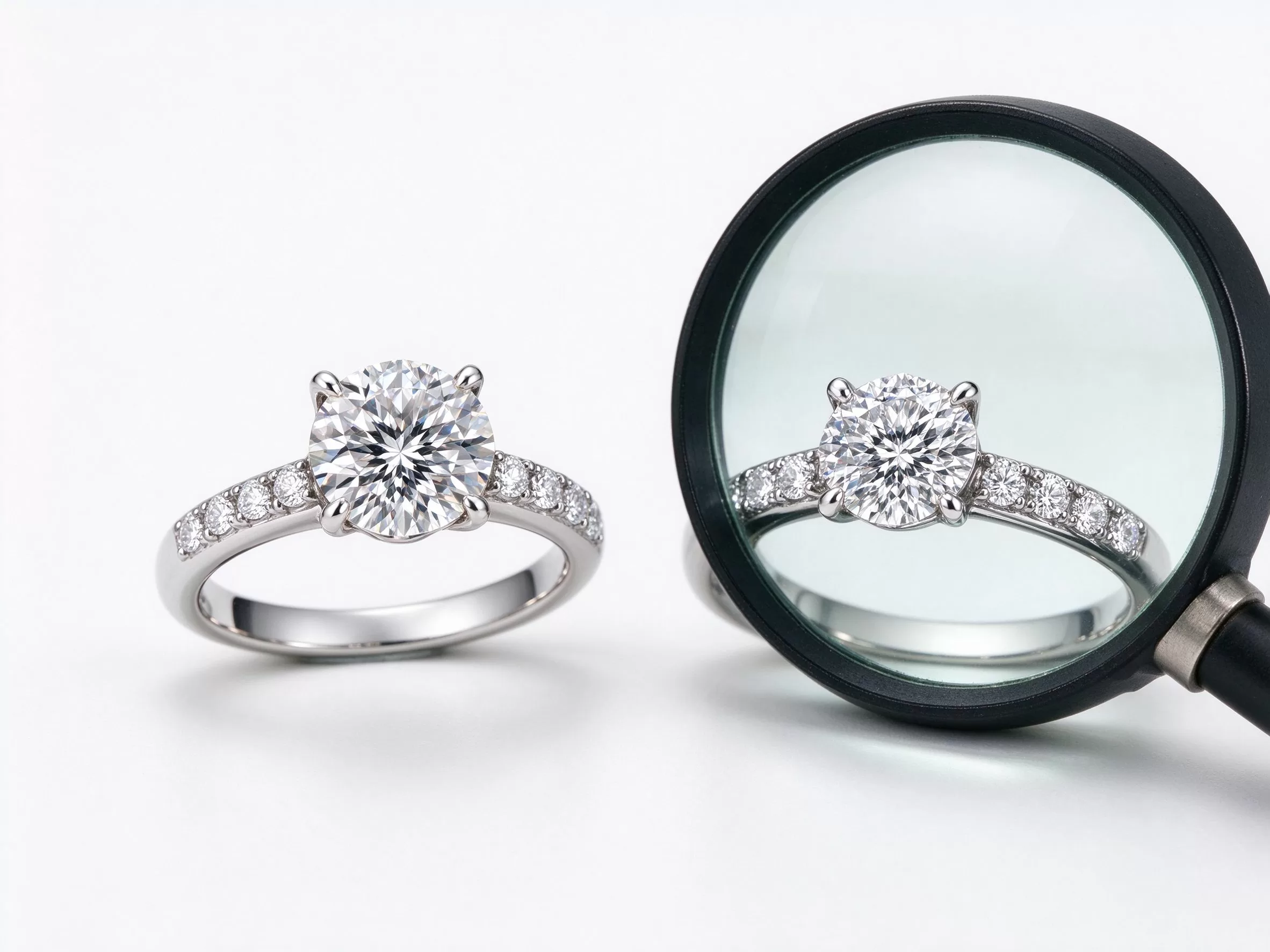
Understanding MOQ for Marquise Bulk Orders When you first browse our marquise cut bulk catalogue, the minimum order quantity (MOQ)…

Why a Marquise Cut Factory Direct Edge Beats Trading Companies When you buy marquise cut stones from a factory like HolyCome, you …

What Comes First: Incoming Stone Inspection The first checkpoint is the incoming stone check. Every marquise cut, whether a single…

Why Plating Thickness Matters for Marquise Cut OEM When you order marquise cut pieces, the silver or gold plating thickness is a k…

Understanding Stone Setting Durability for Marquise Cut Stones When you’re sourcing marquise cut gems wholesale, the durability of…