Once a retailer is moving ovals regularly, the next step is buying by the parcel rather than stone by stone. A parcel of twenty ovals costs less per stone than twenty single orders, and it gives you the depth to match pairs and build rings. It also exposes you to a problem that single orders hide: consistency. Two ovals from different rough can look like different products when they sit side by side. Buying a parcel is a bet that the parcel is consistent, and that bet needs a checklist.
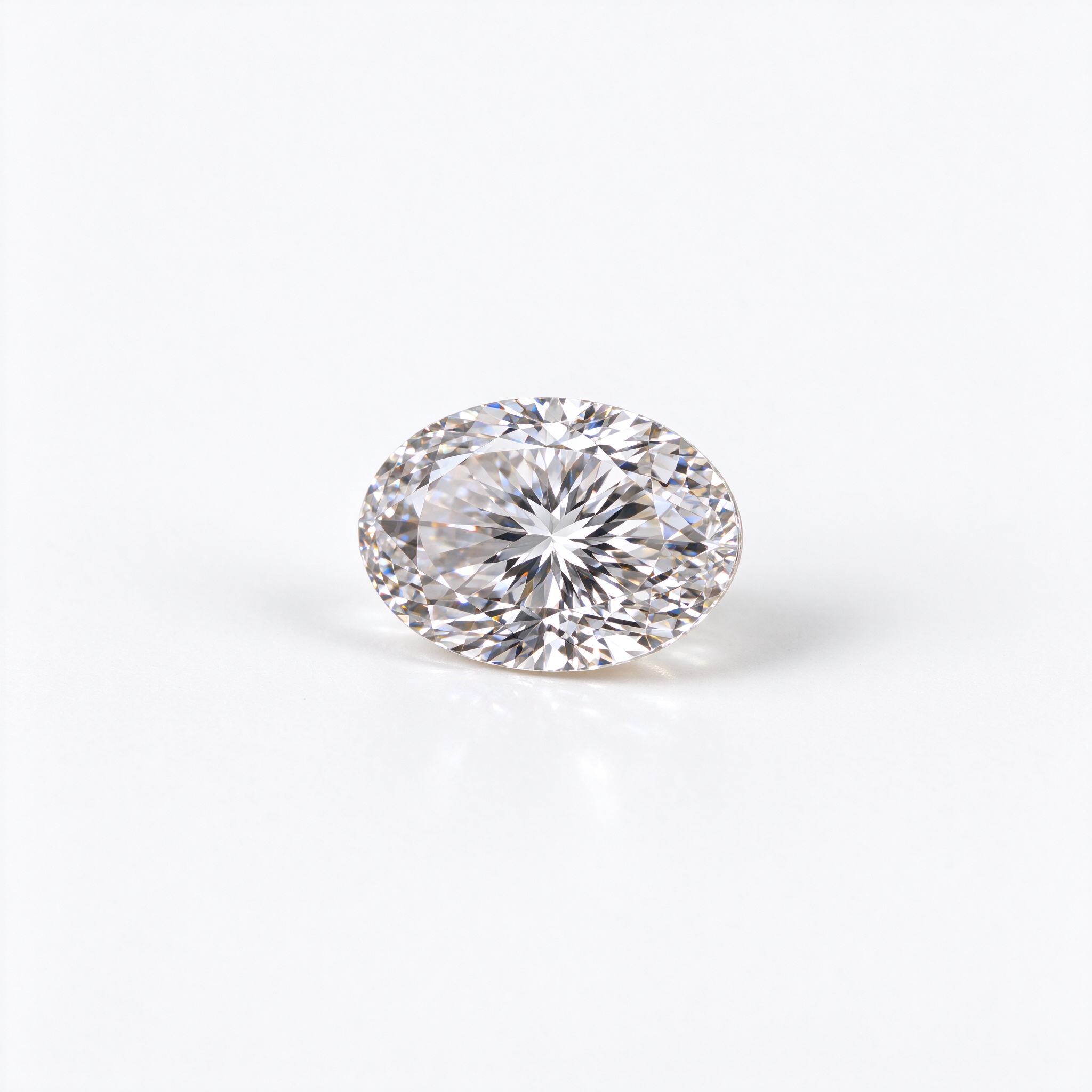
What a parcel actually is
A parcel is a batch of ovals cut from the same rough lot and graded to a single spec: D-F color, VVS1 clarity, a stated ratio band, and a size range. We sell oval parcels in 10-, 20- and 50-stone packs. The size range inside a pack is narrow; a 20-stone 8x10 parcel contains stones from 7.9x9.9 to 8.1x10.1, not a mix of 7x9 and 9x11.
Parcel tiers and wholesale cost
| Parcel | Size range | Stones | Per-stone band (USD, D-F VVS1) | Use case |
|---|---|---|---|---|
| Starter | 6x8 | 10 | $20 - $26 | rings and small pendants |
| Standard | 7x9 | 20 | $34 - $42 | mainstream ring line |
| Premium | 8x10 | 20 | $50 - $62 | engagement rings |
| Statement | 9x11 | 10 | $85 - $105 | made-to-order rings |
| Mixed earring | 6x8, matched pairs | 20 (10 pairs) | $22 - $28 each | drop earring line |
Face-up consistency: the real risk
The certificate grades each stone individually, but the customer compares them across the tray. Three things vary inside a parcel even when the paper says identical: bow-tie severity, body tone, and ratio. We face-up grade every parcel under diffuse light and sort stones into a "clean center" bin and a "faint bow-tie" bin before packing. When you receive a parcel, spread the stones on a white tray under a daylight lamp and compare them directly. Any stone that reads darker or grayer than the group is the one that will come back as a single return.
- Bow-tie severity varies even within a graded parcel.
- Body tone shifts between stones cut from different rough.
- Ratio drifts slightly; sort it on arrival.
- One outlier on the tray is the return, not the group.
Same-parcel matching
If you are buying for earrings, ask for matched pairs pulled from the same parcel. We pair ovals to within 0.1mm on each dimension and match the ratio and the bow-tie level. Pairs pulled randomly from a parcel can hang at slightly different angles on the ear wire, and the difference is visible once worn. The 10-pair earring parcel above is pre-matched; do not split it for single-stone sales.
Ratio discipline
Decide before ordering which ratio band you stock. A parcel that mixes 1.30:1 and 1.55:1 ovals gives you two products under one SKU, and your product photography will not match the stone on the customer's finger. We stock parcels in a single ratio band, 1.45:1 to 1.55:1, which is the mainstream oval. If you want slung 1.60:1 stones, order them as a separate parcel.
Reordering a parcel
When a parcel sells out, reorder it with the same spec note. Cutting from new rough will shift the face-up tone slightly, and a customer who bought from the first parcel and returns for a pendant will notice. Keep a sample stone from each parcel on a card; match the new order to that card before approving the cutting.
Storage and rotation
A parcel sitting in a drawer does not earn its keep. Store the opened parcel in a divided tray, one stone per compartment, so the ovals do not knock their girdles together. Rotate the stock: sell the oldest parcel first, because face-up tone drifts between cutting lots and a customer who bought from your first parcel will compare a new pendant to it. Keep a sample stone from each parcel on a labeled card; when you reorder, hold the new stones against that card before you unpack them for sale.
Selling the parcel down
A twenty-stone parcel should not sit at one price point. Mount half the stones in solitaire settings for the engagement-ring buyer, set a few in halos for the customer who wants more size, and hold the rest as loose stones for made-to-order work. The parcel pays for itself faster when it feeds three product lines rather than one. The earring parcel, by contrast, should stay as matched pairs and not be split for single-stone sales, because once the pairs are broken the earring line collapses.
And when a parcel finally sells out, photograph the empty tray. That photo is the reorder note to the factory, because it shows exactly which size and ratio cleared. Over a year, these photos become your buying history, more reliable than memory.
Most parcels reorder without incident, but the ones that go wrong are exactly the ones where this record pays for the hour it took to keep.
Current oval parcels are listed in the loose stone catalog under Oval Cut.