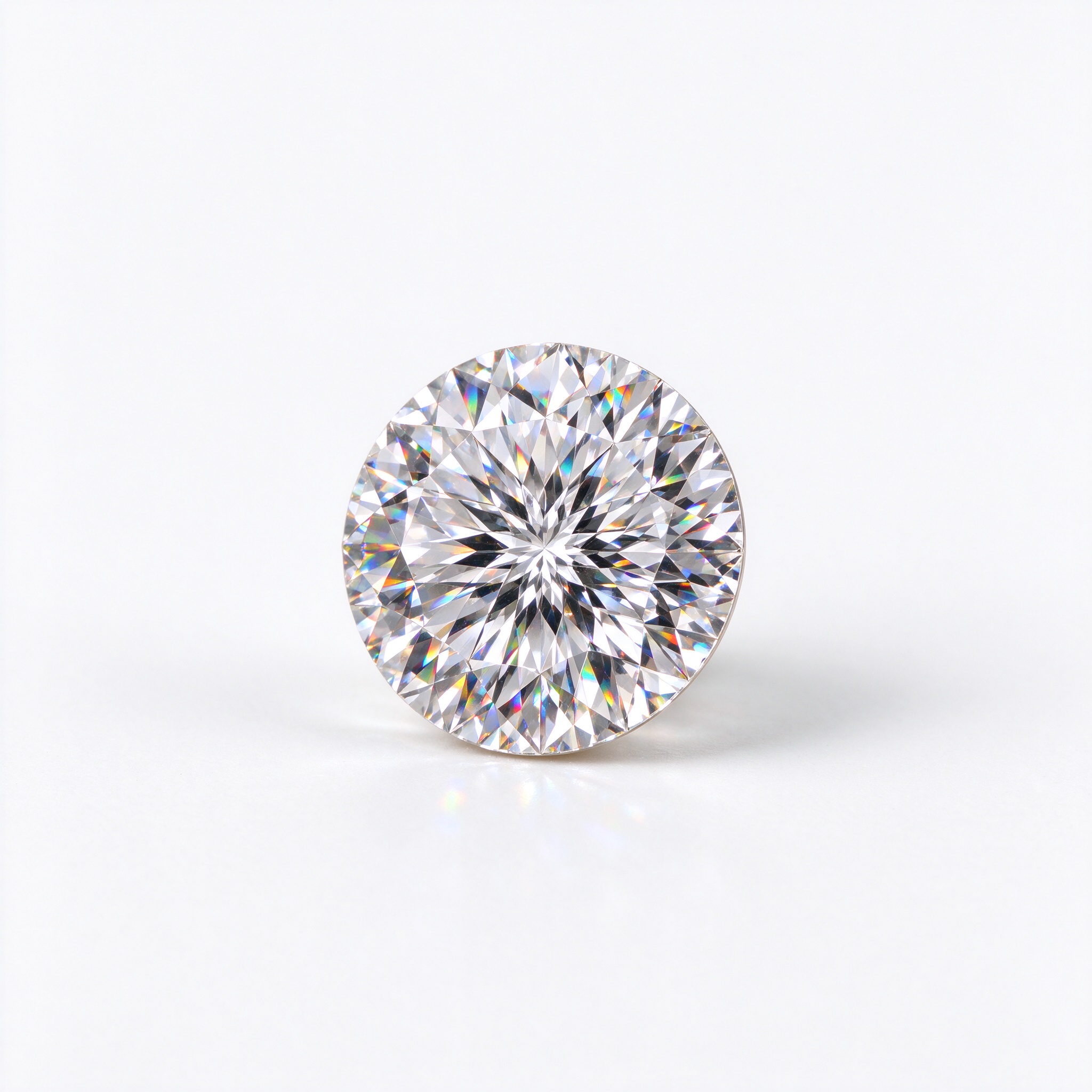
A jewelry buyer in Phoenix ordered 100 round brilliant studs at $38 per carat from one supplier, then found a second quote at $27 per carat for the same DEF, eye-clean, GRA-certified spec. The lower price looked like a win until the parcel arrived: stones ran a wider proportion spread and four certificates did not match girdle inscriptions. Pricing on round brilliant moissanite is not a single number — it is a ladder that moves with carat, grade tolerance, and how the supplier handles inspection. Here is how to read that ladder so you compare real cost, not sticker cost.
Why two "identical" parcels price 30 percent apart
The headline per-carat price hides four variables. A supplier quoting low is usually relaxed on one of them: color grade tolerance, proportion window, certification matching, or incoming QC. Table below shows where the cost difference comes from.
| Cost driver | Budget supplier | Best-practice supplier |
|---|---|---|
| Color tolerance | DEF with visible off-white inclusions | DEF, no visible body color loose |
| Table/depth spread | 5-6 percentage points | 2 percentage points |
| Cert matching | Cert included, not re-inspected | Girdle inscription verified vs cert |
| Reject rate on arrival | 8-12% | Under 1.5% |
When you add the cost of rejected stones, remounting, and customer returns, the "cheap" parcel often ends up costing more per sellable piece.
The 2026 bulk price ladder
Round brilliant pricing moves in steps as carat climbs, because larger stones require rougher material that is scarcer. Typical open-catalog brackets, before volume discounts:
- 0.50 to 0.99 carat: lowest per-carat rate, the volume stud and pendant lane.
- 1.00 to 1.49 carat: the engagement sweet spot, mid ladder.
- 1.50 to 2.49 carat: step-up rate, where fancy-shape competition bites hardest.
- 3.00 carat and above: premium tier, tighter supply, longer lead time.
Our own per-carat ladder sits roughly 8 to 12 percent above the bottom-tier quote because we hold the proportion window at 2 points and re-verify every girdle inscription against its GRA cert before packing. On a 100-stone parcel that narrow tolerance saves the buyer roughly one rejected stone per order, plus the labor of arguing a return.
How to buy the right bracket for your shop
A small-batch opening buyer should test the 1.00 to 1.49 bracket first, because that is where bridal demand concentrates, and sample 20 pieces before committing to a deeper run. Do not anchor on the 0.50 stud ladder for engagement work — the shopper expecting a center stone will feel the size difference immediately.
A high-end boutique doing private-label bridal should buy the 1.50 to 2.49 bracket in matched lots and lock the reorder price in writing, since that tier sees the most supply volatility. Our export lane to the US and EU runs DDP, so the landed cost you quote on the PO is the landed cost you receive.
For private-label programs with monthly volume, tier pricing opens once you clear a set quarterly spend; the per-piece drop is usually tied to the reject rate you have already proven on reorders, not to a first-order promise.
Frequently Asked Questions
Why is round brilliant cheaper per carat at lower weights?
Rounds are the highest-yield cut from rough, and small stones feed the high-volume stud and pendant lane. As carat climbs, usable rougher material becomes scarcer, so the per-carat rate steps up rather than scales linearly.
Does GRA certification add cost worth paying for?
Yes for resale. A GRA cert with a matching girdle inscription lets you defend the stone in a one-on-one sale and supports your retail price. Uncertified parcels save money at invoice but weaken the sales argument.
What MOQ opens the best bulk rate?
The first volume bracket opens at 20 pieces in a single carat band. Deeper discounts apply at 100+ pieces across two bands, and private-label pricing is quoted separately against a monthly forecast.
How do returns and defects affect real cost?
Budget parcels run 8 to 12 percent rejected on arrival. At that rate you are paying for stones you cannot sell, which erases the per-carat discount. A sub-1.5 percent reject rate is the number that makes a ladder genuinely cheaper.
Is pricing stable year to year?
The 1.50+ tier moves most with rough supply and usually sees small step-ups each spring. Lock reorder pricing at the time of your PO rather than assuming the old ladder holds.
What to take away
- Compare landed cost per sellable stone, not headline per-carat price.
- The 1.00 to 1.49 bracket is where bridal buyers should test first.
- A 2-point proportion window and verified girdle inscriptions are what justify a mid-tier quote.
- Lock large-stone reorder pricing on the PO, not verbally.
Request a current round brilliant price ladder with sample parcel: MOQ 20 pcs, ships in 5 business days. See the round brilliant range, compare specs in the buyer guides, or open a wholesale account for DDP export and loose stone pricing.