Cushion Cut Bulk Supplier: MOQ and SKU planning
Understanding MOQ for Cushion Cut Bulk Orders When you reach out to a cushion cut bulk supplier, the first thing you’ll notice is …
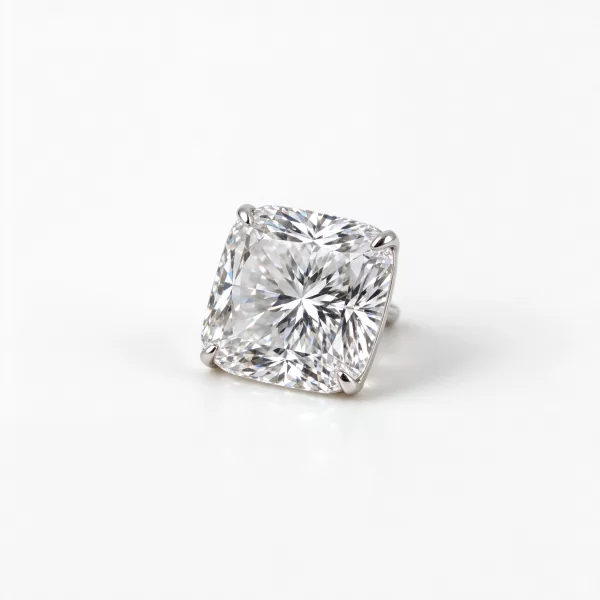
The cushion category is not one product; it is two, and they sell to different buyers. The brilliant cushion reads as a rounded square brilliant, with distinct flashes of fire. The crushed-ice cushion carries a denser, smaller facet pattern that scatters light into a soft, bright glow. Stocking them under one SKU confuses customers and inflates returns, because the buyer who expected a classic cushion and receives a crushed-ice stone will feel misled. Here is how the demand has split and how to stock both.
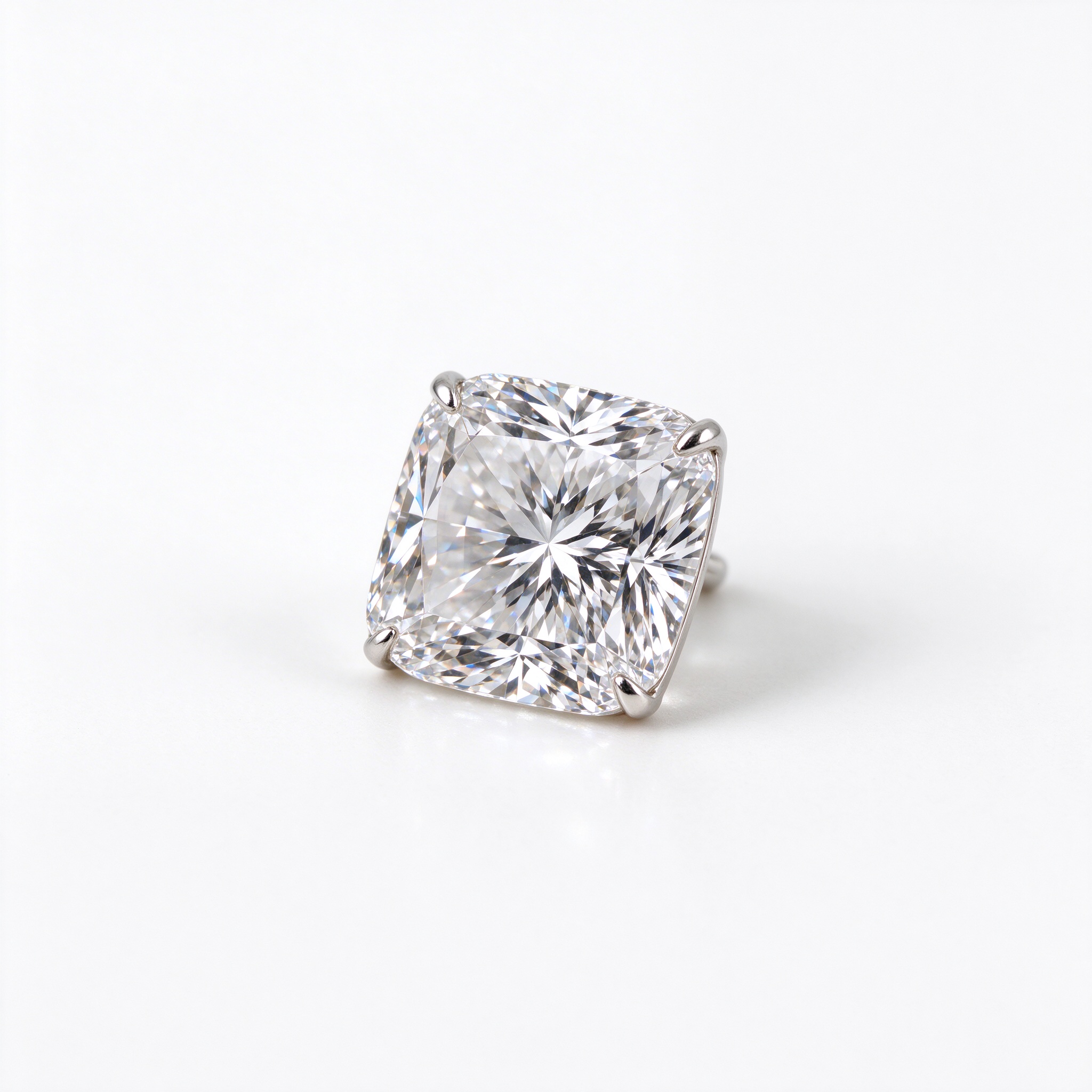
Three years ago, brilliant cushions were almost the entire cushion line. The crushed-ice pattern was a niche taste, popularized by a handful of celebrity engagement rings and editorial accounts. In 2026, the split has settled. Our order book now runs roughly 60 percent brilliant cushion to 40 percent crushed ice, and the crushed-ice share is still climbing quarter over quarter.
| Cushion style | Share of 2026 cushion orders | Typical buyer age | Price band (6x6, USD) |
|---|---|---|---|
| Brilliant cushion | ~60% | 30 to 55 | $35 - $55 |
| Crushed ice cushion | ~40% | 25 to 38 | $38 - $60 |
The brilliant cushion sells to customers who want a cushion silhouette but still expect round-style sparkle. They tend to be buying their first or second engagement ring and compare the cushion directly to a round. The crushed-ice cushion sells to customers who have already browsed and are looking for something softer, more modern, and less obviously a diamond. They often arrive at the product page after seeing a crushed-ice ring on social media.
Crushed-ice cushions cost slightly more per stone, because the denser facet pattern takes longer to cut and requires a tighter proportion band to read correctly. The premium is 5 to 10 percent over a brilliant cushion of the same size. At retail, that premium usually survives; customers who specifically want the crushed-ice look do not comparison-shop it against the brilliant version.
Label them separately on your site and in your tray. Use two SKUs, two product photos, and a one-line explanation of the difference. The most common mistake new retailers make is showing a crushed-ice photo on a brilliant-cushion listing, which produces returns when the customer receives a stone that does not glow the way the picture did. Photograph each style under the same light, and keep a sample of both in the store so a customer can compare in person.
Brilliant cushions move across the whole size range, with 6x6 and 7x7 the volume sizes. Crushed-ice cushions skew slightly larger; the 7x7 and 8x8 sizes carry the line, because the dense facet pattern needs face-up area to show its effect. For a small retailer starting a cushion line, put the first float into brilliant 6x6 and 7x7, and add a single crushed-ice 7x7 as a display piece. Expand the crushed-ice float once you see which customers ask for it by name.
The two cushion styles take different settings. Brilliant cushions read well in a classic four-prong solitaire, where the defined facets show clearly. Crushed-ice cushions read best under a halo or pavé, because the dense facet pattern benefits from extra light around the rim. Bezel settings suit both, but they mute the crushed-ice glow, so reserve bezels for the brilliant style. If you mount one of each style on the same band design, you will see the difference immediately in store lighting.
Crushed-ice cushions photograph brighter and softer than they look in hand, and brilliant cushions photograph slightly more contrasty. A product photo that flatters the crushed-ice style will make the brilliant stone look dull. Shoot each style under the same light and adjust exposure separately rather than applying one filter to both. The most common listing complaint we see is a brilliant cushion advertised with a crushed-ice photo, which produces a return within a week. Keep the two product pages visually distinct, with the style name in the title, and the return rate drops.
One more stocking note: crushed-ice cushions show fingerprints more readily than brilliant ones, because the dense facet pattern holds oil. Wipe the display stones with a microfiber cloth daily, or the glow that sells the style looks dull by mid-afternoon. Brilliant cushions need the same wipe, but the effect is less visible on their larger facets.
A clean display costs nothing and is the difference between a cushion that sells itself and one that reads as tired behind the glass.
Make it part of opening the shop each morning, not a task you get to when you have time.
Both cushion styles are in the loose stone catalog under Cushion Cut.
For third-party reference, the Wikipedia article on moissanite details moissanite’s discovery, optical properties and use in jewelry.
Related reading: Crushed Ice or Brilliant Cushion? How Wholesale Buyers Should Split Th, Cushion Moissanite: Crushed Ice vs Classic Facets, Cushion Cut Moissanite: Chunky vs Crushed-Ice Facets for Wholesale.
Request a production video, business license, export records and a paid sample run. A factory that accepts a 50-piece test order is usually a real manufacturer.
30% T/T deposit with the balance against the bill of lading. This protects both sides on first orders and can move to net terms after a track record.
3–5% under 10x loupe inspection for cast and set pieces. Defective units are replaced free in the next shipment.
Wuzhou, Guangxi, China—the core lab-grown and moissanite manufacturing cluster. Shipments go via Guangzhou or Shenzhen ports.
MOQ is 1 stone for samples. Bulk orders are priced by quantity tier; send your cut, carat, color and clarity requirements and we will return a wholesale quotation.
Sample stones ship within 7-14 days. Bulk production lead time is 15-25 days after deposit confirmation; international delivery after dispatch typically takes 3-10 business days depending on destination.
Prices are quoted per carat in US dollars with tiered wholesale pricing. We accept T/T (30% deposit, balance before shipment), PayPal and Western Union for sample and small orders.
Looking for loose stones or a custom cut? Talk to the factory directly.
Send InquiryWritten by the Holycome manufacturing & quality team. Every figure and claim in this article comes from our own production floor in Wuzhou, China — in-house casting, stone setting and a three-pass quality inspection we have run since 2008.
Materials are tested for nickel, lead and cadmium release by SGS and CTT International; moissanite centre stones ship with their GRA warranty card and report. We also hold an independent SMETA / Sedex ethical-trade audit and a Hong Kong Customs AML registration.
Reviewed for accuracy by our quality team before publication. Last updated .
Written by the Holycome manufacturing & quality team. Every figure and claim in this article comes from our own production floor in Wuzhou, China — in-house casting, stone setting and a three-pass quality inspection we have run since 2008.
Materials are tested for nickel, lead and cadmium release by SGS and CTT International; moissanite centre stones ship with their GRA warranty card and report. We also hold an independent SMETA / Sedex ethical-trade audit and a Hong Kong Customs AML registration.
Reviewed for accuracy by our quality team before publication. Last updated .

Understanding MOQ for Cushion Cut Bulk Orders When you reach out to a cushion cut bulk supplier, the first thing you’ll notice is …
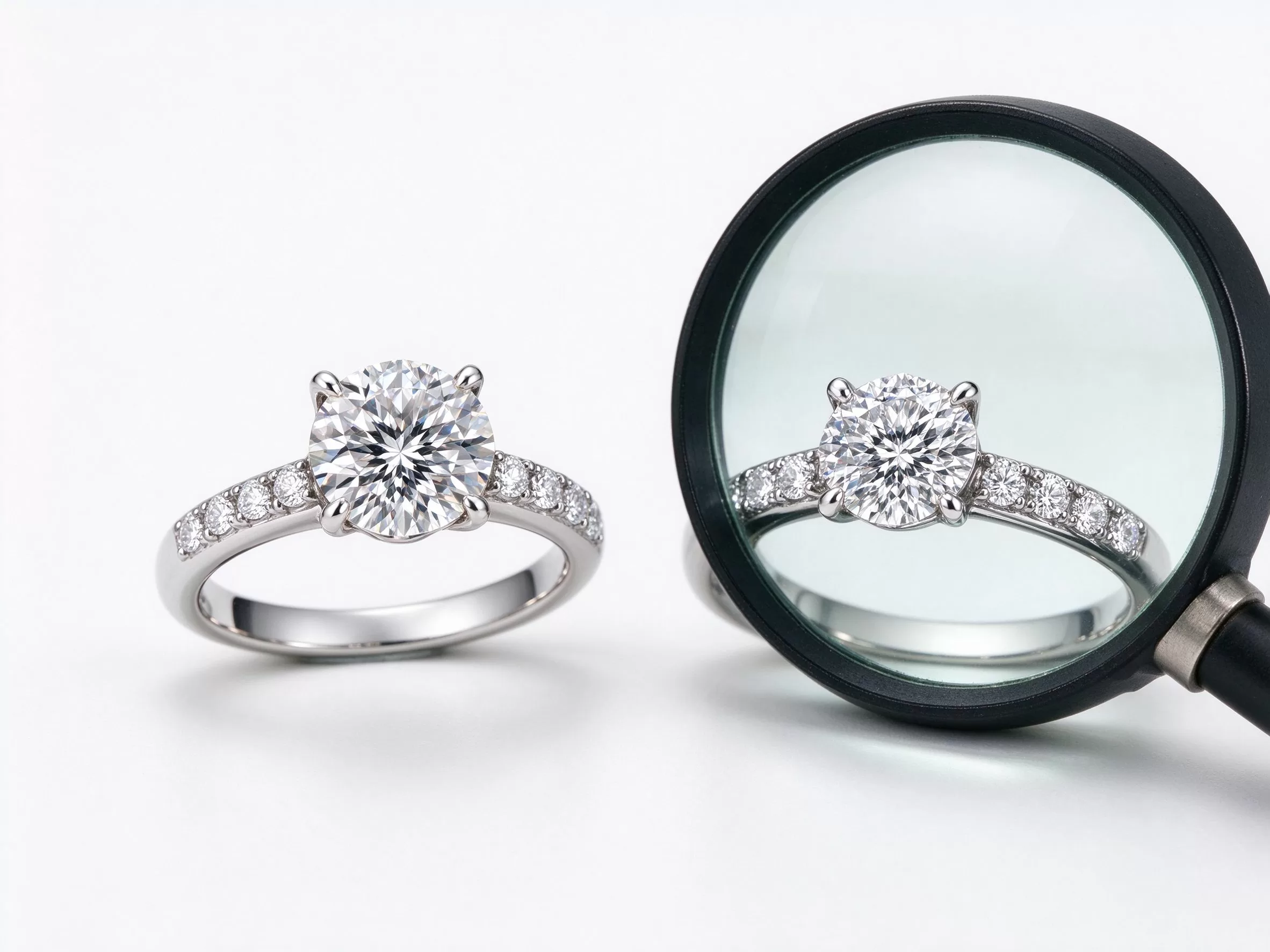
Why Buying Direct from Our Cushion Cut Factory Cuts Your Costs When you source cushion cut lab‑grown diamonds from a trading compa…
Why Incoming QC Matters for Cushion Cut Gems When a stone arrives from the supplier, we perform a detailed visual and dimensional …

Understanding the Cushion Cut OEM Window When you request a custom cushion cut set, the first thing to note is the production cale…
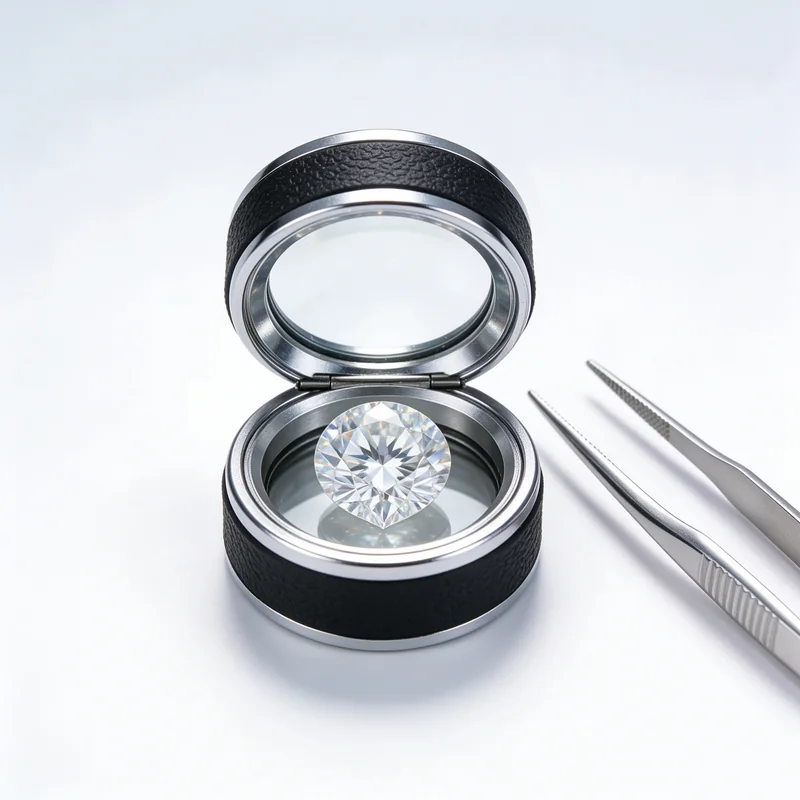
Durability in Cushion Cut Stone Settings When you source cushion cut stones for your jewelry line, setting durability is paramount…