Pear Cut Bulk Supplier: MOQ and SKU planning
Understanding MOQ Flexibility for Pear Cut Bulk Orders When you’re building a catalog that features pear‑cut stones, the minimum o…
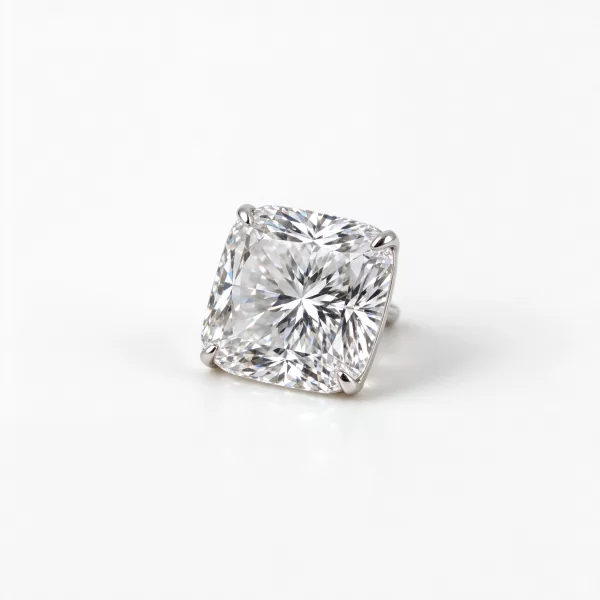
The cushion cut is a square with rounded corners, a soft pillow shape that throws a warm, chunky sparkle. But "cushion" is not one look. Within the shape there are two distinct facet styles: the classic cushion and the "crushed ice" cushion. Buyers usually prefer one strongly once they see them side by side. This guide explains the difference and which to stock for your market.
A classic cushion uses larger, well-defined facets arranged in a chunky, geometric pattern. The sparkle comes in broad flashes of light, and you can see the facet structure clearly. It reads warm, vintage and substantial. This is the traditional cushion look associated with old mine-cut diamonds. It pairs beautifully in vintage halo and three-stone settings.
A crushed ice cushion uses a denser, more chaotic arrangement of smaller facets that scatter light like crushed ice or broken glass. It looks more modern, glittery and "busy," with tiny sparkle across the whole stone. It is the look that has trended on social media, and many customers now mean crushed ice when they say "cushion."
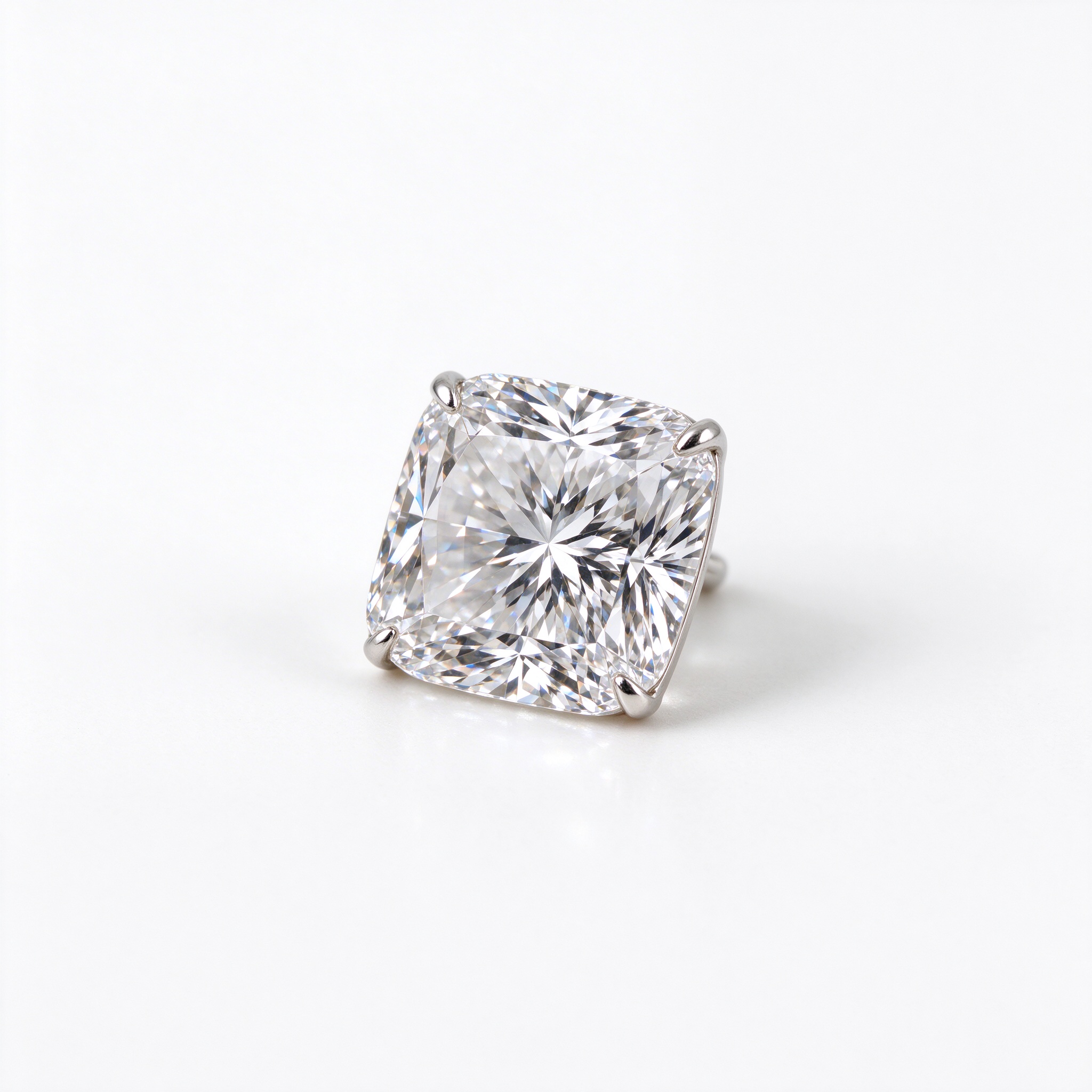
Ask your supplier which facet style they cut. We can cut either; tell us the look your customer wants. Our cushion range covers both, and we will confirm the facet style on request.
Cushions also come in near-square and elongated (rectangular pillow) versions. The elongated cushion reads like a softer oval with corners; the near-square reads more compact. Most engagement rings use a near-square cushion. Your setting choice should match the outline, which you can compare in the complete cut guide.
Cushions hide minor inclusions and slight color better than sharp princess cuts, because the rounded corners and chunky facets diffuse the view. This makes cushion a friendly shape for F-G color and VS clarity, which improves your margin without the customer noticing. For a high-end piece, VVS still reads best. Our clarity guide covers the grades.
Cushion is made for halos and three-stone rings. The rounded corners soften the frame, and a halo amplifies its sparkle. It also sits well in a bezel. Because the corners are rounded (unlike a sharp princess), chip risk is low, which is part of why jewelers love it. See how it compares with the radiant in our radiant vs cushion comparison.
Which looks bigger? Cushions read slightly smaller than ovals of the same carat but larger than princesses face-up.
Is crushed ice lower quality? No, it is a facet style, not a grade. Both can be well cut.
What metal? Yellow or rose gold flatter the warm cushion sparkle; white gold keeps it bright.
If you want a specific cushion look, ask your supplier directly. Under a loupe, a classic cushion shows larger, well-spaced facets; a crushed ice cushion shows a denser, fragmented pattern. Some stones blend both. When ordering wholesale, specify "classic" or "crushed ice" so you do not end up with a mix. We cut both and will confirm the style on request. The cushion range can be ordered either way.
The rounded corners and chunky facets diffuse the view, so cushion shows less body color than a sharp princess or an open emerald cut. This means an F-G cushion looks nearly white face-up, which improves your margin without the customer noticing. For white-gold bridal you can still choose D-F, but for a vintage or gold line, F-G is perfectly serviceable. Read the tiers in color and clarity.
A classic cushion suits vintage settings, three-stone rings and bezels. A crushed ice cushion suits halos and modern mounts where the dense sparkle is the selling point. Because the corners are rounded, cushion sets easily and chips rarely. It is one of the most forgiving shapes to stock. Compare it with the radiant in radiant vs cushion, and see the 1ct cushion to start.
A crushed ice cushion benefits from a halo that amplifies its dense sparkle. A classic cushion suits a vintage three-stone where the chunky facets read warm. Choosing the mounting after you choose the facet style makes the design coherent. Tell us which style you want and we will confirm the stock. The cushion range can be ordered either way.
If a new retailer wants to step beyond rounds, cushion is the safest fancy shape. It hides color and inclusions, its rounded corners chip rarely, and it sells across vintage and modern designs. It is forgiving. Start there before moving to sharper step cuts. Read the broader logic in the cut guide.
When you order cushion, specify classic or crushed ice so you do not get a mix. Ask for a sample of each so you can show customers both. This small step prevents returns and helps you market the look accurately. Browse the cushion range and confirm the style on custom cut.
The most common cushion mistake is not specifying classic versus crushed ice, which leads to a mixed display. Tell us which style you want, and order a sample of each so you can show customers the difference in person. Most boutiques find one style dominates their market. Classic cushion leans vintage; crushed ice leans modern and social-media friendly. Knowing which your customers prefer focuses your stock.
Because cushion hides color and inclusions well, you can choose F-G and VS for a cost-effective stock that still looks great. The rounded corners also mean fewer setting issues and lower return rates. Start with a 1ct cushion in your preferred style and expand from there. See the range on the cushion page.
Gemstone grading terminology used here follows the Gemological Institute of America’s gem encyclopedia.
Yes for price-sensitive customers who want brilliance and hardness. Moissanite ranks 9.25 on the Mohs scale, holds up to daily wear and costs a fraction of a natural diamond of the same size, so it resells fast in bridal and fashion lines.
MOQ starts at 50 pieces per design for stock items. Custom cuts and private-label settings usually start at 100–300 pieces depending on the mold.
Yes. Every parcel ships with GRA or IGI documentation listing carat weight, color grade and cut. We recommend passing the certificate to your end customer for trust.
Samples ship in 3–5 days. Bulk runs take 15–20 days under 500 pieces, and 25–30 days for custom work.
MOQ is 1 stone for samples. Bulk orders are priced by quantity tier; send your cut, carat, color and clarity requirements and we will return a wholesale quotation.
Sample stones ship within 7-14 days. Bulk production lead time is 15-25 days after deposit confirmation; international delivery after dispatch typically takes 3-10 business days depending on destination.
Prices are quoted per carat in US dollars with tiered wholesale pricing. We accept T/T (30% deposit, balance before shipment), PayPal and Western Union for sample and small orders.
Looking for loose stones or a custom cut? Talk to the factory directly.
Send InquiryWritten by the Holycome manufacturing & quality team. Every figure and claim in this article comes from our own production floor in Wuzhou, China — in-house casting, stone setting and a three-pass quality inspection we have run since 2008.
Materials are tested for nickel, lead and cadmium release by SGS and CTT International; moissanite centre stones ship with their GRA warranty card and report. We also hold an independent SMETA / Sedex ethical-trade audit and a Hong Kong Customs AML registration.
Reviewed for accuracy by our quality team before publication. Last updated .
Written by the Holycome manufacturing & quality team. Every figure and claim in this article comes from our own production floor in Wuzhou, China — in-house casting, stone setting and a three-pass quality inspection we have run since 2008.
Materials are tested for nickel, lead and cadmium release by SGS and CTT International; moissanite centre stones ship with their GRA warranty card and report. We also hold an independent SMETA / Sedex ethical-trade audit and a Hong Kong Customs AML registration.
Reviewed for accuracy by our quality team before publication. Last updated .

Understanding MOQ Flexibility for Pear Cut Bulk Orders When you’re building a catalog that features pear‑cut stones, the minimum o…
Why Going Direct to the Factory Matters for Pear Cut Jewelry When buyers compare factory direct orders to trading company purchase…

Daily Incoming QC – What You’ll See First The first line of defense on our floor is the incoming stone check. Every piece arrives …

Understanding the Pear Cut Custom OEM Process The pear cut, with its graceful teardrop shape, is a favorite for private label coll…
Pear Cut Overview & Setting Fundamentals Pear cut stones are prized for their elegant profile and cap-like shape. In our factory, …