A wholesaler in Toronto ordered 80 loose moissanite stones and received them in a generic padded envelope. Two stones rattled loose in transit, one chipped on a girdle, and the envelope had no insurance documentation to make a claim. The order was worth less than the dispute. For cross-border buyers, export packaging and paperwork are not logistics details—they determine whether the parcel arrives sellable at all.
Why loose moissanite needs real protection
Loose stones look inert, but they are fragile at the edges. Moissanite at about 9¼ on the Mohs scale resists scratching, yet sharp corners and thin girdles chip on impact, and a stone that rattles against its neighbors in transit is a chipped stone by the time it lands. The girdle thickness notes already flag where stones are weakest; shipping is where those weaknesses get tested.
Export-grade packing separates every stone so nothing touches. The standard for a sellable parcel is a rigid gem-stone tray with individual foam or plastic cavities, each stone sitting in its own seat, lid closed and taped, nested inside a fitted box. No loose stones in a bag, no stones stacked on each other. Pair-matched stones stay in their own marked cavities so a knocked pair does not turn into a mismatch after transit.
Packaging that survives customs and couriers
Build the pack in layers:
- Inner: rigid gem tray with individual cavities, lid sealed. Stones above 2 carats get a wrapped cotton or microfiber wrap inside their cavity for extra cushion.
- Middle: the tray sits in a fitted, crush-proof jewelry box, packed so it cannot shift. Bubble wrap fills the dead space.
- Outer: a strong corrugated carton sized to the box, with no room to rattle. Mark it as "personal effects" or "samples" per courier guidance—never as "diamonds" or high-value jewelry on the outside.
- Documentation: commercial invoice listing stones as "moissanite, loose, value $X," GRA certificates tucked in a sealed envelope, and insurance paperwork matching the declared value.
On compliance, the EU's REACH regulation and the nickel-release rules enforced through ECHA matter when stones travel mounted in metal settings. For loose stones the main paperwork is accurate valuation and origin; under-declaring value to dodge duty risks seizure, and over-declaring wastes duty money. Declare honestly and use DDP shipping so the importer knows the landed cost up front.
Insurance and the claims habit
Every export parcel should ship with insurance matching the declared wholesale value, signed for, and tracked. Photograph the packed tray and the closed carton before it leaves. If a stone arrives chipped or missing, that photo is the evidence—without it, couriers and insurers routinely deny claims. Require the same packing photos from your supplier; reputable exporters provide them automatically.
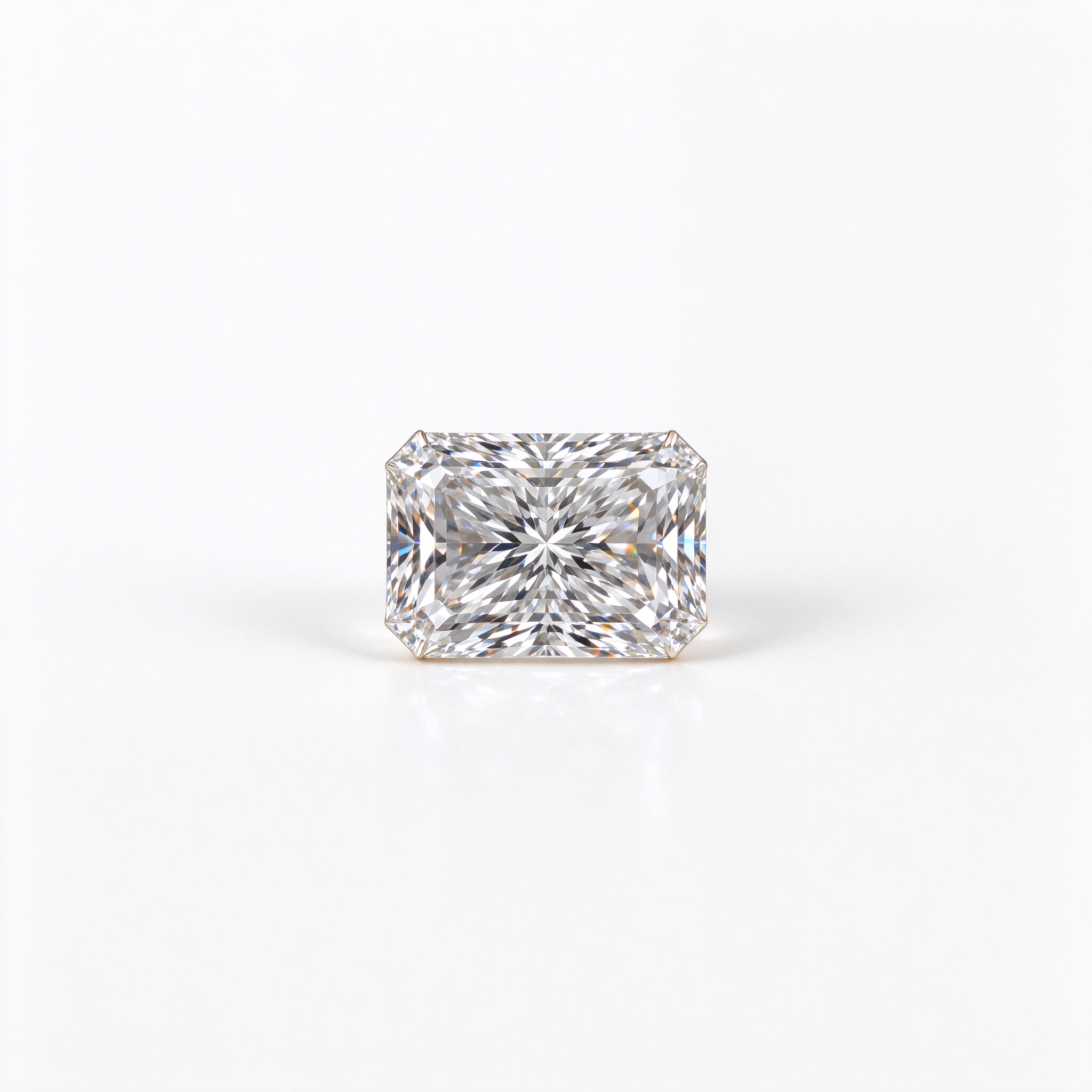
For matched-pair and high-value parcels, split the shipment across two dispatches if the order is large. Losing one box should not lose the whole order. Radiant and other angular cuts deserve the extra-wrap treatment because corners chip fastest, which is why GRA-certified radiant lots should always ship cavity-packed rather than loose.
Timing matters as well. Avoid dispatching high-value parcels just before a weekend or a local holiday on either end, because a box sitting in a customs depot over a long gap is a box at higher risk of mishandling. Plan the window so it lands on a Tuesday or Wednesday, when couriers clear customs fastest and a recipient is in the office to sign. For high-value consignments, request a signature on delivery and a tracked end-to-end scan, so a missing parcel is flagged within days rather than discovered weeks later in a routine stock check.
Frequently Asked Questions
How should loose moissanite be packed for international shipping?
In a rigid gem tray with individual foam or plastic cavities so no stone touches another, sealed lid, nested in a fitted box and a crush-proof carton. Never ship loose stones in a bag.
Do I need insurance on an exported moissanite parcel?
Yes. Insure to the declared wholesale value, ship signed and tracked, and photograph the packed tray and closed carton before dispatch. Without that evidence, claims are usually denied.
What should the customs invoice say?
"Moissanite, loose," with an honest value per stone and total. Never under-declare to dodge duty—that risks seizure. Use DDP so the landed cost is known up front.
Are REACH or nickel rules relevant to loose moissanite?
They apply when stones travel mounted in metal settings, where nickel release is regulated. For loose, unset stones the main requirements are accurate valuation and origin paperwork.
How do I protect matched pairs in transit?
Keep each pair in its own marked cavity and add a microfiber wrap for stones above 2 carats. A pair that shifts during shipping can arrive mismatched or chipped.
Request an export-ready parcel: cavity-packed, insured to declared value, with packing photos, GRA certificates and DDP paperwork, shipped in 5 business days. Open a wholesale account for DDP export terms, or review the GRA verification guide so every shipped stone's document checks out.