Every wholesale moissanite transaction assumes the certificate is genuine and matches the stone. Most of the time it does. The handful of parcels where it does not are the ones that sour a new buyer's relationship with a supplier. Verification takes five minutes per stone and should be part of receiving, not a courtesy you skip on a repeat order.
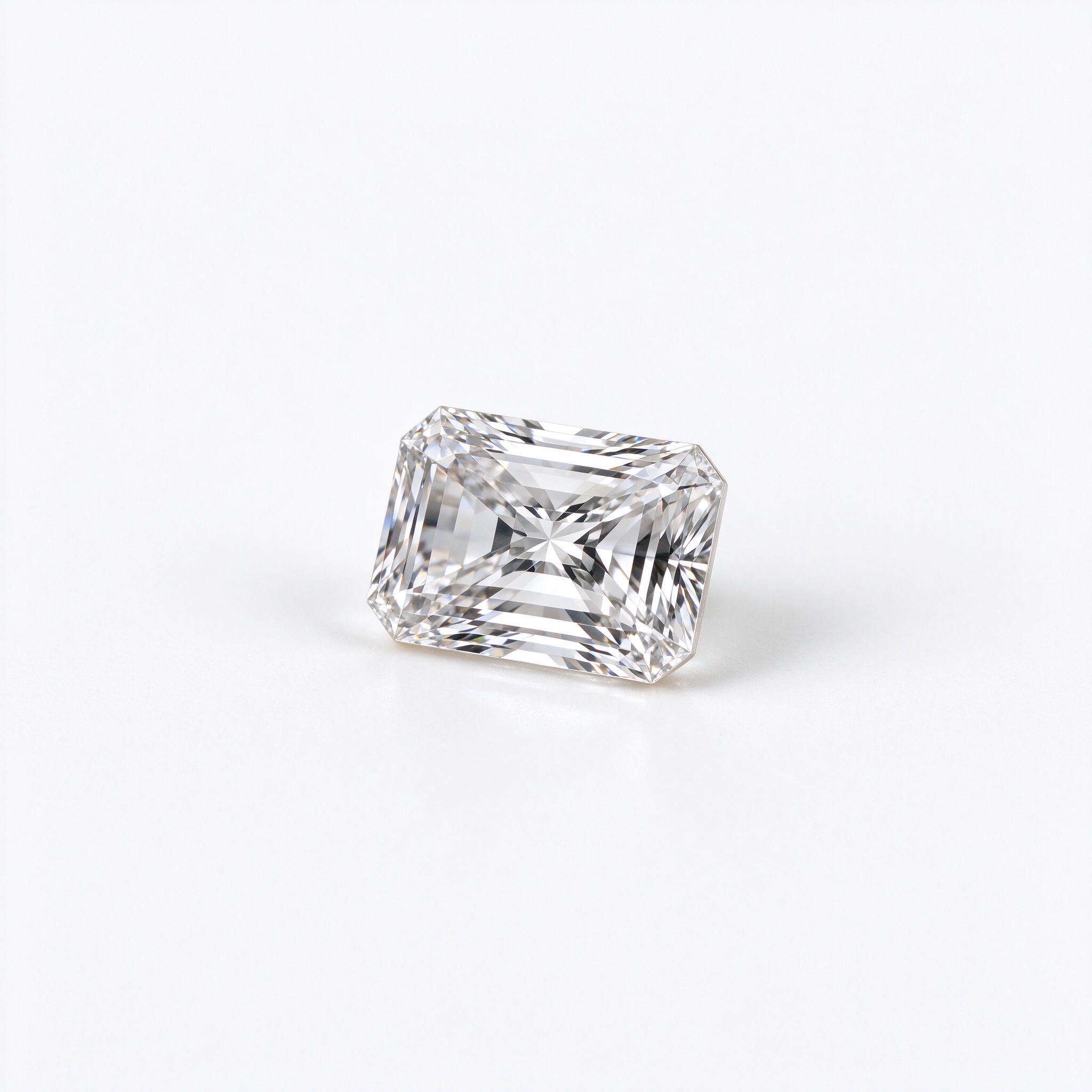
What a GRA report actually lists
A GRA certificate for loose moissanite carries the stone's shape, dimensions in millimeters, carat equivalent, color grade, clarity grade, cut grade and a report number. It does not grade bow-tie, windowing or face-up brightness. That gap is important: a stone can have a perfect GRA report and still face up poorly, which is why the loupe check in our QC article matters alongside the paper check.
The verification sequence
- Caliper the stone. Measure length, width and depth. The numbers on the report must match to within 0.02mm. A 10x8 emerald that the report calls 10.1x8.1 is fine; one that measures 9.7x7.9 is not.
- Find the girdle inscription. Under a 10x loupe at a glancing angle, the report number is laser-inscribed on the girdle. It should be legible and match the paper exactly.
- Cross-check the report number. GRA publishes report records; the number should resolve to the stone described. A report number that comes back as a different shape or size is a forged certificate.
- Confirm shape and cut. A report that says emerald cut on a stone that is clearly a radiant is a mismatch, whatever the numbers say.
- Weigh if possible. Moissanite has a consistent density; the carat equivalent on the report should be plausible for the dimensions. A 10x8 emerald reporting 4 carats is wrong; it should be near 2.5.
Red flags
Three signs that the parcel deserves a closer look.
- Blurry or missing inscription. A genuine laser inscription is crisp. A hand-etched or printed-on look suggests the girdle was marked after the fact.
- Report numbers in sequence across a parcel. Ten stones with consecutive report numbers is normal if they were cut together. Ten stones with numbers from unrelated years and shapes is not.
- Paper that looks photocopied. Genuine GRA reports are printed with consistent security details. A report on flimsy paper with mismatched fonts is worth calling the supplier on.
| Detail on report | Normal range | Red flag |
|---|---|---|
| Caliper vs printed size | within 0.02 mm | over 0.10 mm off |
| Carat equivalent | plausible for the mm | wildly overstated |
| Girdle inscription | crisp, matches number | blurry or hand-etched |
| Shape on paper | matches the stone | reports a different shape |
When the mismatch is yours, not the supplier's
Not every discrepancy means a fake. A stone that measures 0.05mm off the report may simply have been sorted loosely. A girdle inscription that is faint may have been worn by polishing. These are conversations, not accusations. The suppliers who respond with a recut or a replacement are the ones to stay with; the ones who go quiet are the ones to stop ordering from.
Keep a verification log
Record the report number, caliper reading and date for every parcel. Over a year, this log is your evidence if a dispute ever goes to payment protection, and it is also your internal quality record for which suppliers grade honestly. We keep the log as a spreadsheet, one row per stone, with a photo of the girdle inscription attached.
When to walk away
Most discrepancies are honest mistakes. A supplier who sends a replacement and apologizes is worth keeping. A supplier who blames the courier, delays, or asks you to return the stone at your own cost is the one to drop. Verification is about more than catching fakes; it is about learning which suppliers stand behind their parcels. After a year of verification logs, you will have a short list of suppliers whose parcels you can receive without the full check, and a longer list of those who need it every time.
What verification does not catch
The GRA check confirms the stone matches its paper. It does not confirm that the stone is well cut. An emerald cut can carry a perfect D-F VVS1 report and still window badly, because step-cut proportions are not graded the way diamond proportions are. That is why the loupe and the face-up check sit alongside the certificate verification, not in place of it. Treat the paper as the floor of due diligence, not the whole of it.
For high-value orders above ten stones, ask the supplier to photograph the girdle inscription under magnification before shipping. That pre-shipment check catches the mismatched parcels before they cross the border, and it costs the supplier nothing. Suppliers who refuse are telling you something about their parcels before you have paid.
Treat verification as a standing part of every order, not a one-time check you run on a first purchase and then forget.
It takes minutes and prevents disputes that take days.
All stock emeralds ship with verifiable GRA reports in the loose stone catalog.