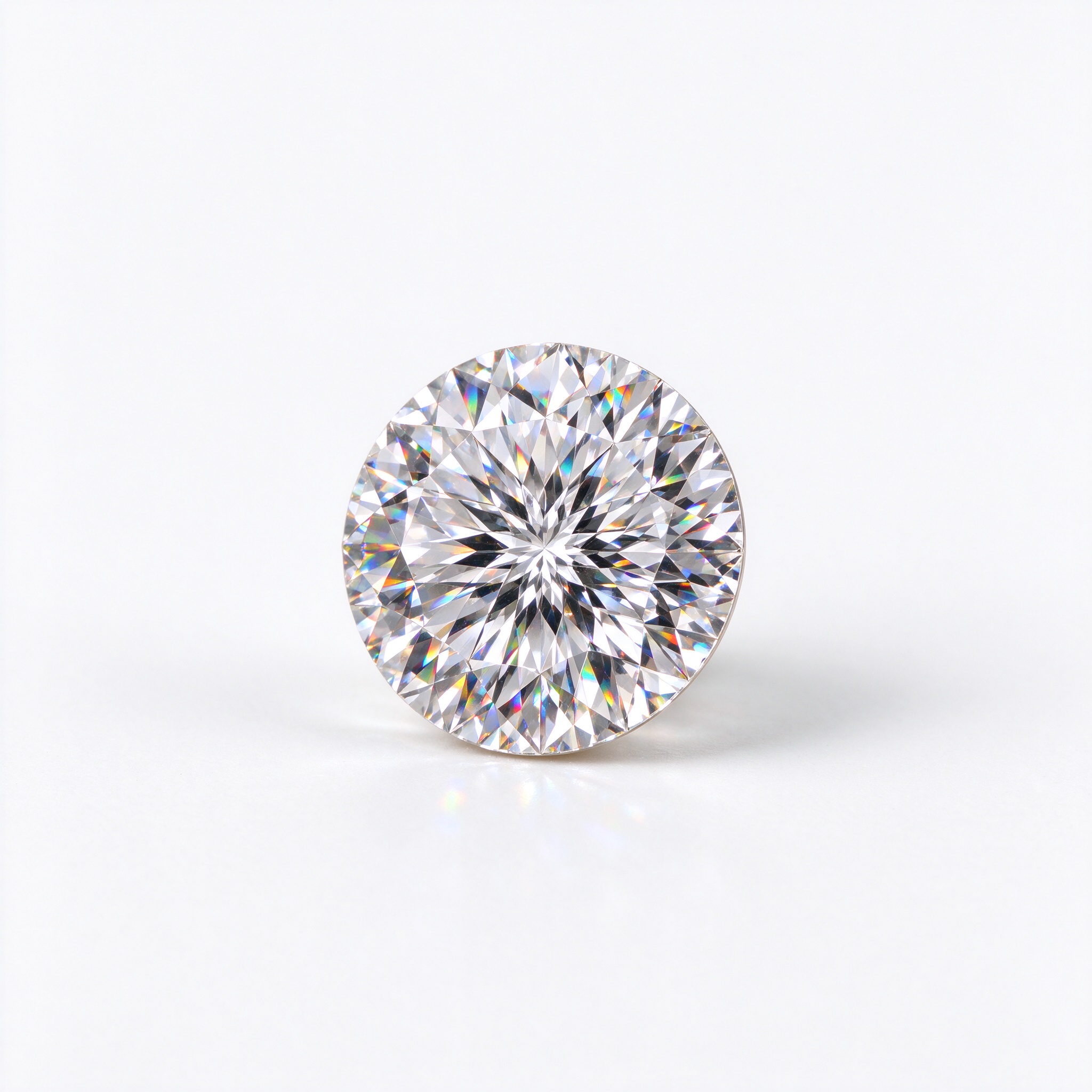
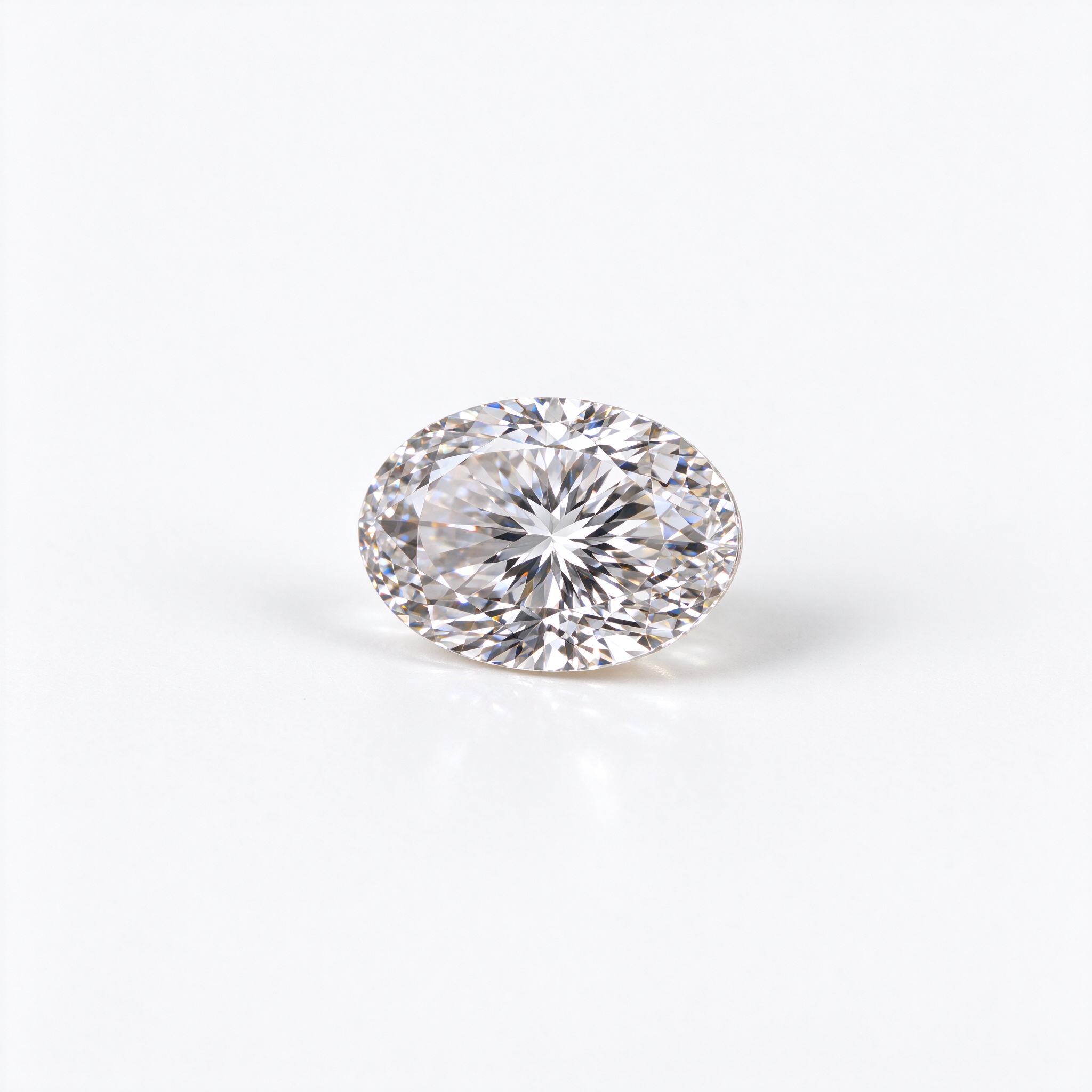
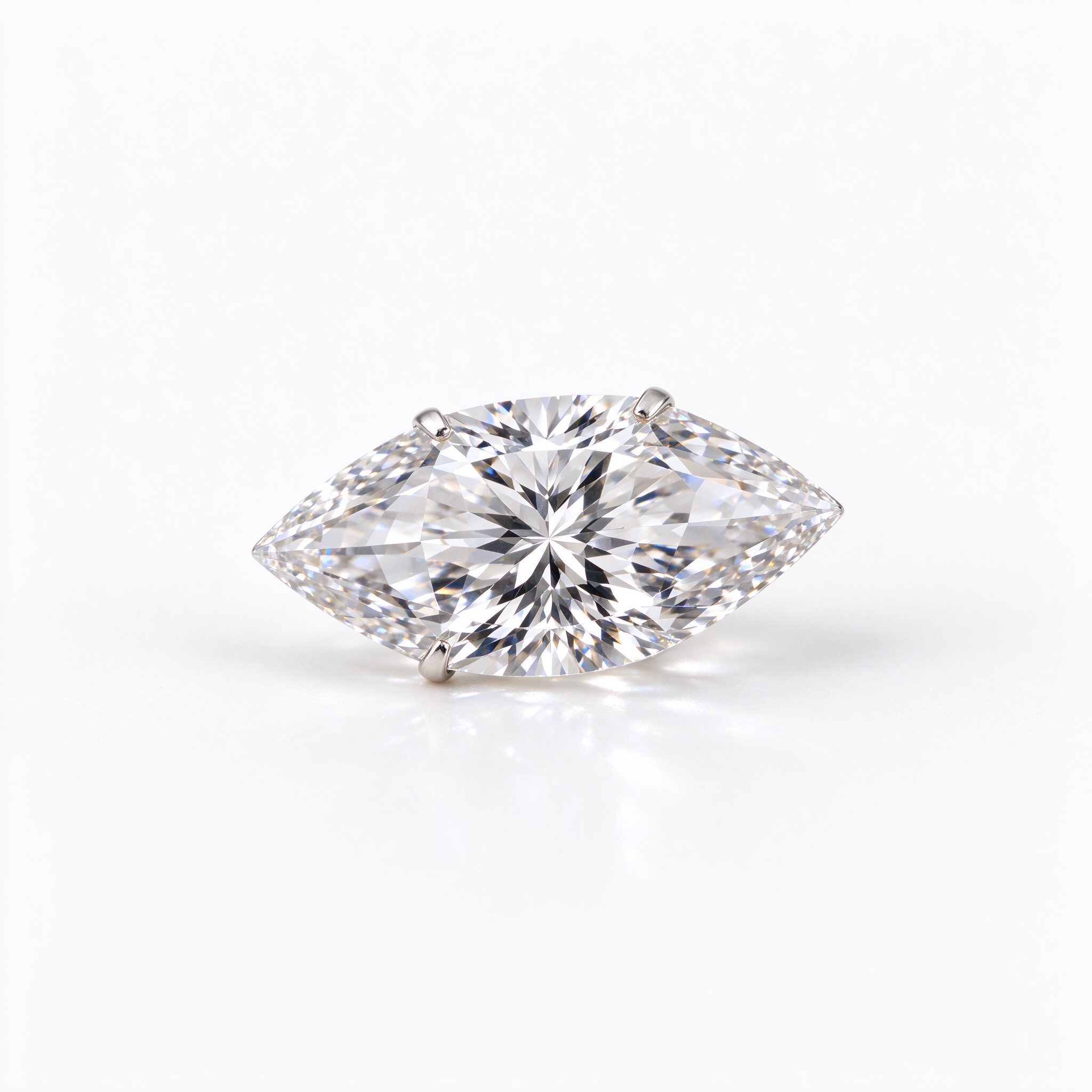
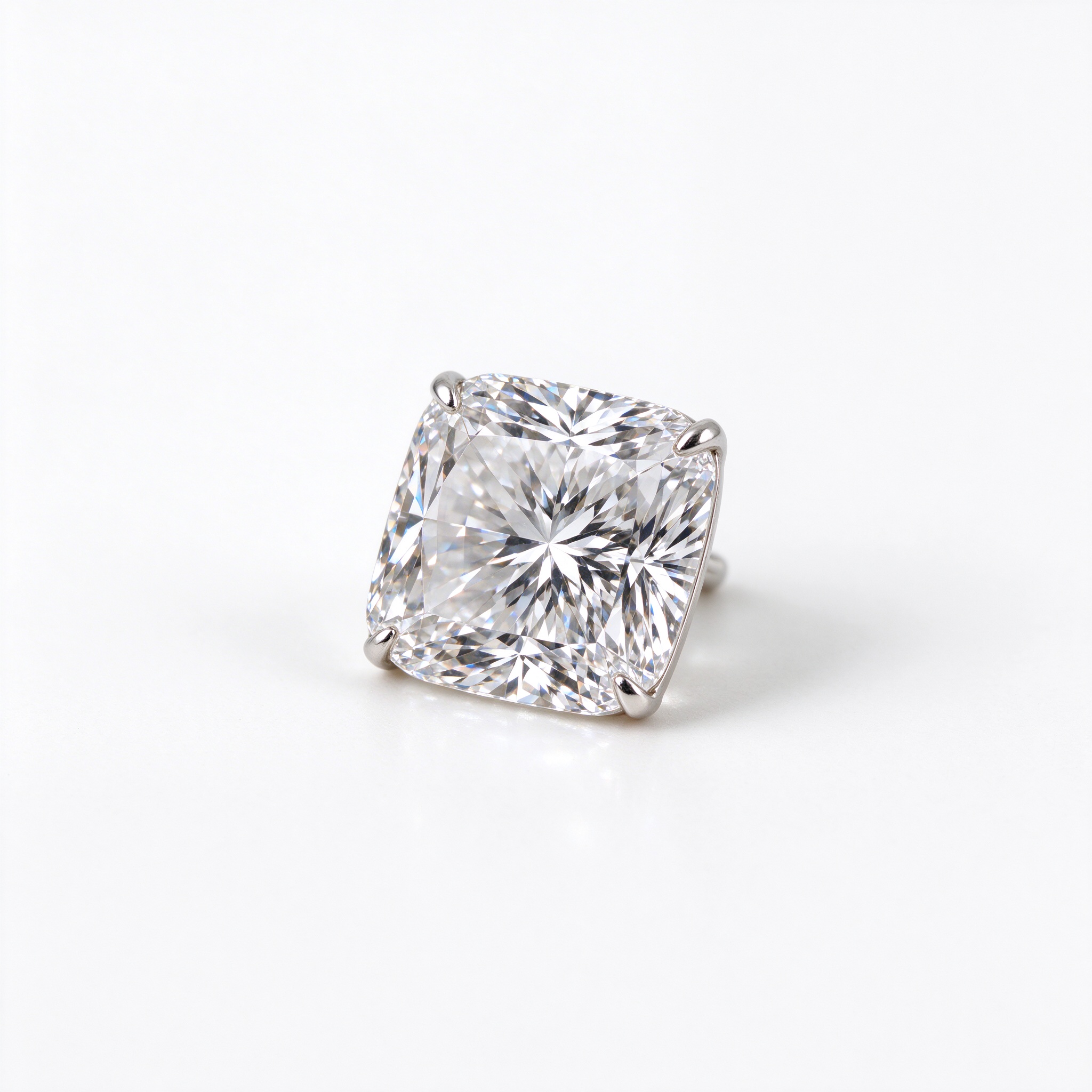
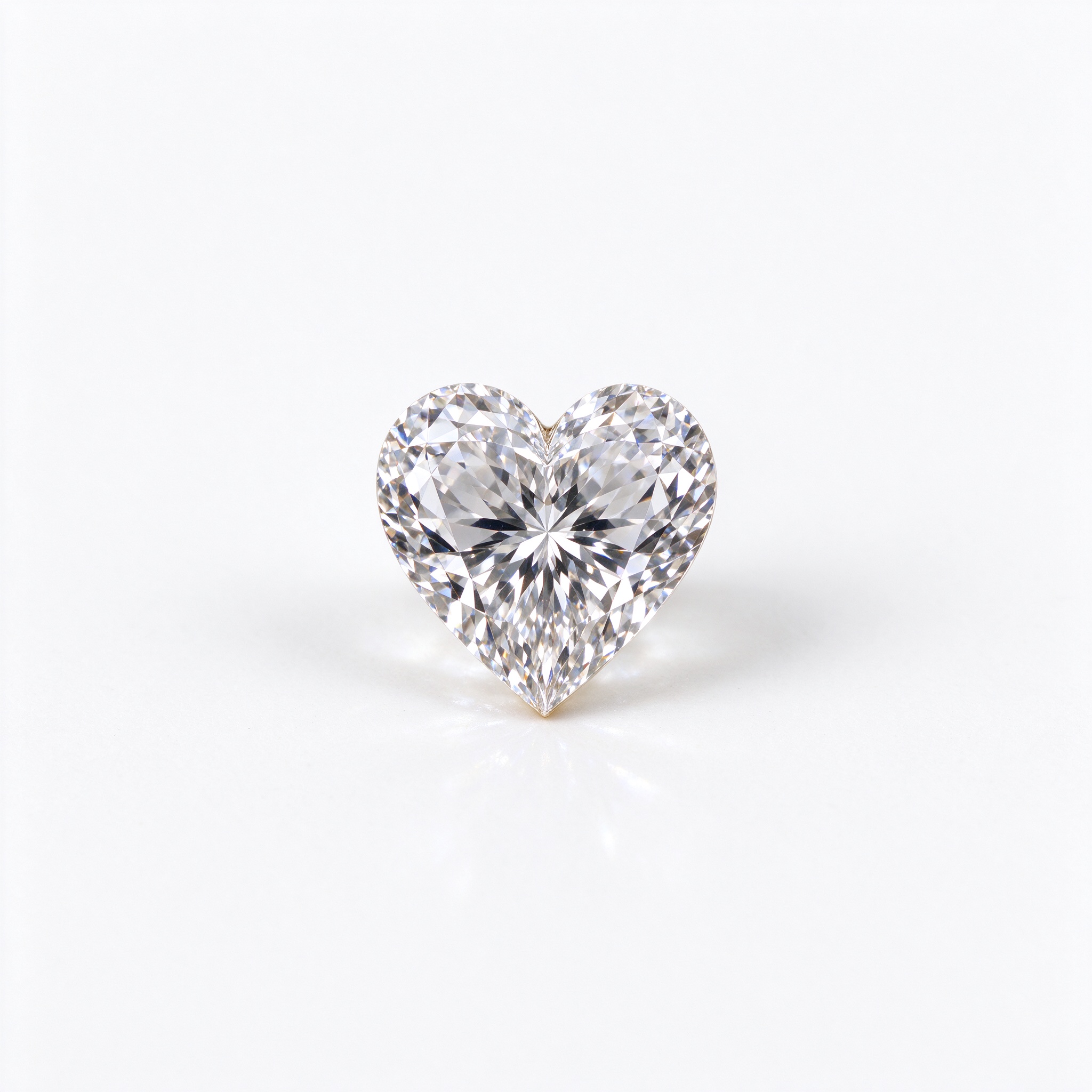
A retailer asked for "one of every size from one carat to five" and built a tidy display that looked impressive but moved slowly. Six months later they were discounting the four biggest stones to pay rent. The error was treating inventory like a showcase instead of a ratio. Stocking loose moissanite from 1 to 5 carats is about cash velocity, and this guide sets the ratios that work.
The 1–5 carat ladder most stores actually need
Customer demand in the engagement and statement segment clusters at the bottom of the ladder and thins toward the top. A practical stock mix for a boutique that serves walk-in bridal looks like this:
- 1.0–1.49 ct equivalent: roughly 45% of your loose stock. This is the workhorse bracket and the one customers actually buy.
- 1.5–1.99 ct: about 25%. The "step-up" buyer who wants more presence without moving to a statement stone.
- 2.0–2.99 ct: about 18%. Statement and upgrade customers; slower but higher margin.
- 3.0–3.99 ct: about 8%. Keep one or two on hand for the rare committed buyer.
- 4.0–5.0 ct: about 4%, and ideally on consignment or order-only. These tie up serious capital and turn once or twice a year.
The carat pricing tier breakdown explains why the per-carat cost jumps so hard at the upper end, which is exactly why you should not stock proportionally there.
Demand at the top of the ladder is anchored to diamond pricing psychology: shoppers compare a 3-carat moissanite against a 3-carat diamond price tag that runs tens of thousands of dollars, which is why the 2–3 carat moissanite bracket carries the clearest value story. Keep that bracket stocked even though it turns slowly, because it is the stone that pulls a browser into the store and often leads to the mid-tier purchase they actually make.
Shapes across the ladder
Do not carry every shape at every size. Concentrate rounds in the high-volume lower brackets, where setting compatibility is widest, and reserve fancy shapes for the mid and upper brackets where buyers shop by look rather than by head availability. Across a working 30-stone ladder:
- Rounds: 60%, concentrated in 1.0–2.0 ct.
- Ovals: 20%, skewed to 1.5–3.0 ct where the face-up size advantage sells itself.
- Pears, cushions, emeralds: the remaining 20%, one stone each at selected sizes.
Ovals are the standout at 2–3 carats because their elongated face-up look reads larger than a round of the same weight, per the face-up size comparison. Rounds dominate at 1 carat because that is where most engagement budgets land. Step cuts like emerald and asscher reward the upper brackets, where the buyer wants the quiet, lined look; see the emerald step-cut reflection guide.
Capital, consignment and reorder discipline
A useful rule: never put more than 15% of your loose-stone budget into stones above 3 carats. Above that, the carrying cost—insurance, storage, capital locked—erodes the margin even when the stone eventually sells. Use consignment for the 4–5 ct anchors: display them, order them when a customer commits, and pay the supplier on delivery.
Set reorder triggers by bracket, not by total stock. Reorder the 1.0–1.49 ct tier whenever it drops below 8 stones. Reorder the 2–3 ct tier when it drops below 3. Leave the 4–5 ct tier on order-only until you have sold three of them, then carry one. This keeps fast movers full and slow movers from multiplying.
Frequently Asked Questions
How many stones should I stock in the 1 to 5 carat range to start?
About 25–35 stones weighted heavily to the 1.0–2.0 ct brackets. Carry 1–2 anchors above 3 ct on consignment rather than buying them outright.
What percentage of stock should sit above 3 carats?
Under 15% of budget, and ideally 4–5 ct stones on consignment. The insurance and capital cost of holding them outright rarely pays off for a first-time inventory.
Which shape moves fastest at each size?
Rounds win at 1.0–1.5 ct, ovals at 1.5–3.0 ct, and step cuts or cushion at 3 ct and up where buyers shop by aesthetic.
How often should I reorder the mid tier?
Reorder the 1.0–1.49 ct bracket whenever it drops below 8 stones—usually every 4–6 weeks in a busy bridal store.
Should I keep one of every shape at every size?
No. That is the showcase trap. Concentrate rounds at the bottom of the ladder and fancy shapes only in the mid and upper brackets where demand is aesthetic-led.
Request a starter ladder parcel: 25 stones from 1.0 to 3.0 carat equivalents, mixed round and oval, GRA-certified, with a consignment option on 4–5 ct anchors, shipped DDP in 5 business days. Open a wholesale account for consignment terms, or read the radiant ratio guide if you are adding rectangular shapes.