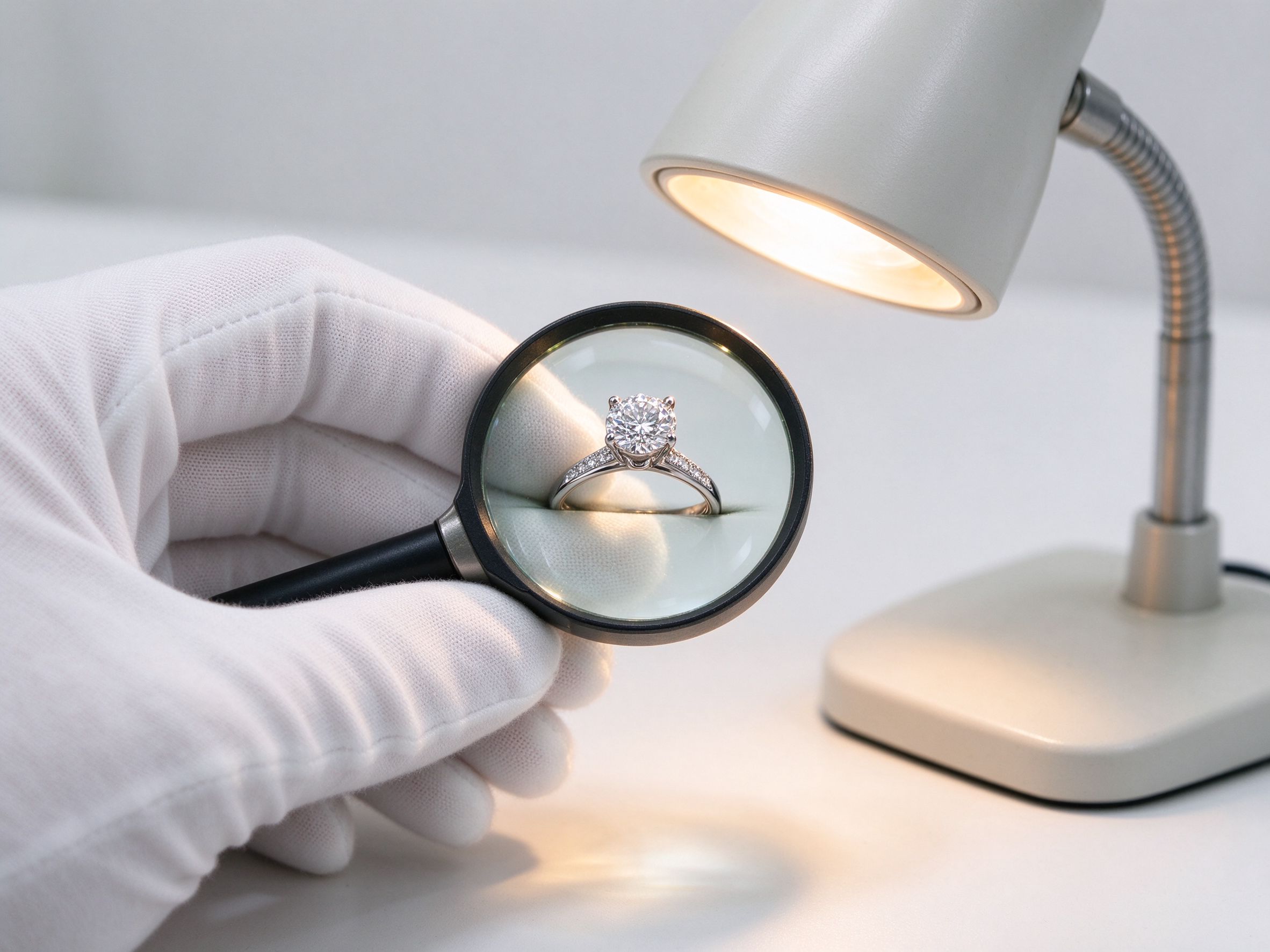
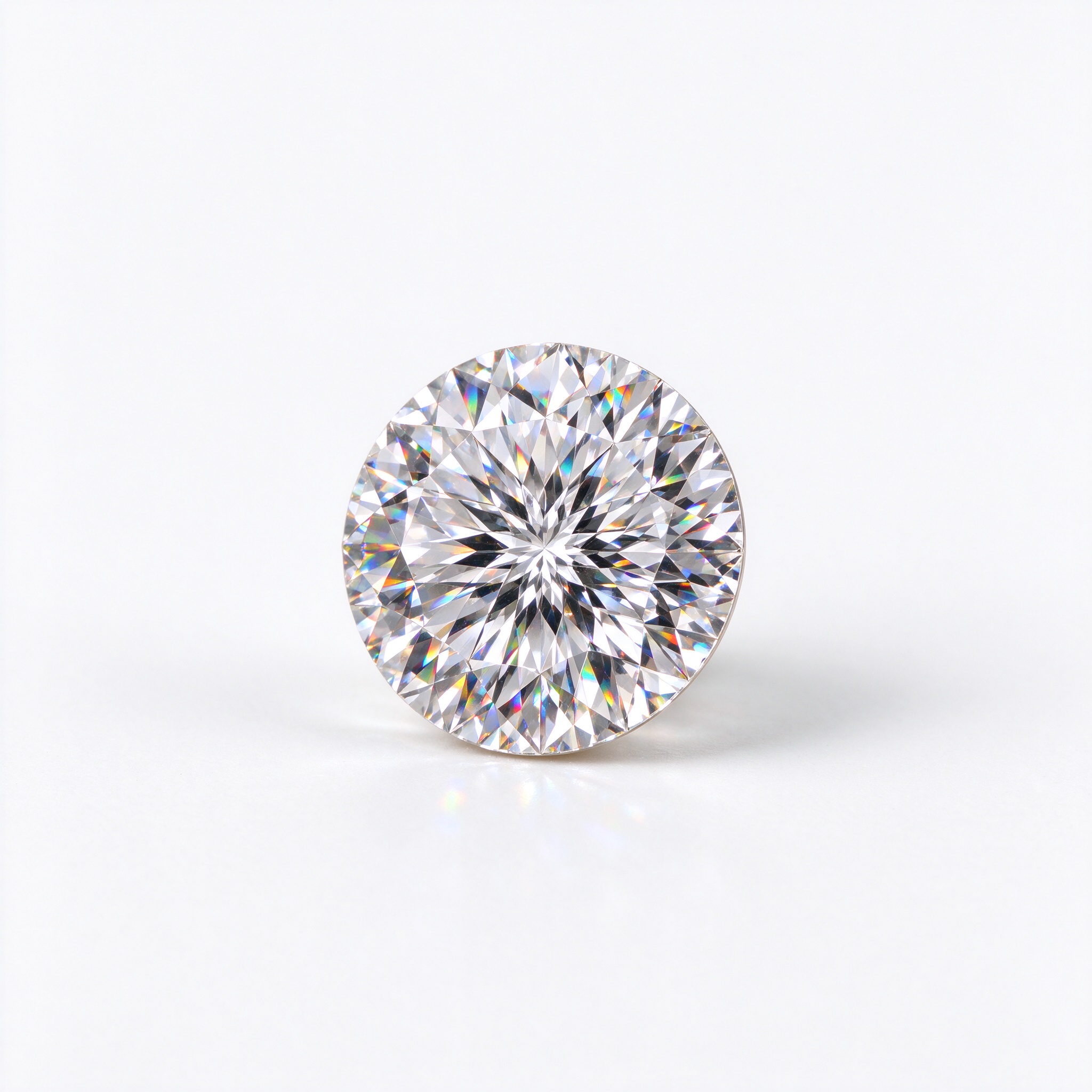
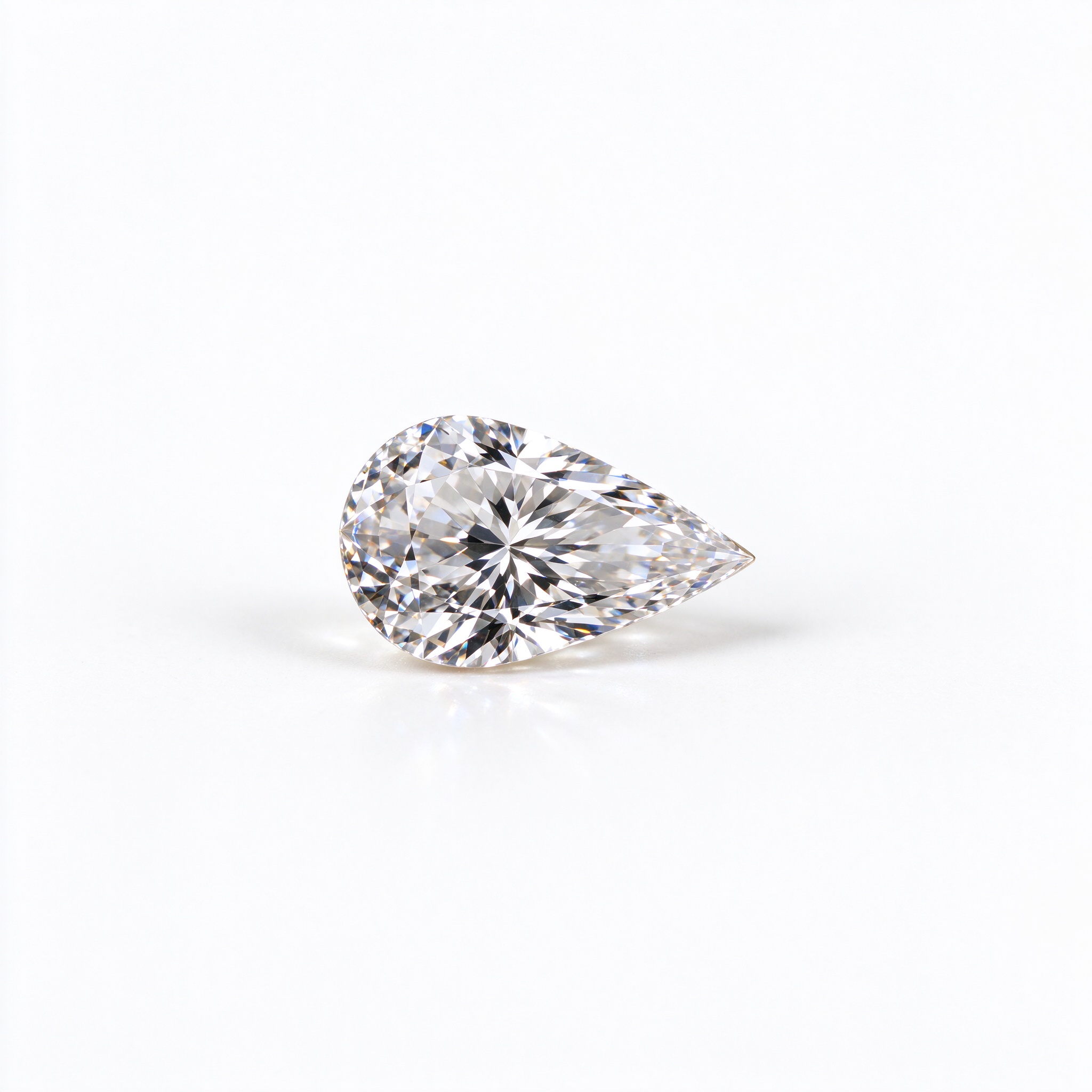
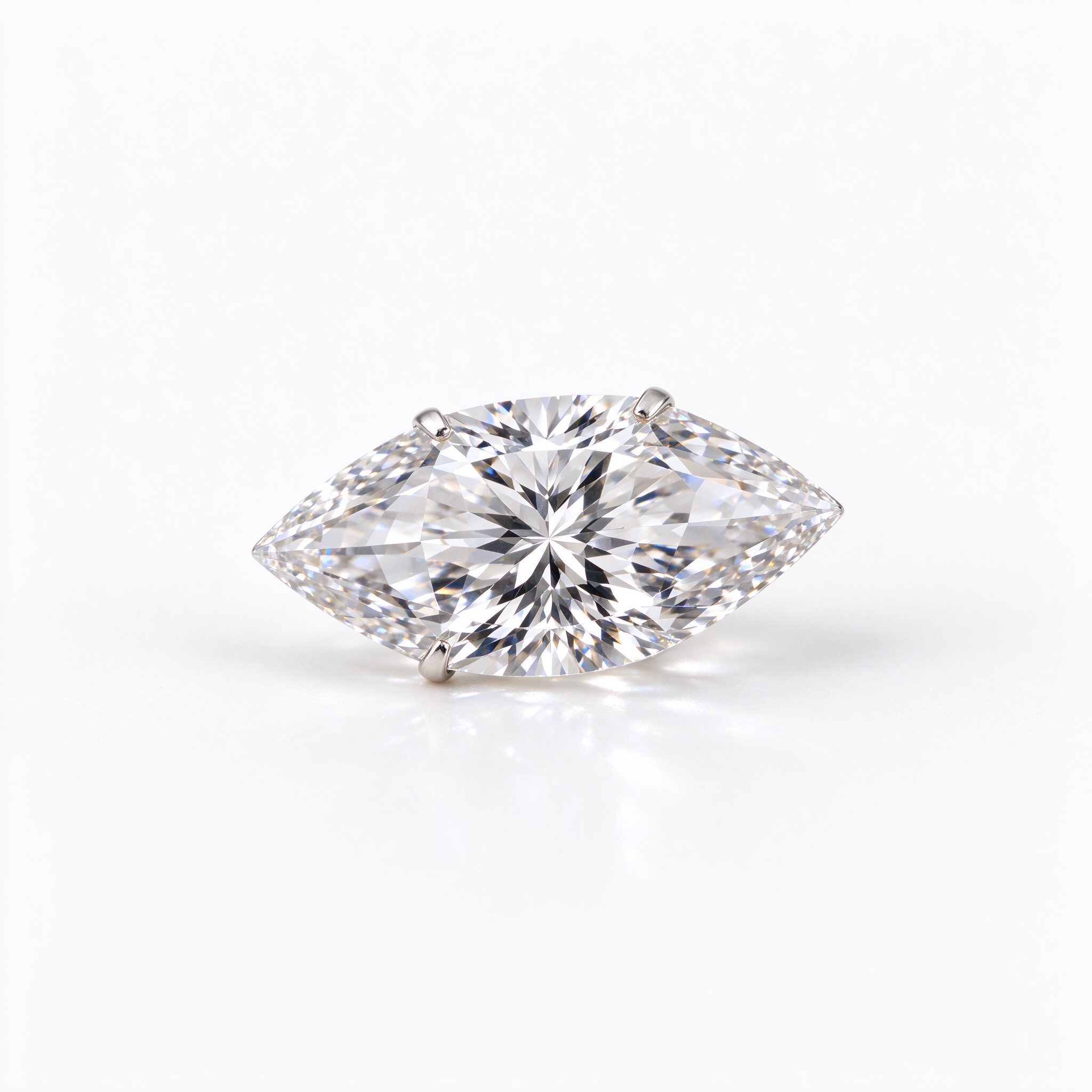
A new buyer asked for "five carats of moissanite, cheapest per carat" and got a quote that surprised them: five 1.0 carat stones cost less than one 5.0 carat stone by a wide margin. That is because moissanite wholesale pricing is tiered, not proportional. Unit cost does not climb smoothly with weight; it jumps at the bracket edges that retailers expect to advertise.
Understanding those steps is the difference between a parcel that makes money and one that sits. This article maps the carat tiers, the per-unit math, and which brackets carry the best annualized margin for a wholesaler.
How moissanite is actually priced per carat
Loose moissanite is sold by carat equivalent, but the price-per-carat curve is stepped. On our 2025–2026 round-brilliant list, the rough structure looks like this:
- Under 0.5 carat equivalent (under about 4.5 mm): lowest per-carat price, but thin per-unit margin. These move in wedding bands and studs.
- 0.5–0.9 carat (4.5–5.4 mm): entry bridal and pendant bracket. Per-carat cost starts climbing.
- 1.0–1.49 carat equivalent (6.5–7.4 mm): the volume sweet spot. Highest turnover, moderate per-carat price.
- 1.5–1.99 carat (7.5–8.3 mm): the first real step-up. Per-carat cost rises roughly 35–45% over the 1.0 bracket.
- 2.0–2.99 carat (8.4–9.5 mm): the second step-up. These are statement stones; percentage margin is best but turnover is slow.
- 3.0 carat and above (10 mm+): the top tier. Unit cost is high, demand is thin, and only established accounts should carry these.
The steps exist because retailers advertise round numbers ("two-carat moissanite ring") and customers anchor on them. Stones just under a half-carat boundary (a 1.49 carat) sell for nearly the engagement-dream price while costing noticeably less than a 1.5. That gap is the wholesaler's opportunity. The cut-vs-price breakdown shows how shape shifts the same curve.
The carat itself is a unit of mass, historically derived from carob seeds and now fixed at 0.20 grams; see the definition of a metric carat. Because moissanite is slightly less dense than diamond, a 1.0 carat moissanite measures a touch larger in millimeters than a 1.0 carat diamond—around 6.5–6.7 mm versus 6.4–6.5 mm—which is part of why shoppers see a bigger-looking stone at the same carat label. That face-up advantage is worth factoring into how you quote per stone, not per total weight.
Where the margin actually hides
New buyers assume the biggest stones carry the biggest profit. They do not—not annually. A 3-carat stone may carry a 60% gross margin, but it can sit 6–12 months. A 1.0–1.2 carat stone carries a 40% margin and turns in 4–6 weeks. Annualized gross profit per dollar tied up is often higher in the mid bracket.
The highest-velocity stock is the 1.0–1.2 carat equivalent round, which matches the most common engagement budget and the widest range of in-stock heads. Build around it. The round best-seller analysis quantifies how much of a parcel should live there. For fancy shapes, face-up size changes the math: a 1.0 carat oval looks larger than a 1.0 carat round, per the carat-per-millimeter guide.
Buying around the steps instead of across them
A common error is buying evenly across every bracket. That leaves you holding slow top-tier stock and under-stocking the fast mid tier. A working split for a boutique-facing wholesaler is roughly: 20% small (under 0.9 ct), 50% mid (1.0–1.49 ct), 20% large (1.5–2.99 ct), and 10% anchor stones at 3.0 ct and above. Reorder the mid tier on a 30-day cycle; reorder anchors only when a specific retailer commits.
Always compare like-for-like. A "1 carat" oval and a "1 carat" cushion are different face-up sizes and different prices, so never price a parcel on total carat weight alone. Ask for per-stone millimeter dimensions, which is how our quotations are built.
Frequently Asked Questions
Does moissanite price scale linearly with carat?
No. It steps up at the 1.0, 1.5, 2.0 and 3.0 carat boundaries, roughly 35–45% per step. Buying five 1-carat stones costs far less than one 5-carat stone.
Which carat tier gives the best annualized profit?
The 1.0–1.2 carat equivalent. Margin per stone is lower than top tiers, but turnover is 3–5x faster, so profit per dollar invested is highest.
Should I stock 3-carat and larger stones as a new wholesaler?
Keep anchors under 10% of stock. They carry high percentage margin but slow turnover; carry them only against committed retailer orders until you have a track record.
Why is a 1.49 carat stone better value than a 1.5?
The price step lands at the round number. A 1.49 carat sells at nearly the "one-and-a-half carat" retail price while costing noticeably less wholesale. Buying just under the boundary captures that gap.
Do fancy shapes price the same per carat as rounds?
No. Ovals, pears and marquise usually carry a small per-carat premium over rounds, while step cuts price closer to rounds. Always quote per shape and per millimeter, not per total carat.
Request a tiered price list across 0.5 to 5.0 carat equivalents, with per-stone millimeter dimensions and GRA certificates, quoted DDP in 5 business days. Open a wholesale account for volume-tier pricing, or review the bulk round pricing guide before you lock a parcel.