A wholesaler in Birmingham opened a 50-stone round parcel sorted D–F and watched half of it sit for nine months. The same buyer reordered 40 stones sorted G–H and cleared them in six weeks. The mistake was not the stones; it was assuming every retail customer wants the whitest possible moissanite. Color grading is where bulk margin is won or lost, and the D–F versus G–H decision deserves numbers, not habit.
Moissanite is not diamond, and its color scale does not read the same way. Because moissanite disperses far more light than diamond, a faint body tint is masked by rainbow fire under retail lighting. That changes the economics of buying the top of the scale. This article lays out the price delta, the sell-through difference and the split that works for most accounts.
How moissanite color is actually graded
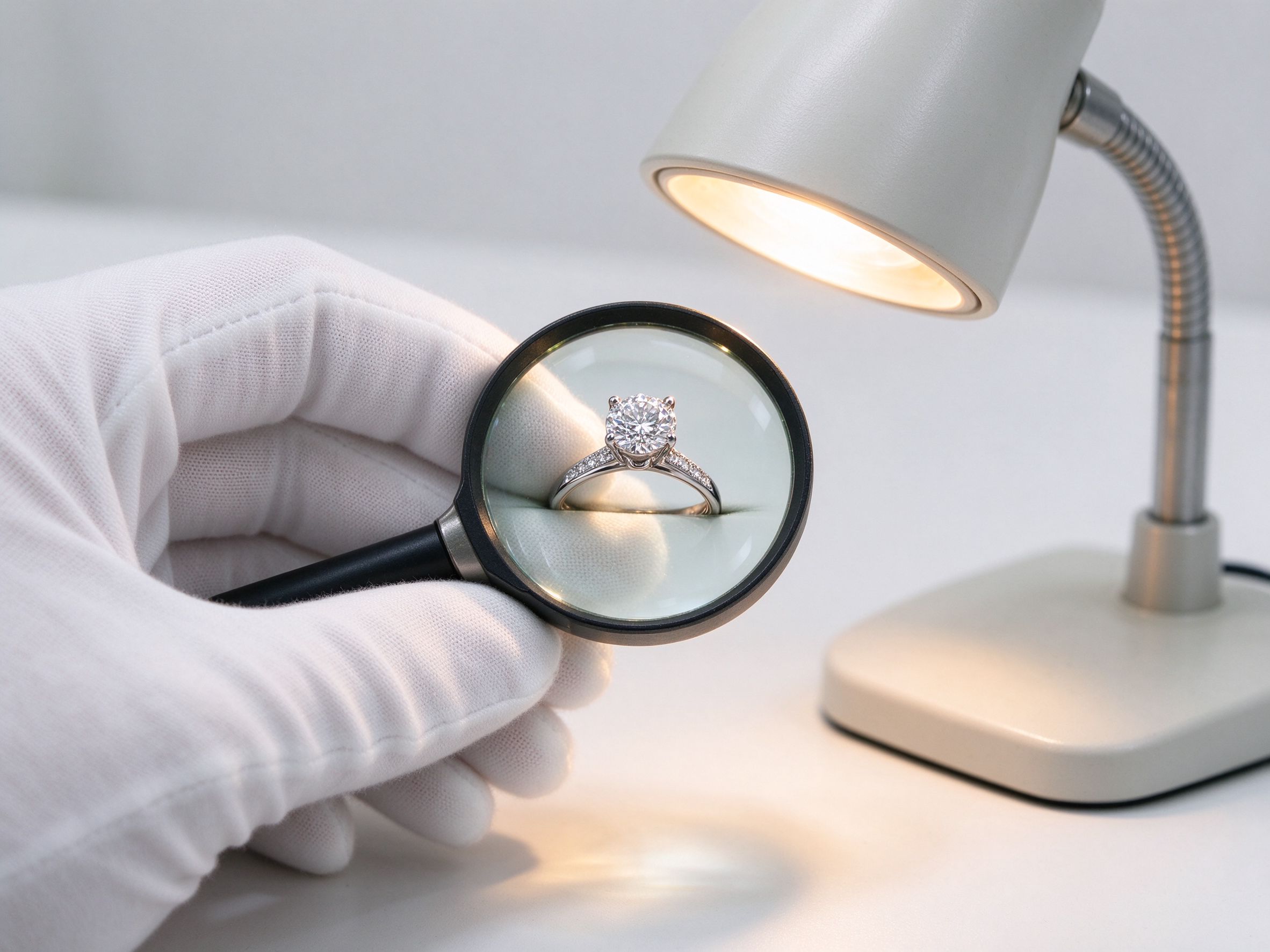
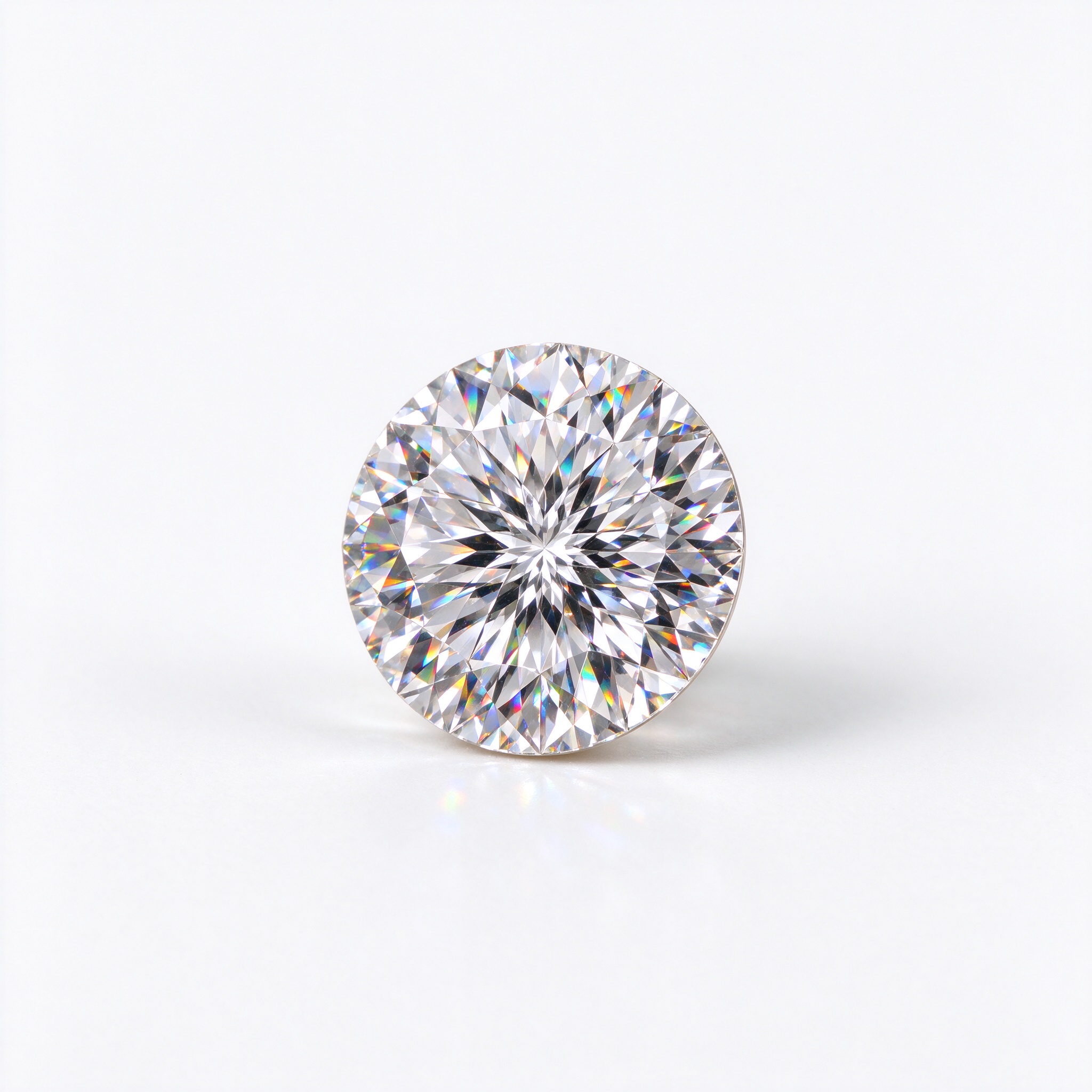
Manufacturers sort loose moissanite against master stones under 6,500K daylight-equivalent lamps, face-up and face-down. The trade borrows the letter scale from GIA's 4Cs color framework, but the bands are wider in practice: D–F reads colorless to the eye, G–H reads near-colorless, and I–J shows a warm tint on larger stones. On a 6.5 mm round the difference between F and H is visible only when the stone is unmounted and compared side by side with a master set; mounted in a solitaire, most customers cannot separate them.
The reason that matters for bulk buyers is price. Across our 2025 order book, D–F sorted rounds carried a 22–28% unit premium over G–H of the same cut and size. That premium is real money tied up in stock that moves slower. The bulk round pricing guide shows how that premium compounds across a 50-stone parcel.
Where D–F earns its keep
D–F stock is not wasted; it is the right call for specific demand. It sells through fastest in three situations:
- Engagement solitaires above 1.5 carat equivalent. Larger stones show body color more easily, and the engagement buyer is comparing directly against a diamond or lab-grown ring. A colorless face-up removes an objection.
- White-metal halo and pavé settings. Platinum and white gold exaggerate any warm tint, so a D–F center stone reads cleaner next to bright white metal.
- Accounts serving high-end bridal clients. These customers expect the top grade and will pay for it; skimping costs the sale, not just the margin.
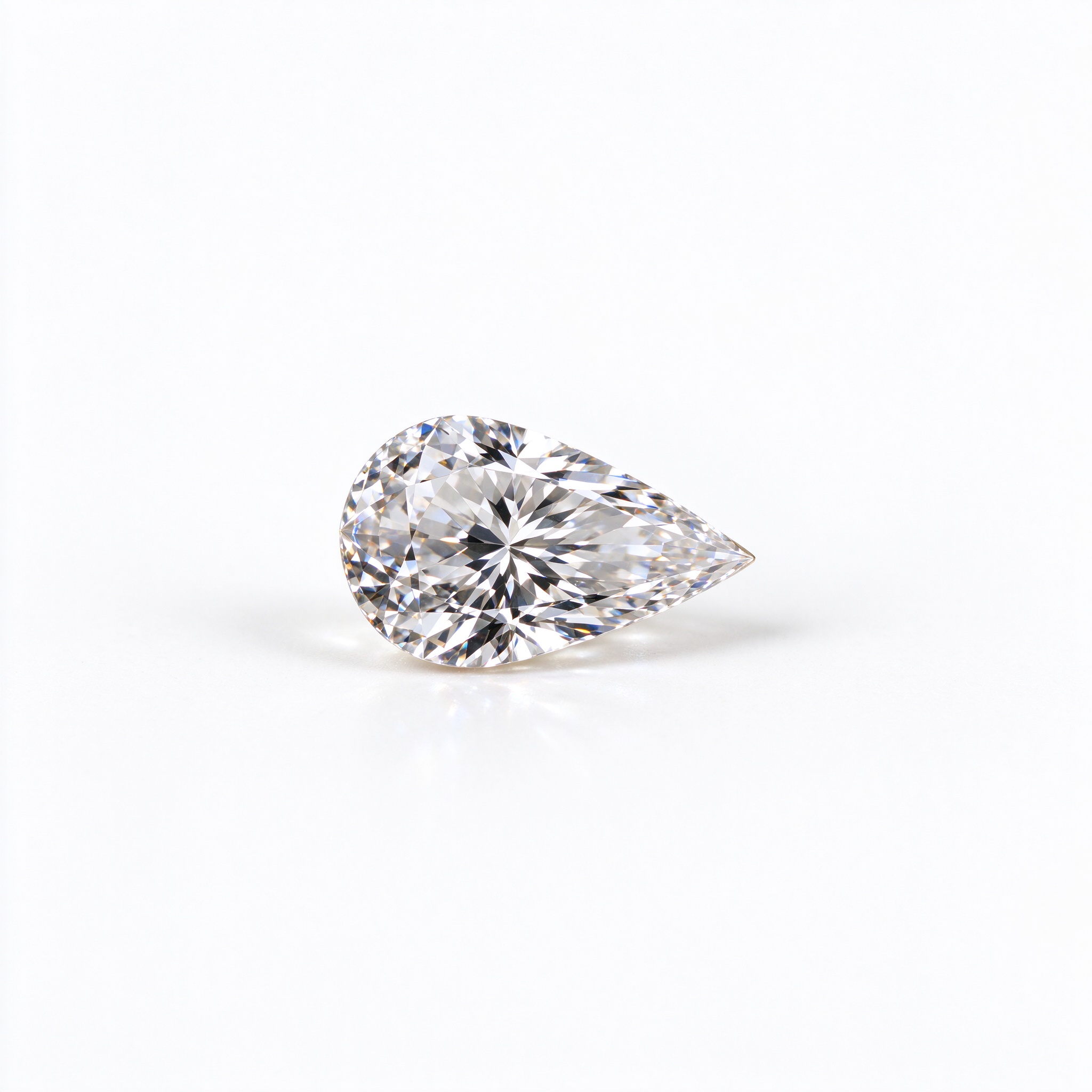
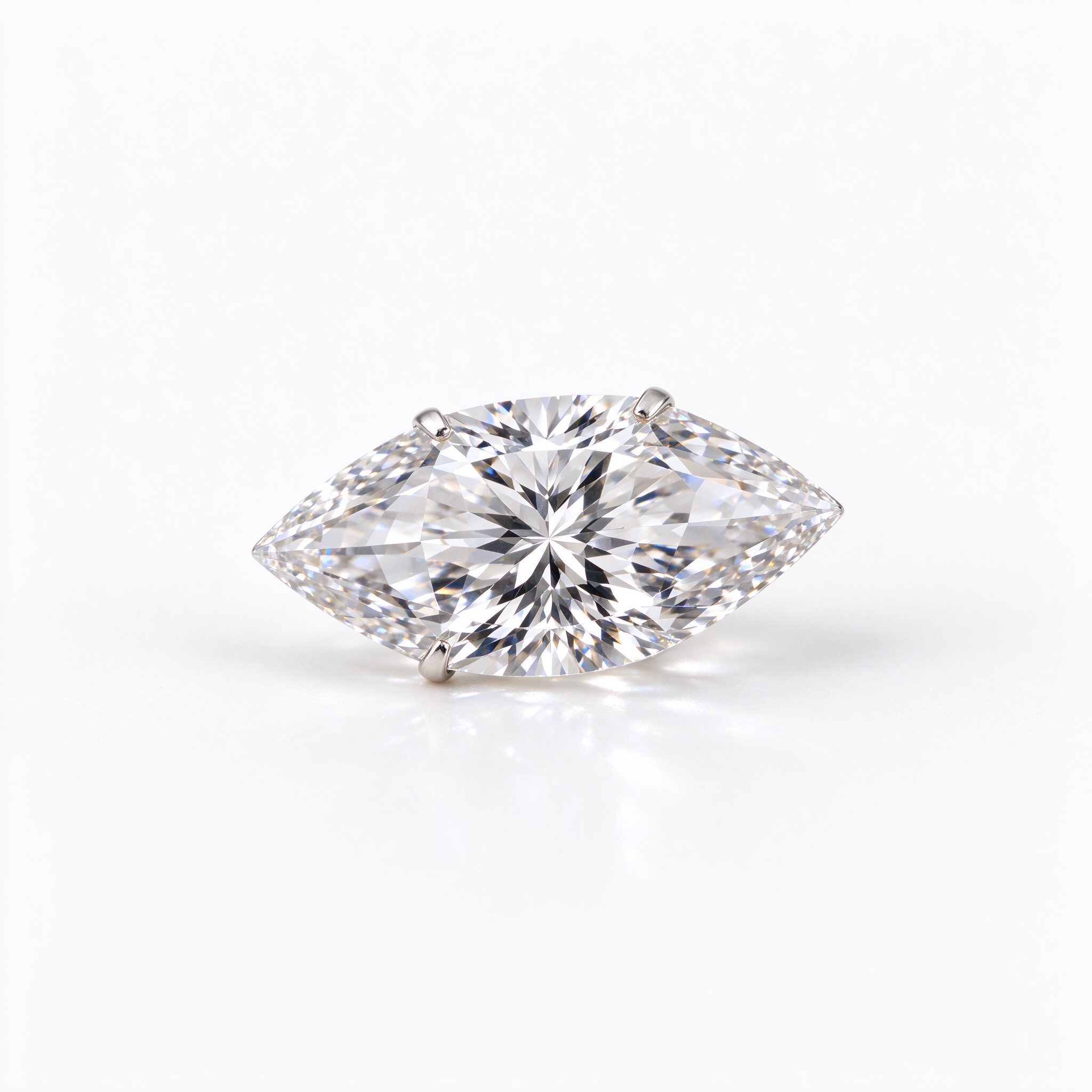
For studs, wedding bands and everyday fashion pieces, G–H is the workhorse. The warm tint reads as a soft champagne glow rather than a flaw, and the lower cost lets the retailer price competitively. See how step-cut color reads face-up for why shape changes the color equation entirely.
The split that clears fastest
Across accounts that reorder regularly, the highest cash-turn split in a mixed round parcel is roughly 40% D–F, 55% G–H, and 5% I–J for the budget tier. Buyers who push 70%+ into D–F tie up capital and end up discounting the excess at year end. Buyers who go 90% G–H lose the bridal customer who asks for the whitest stone. The middle split turns over about twice per year faster than either extreme.
Clarity interacts with color too. A VS-equivalent G stone in a round brilliant hides its tint behind dispersion; an SI stone in a step cut does not. If you are mixing shapes, sort color per shape rather than applying one parcel-wide grade. The step vs brilliant comparison explains why.
Frequently Asked Questions
Is D color moissanite worth the wholesale premium?
Only for engagement solitaires above 1.5 carat equivalent and white-metal settings. For studs, bands and fashion stock, G–H sells just as fast at a 22–28% lower cost per stone.
Can customers tell F from H on a mounted stone?
Almost never on a round brilliant under retail lighting. The gap shows up unmounted, side-by-side against a master set, or next to a genuine diamond on the same finger.
Why does moissanite hide color better than diamond?
Higher dispersion (about 0.104 versus diamond's 0.044) scatters rainbow light across the face-up view, masking faint body tint. That is why a G–H moissanite can read whiter than a G diamond to the untrained eye.
Should I sort by D–F and G–H per shape or per parcel?
Per shape. Step cuts read color more plainly than brilliants, and larger fancy shapes show tint faster than small rounds. A single parcel-wide grade overspends on some stones and undersells others.
What happens to I–J moissanite stock?
It moves in rose-gold and yellow-gold fashion pieces, where the warm tint complements the metal. Keep it under 5% of a first order and route it to accounts that sell colored-metal jewelry.
Request a color-sorted sample parcel: 10 stones split D–F and G–H across 5.5–7.0 mm, each with a GRA certificate and a master-color comparison card, shipped DDP in 5 business days. Open a wholesale account for tiered color-grade pricing, or read the round best-seller guide before you size your next buy.