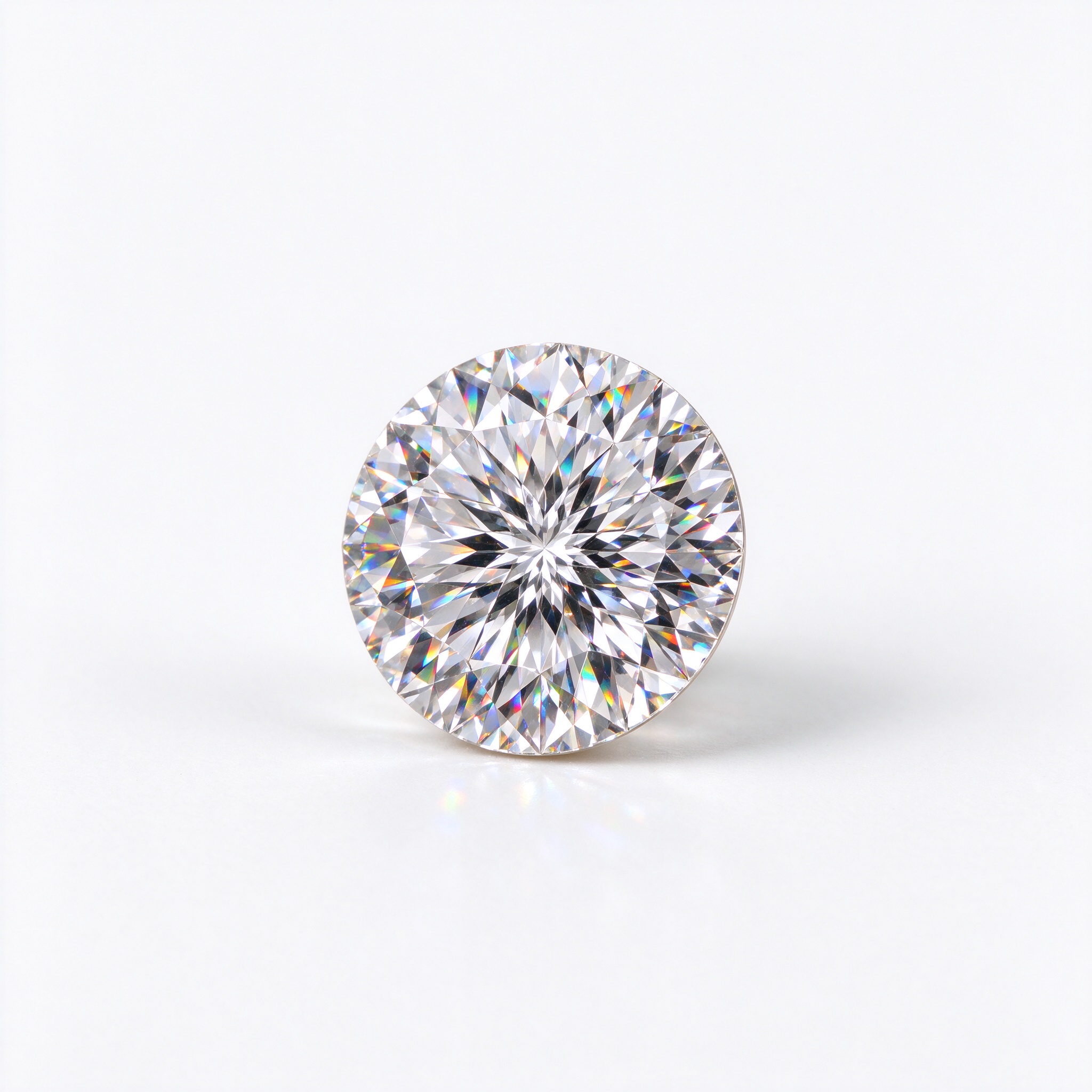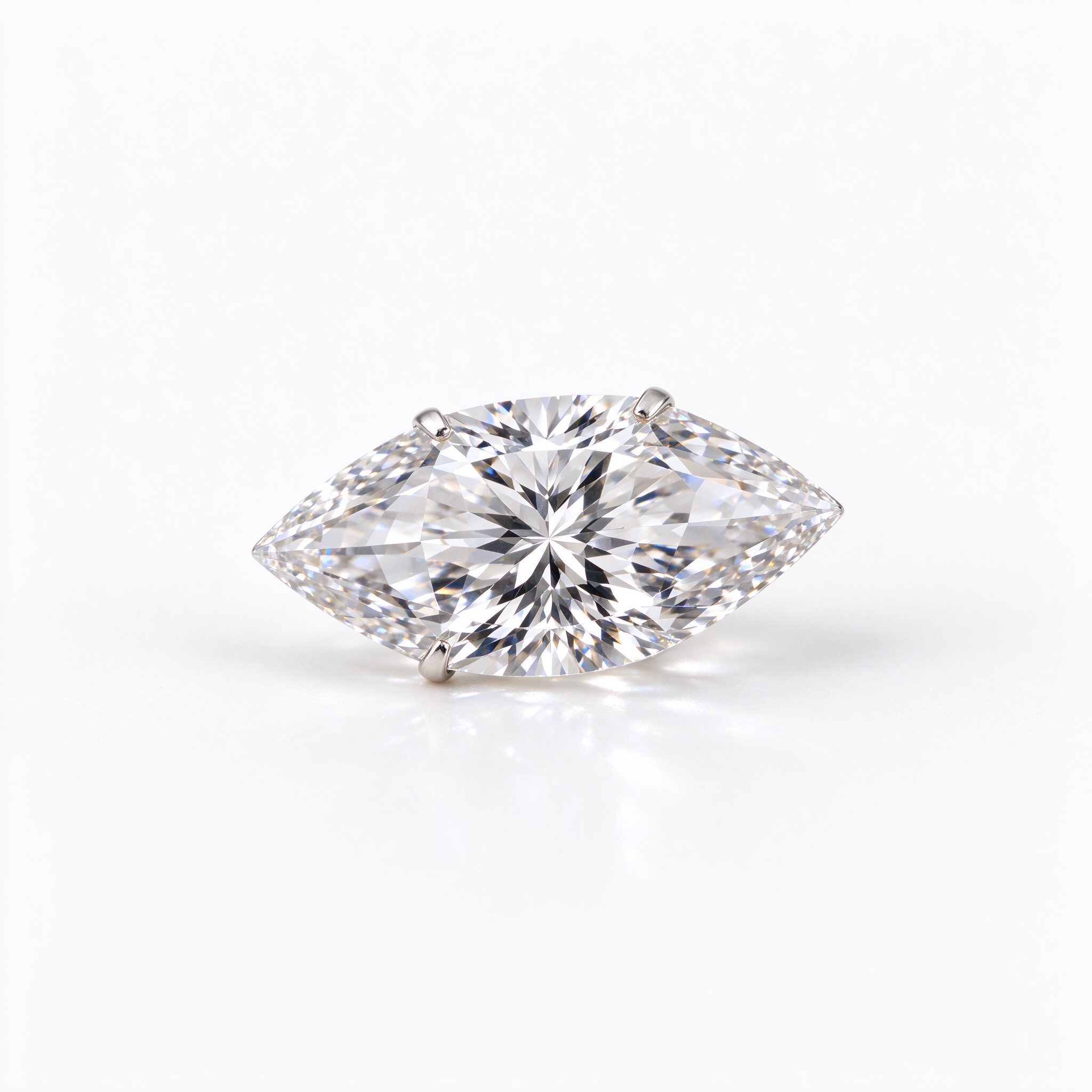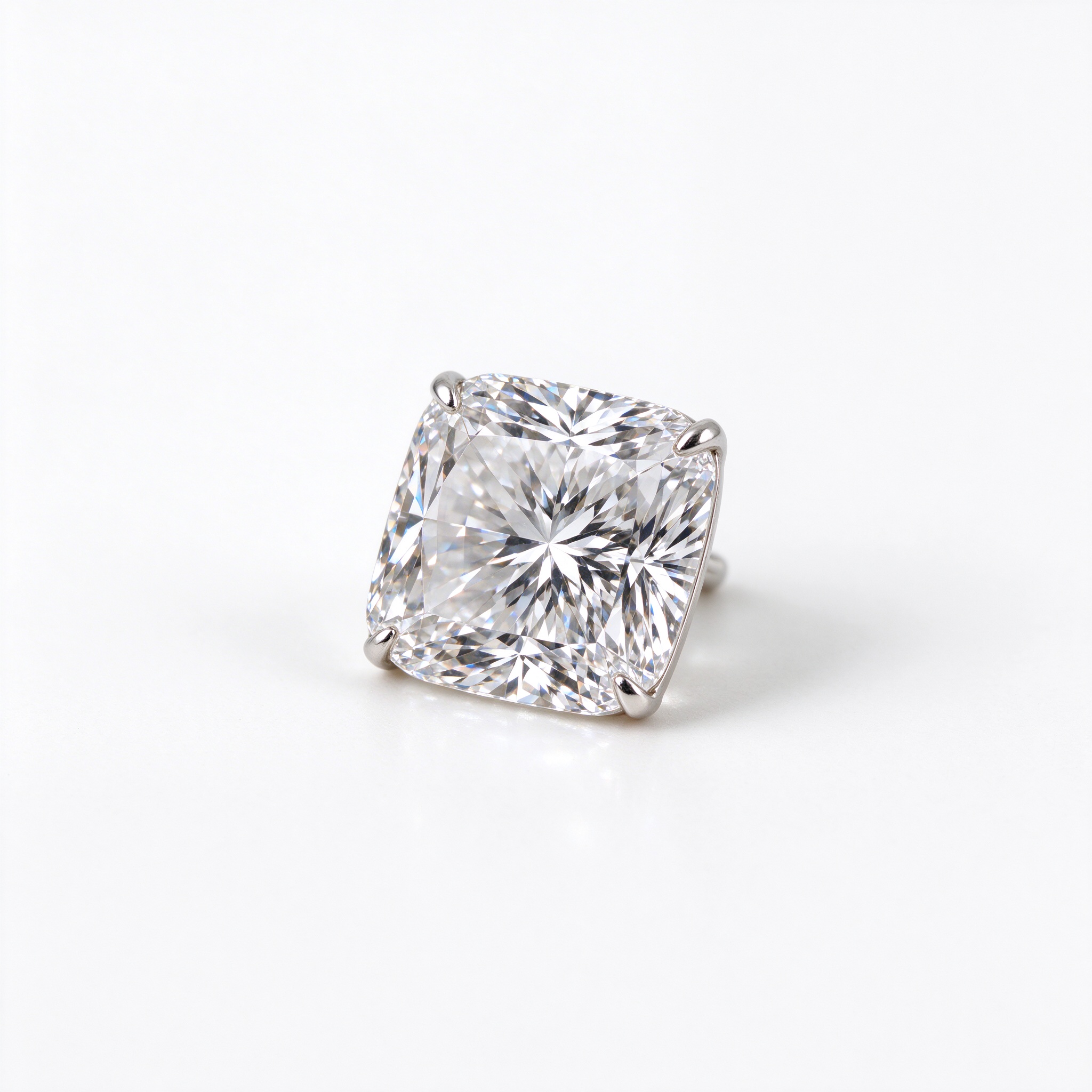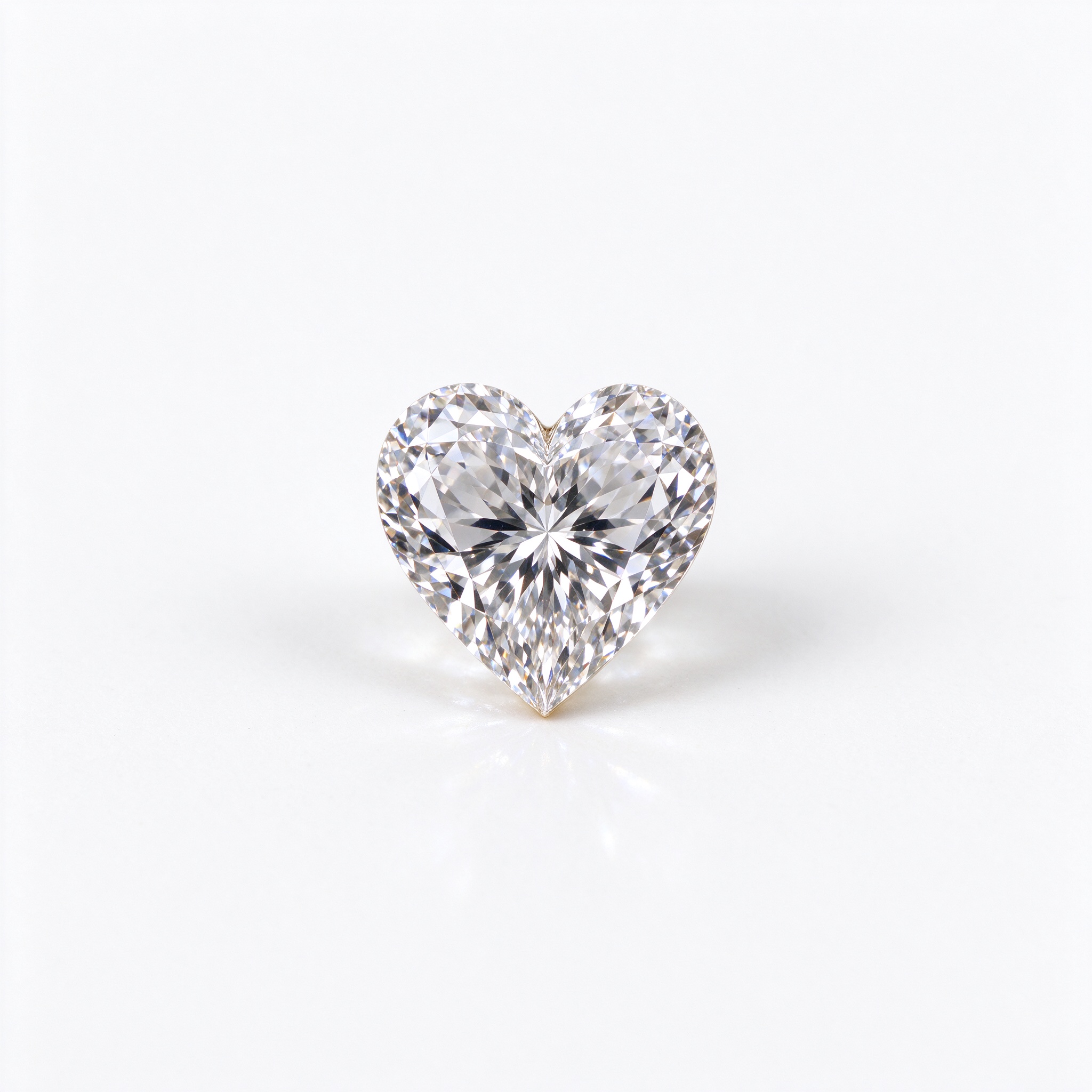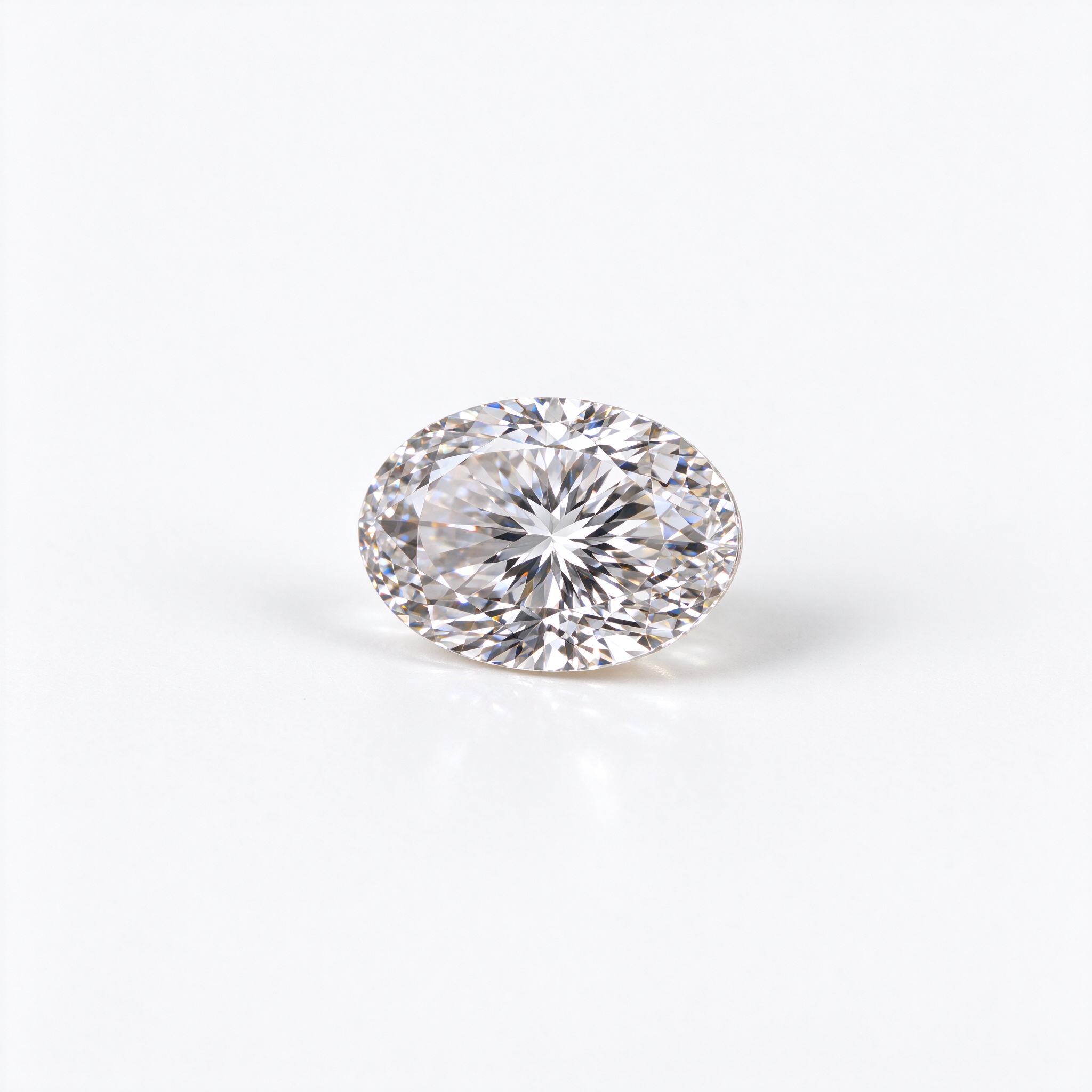
A buyer in Düsseldorf ordered 30 oval moissanite studs, checked them one at a time under a loupe and shipped them to a retail chain. Two weeks later the chain returned six pairs. The stones were fine individually; in every returned pair one stone read visibly warmer than its mate. Stud earrings are judged side by side, and that single fact makes pair matching a different procurement problem from buying singles.
Wholesalers who treat pairs as two independent stones eat return rates that run 3–4x higher than singles. This article covers the tolerance to spec, the measurement points that actually matter, and the unpacking QC that catches mismatches before they reach a customer.
Why pairs are judged differently from singles
A loose stone sitting in a tray is viewed in isolation. An earring pair is viewed symmetrically, one on each ear, under the same overhead light. The human eye is extremely good at detecting asymmetry between two near-identical objects: a half-grade color jump that no one notices on a solo ring becomes obvious on a pair of studs. Moissanite's high dispersion makes this trickier, because rainbow fire can mask a tint on one stone while exposing it on another depending on facet orientation.
Pair matching therefore has to be done in the same conditions the end customer will see: 6,500K daylight lamp, face-up, both stones side by side, rotated together. Checking under warm store lighting hides mismatches that then show up under the customer's daylight window.
The tolerances that resellers accept
Spec a matched pair to these bands and your return rate on earrings drops sharply:
- Color: both stones within one letter-grade band (both G, or both H) and no more than a half-grade visual difference under the master set. Never pair a D with an F and call it a D–F pair.
- Carat weight: within 3–5% of each other, so the pair sits balanced in the ear. On ovals, length should match within 0.10 mm and width within 0.08 mm.
- Face-up size: measured through the setting, not from the certificate. Two 7x5 mm ovals can look different if one is cut deeper.
- Symmetry and orientation: for pear and heart pairs, the stones must be oriented the same way (point to point) because a mirrored pair reads wrong on the ears.
Ovals are the highest-volume earring shape and the hardest to match because length-to-width ratios vary. The oval face-up size guide shows how ratio changes alter the apparent size of a pair. Heart and pear pairs carry the same orientation risk; see the heart symmetry pairing guide.
Unpacking QC that catches the problem early
Even with a reliable supplier, do your own pair check. Lay every pair on a white tray under a daylight lamp, flip both stones face-up, and look for three things: a color jump, a size mismatch, and a lopsided bow-tie that differs between the two ovals. Photograph each pair on a neutral grey card before you stock it; the photo catches mismatches that the eye misses on first glance and gives you a reference if a retailer disputes the pair later.
Price pairs at a 12–18% premium over two singles. The matching work, the QC time and the lower return rate justify it, and retailers accept it because their own return rate on mismatched earrings is far more expensive than the premium. For context on per-unit economics, the retail margin breakdown shows where that premium lands.
Frequently Asked Questions
How much color difference is acceptable in a matched pair?
No more than half a visual grade, and both stones must fall in the same letter band. A D paired with an F should be rejected even though both are "colorless" on paper.
Do oval moissanite studs mismatch more than round studs?
Yes. Oval length-to-width ratios and bow-tie intensity vary stone to stone, so ovals need tighter size and symmetry matching than rounds, which cut closer to a standard.
Should I buy pre-matched pairs or match singles myself?
Buy pre-matched pairs from a supplier who photographs them under daylight. Matching from a singles tray costs more labor and still misses orientation issues that matter on earrings.
What carat tolerance keeps a pair balanced on the ear?
Within 3–5% by weight, and within 0.10 mm on length for ovals and pears. Beyond that the pair reads lopsided once mounted.
How do I handle a retailer who returns a "mismatched" pair?
Keep your grey-card photos. Most disputes resolve when you compare the retailer's photo under warm store light against your daylight photo. If the mismatch is real, replace the pair rather than argue.
Request a matched-pair sample pack: 5 pairs (2 round studs, 2 oval studs, 1 pear drop), daylight-photographed, color-sorted within half a grade, each pair GRA-certified, shipped DDP in 5 business days. Open a wholesale account for pair-tier pricing, or check the pear bow-tie guide before ordering fancy-shape pairs.