A wholesaler in Toronto restocked 30 round moissanite stones in the 5.0–6.5 mm bracket on a Monday and was reordering by Friday. The same week they sat on four fancy-shape stones above 2 carat equivalents. That gap repeats across accounts: round brilliants are the working SKU of the moissanite trade, and the numbers behind that repeat order are worth understanding before you size your next parcel.
Round moissanite still accounts for roughly 60–65% of loose-stone volume in our order book, even after oval and pear demand doubled between 2022 and 2025. This article explains why, where the margin actually sits, and how to buy rounds without overpaying for a cut grade you cannot resell.
Why the round brilliant outsells every fancy shape
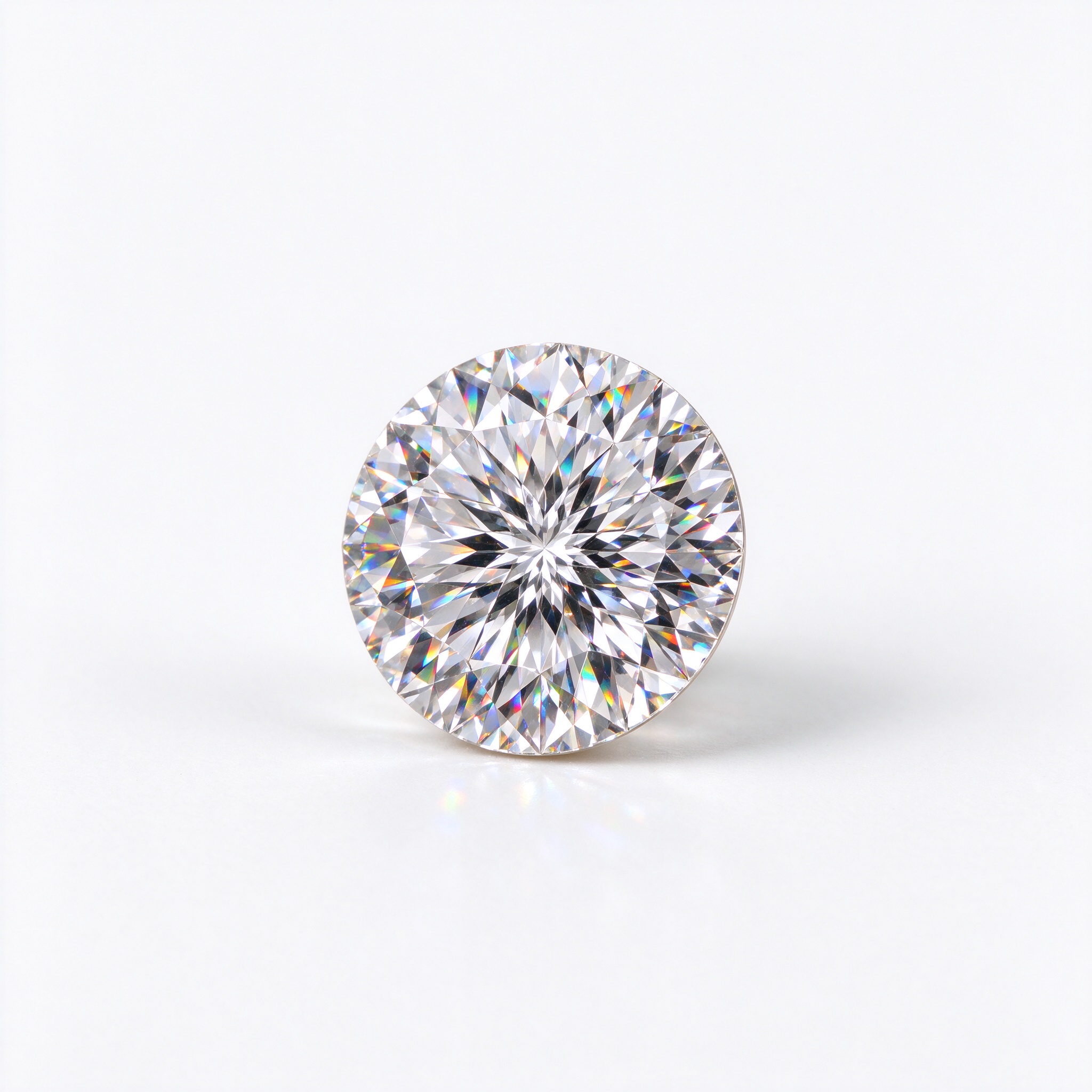
The round brilliant is the only cut engineered from first principles for light return. A modern round carries 57–58 facets, and when cut to a table of 54–60% and a depth of 59–63%, it returns most of the light hitting the crown back through the table. GIA's 4Cs framework was built around this geometry, and consumer expectation of a bright stone is calibrated to it. A customer who has never bought a fancy cut already knows what a round is supposed to look like.
For the retail buyer, that translates into three concrete advantages that show up in your sell-through:
- Setting compatibility. Every solitaire, halo, pavé and cathedral head made for a round diamond accepts a round moissanite with no custom work. Oval, pear and marquise require head-specific stock that a small store rarely carries.
- Lower return rate. Rounds are the most forgiving cut on a sales floor. A round that is slightly off-color or slightly deep still looks bright under retail lighting; a fancy shape with the same flaw reads as obvious. Our measured return rate on round parcels runs about half the rate on fancy shapes.
- Price comparison is easier, which helps you. Customers already compare round prices online, so a moissanite round priced at 70–80% below a comparable lab-grown round sells itself without a sales pitch.
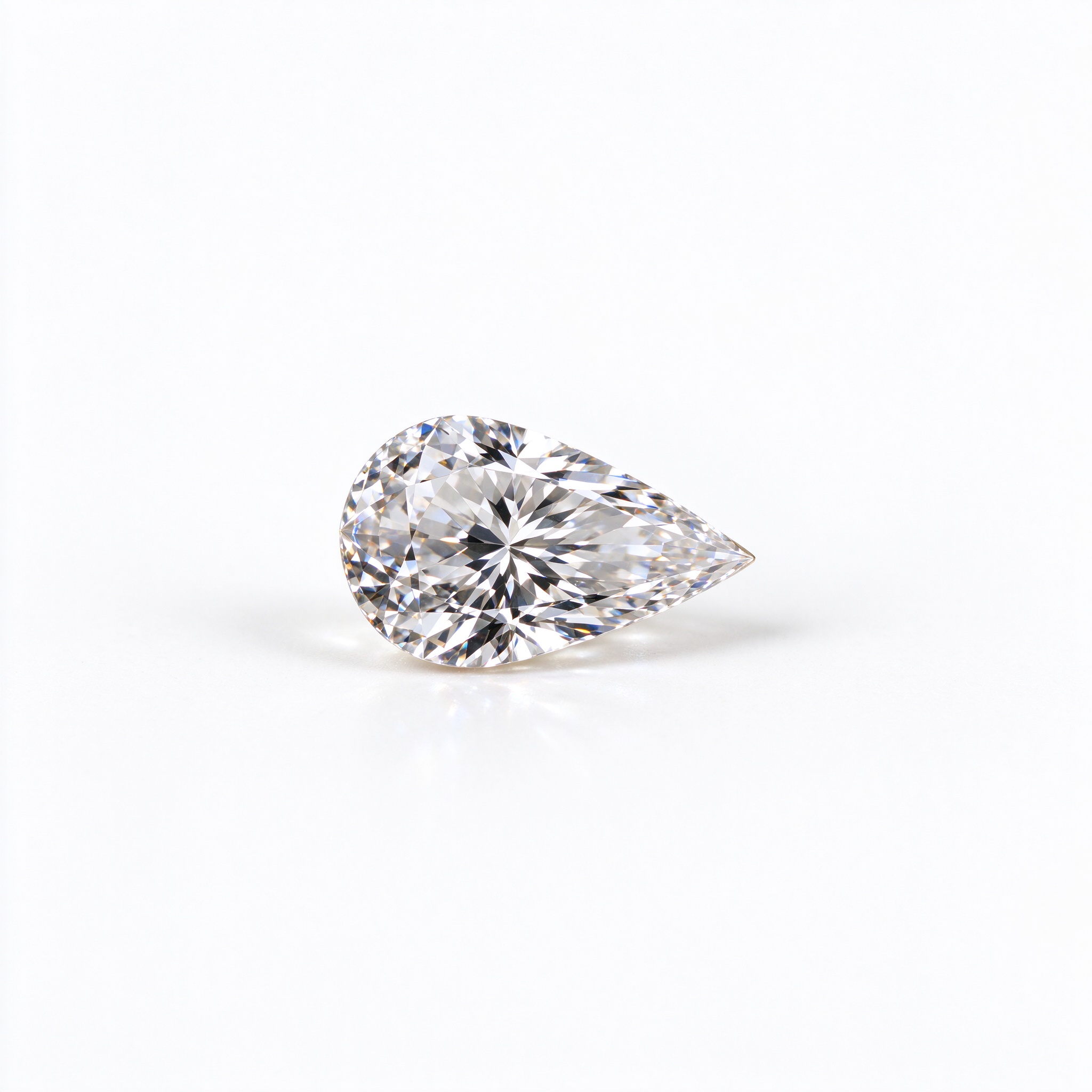
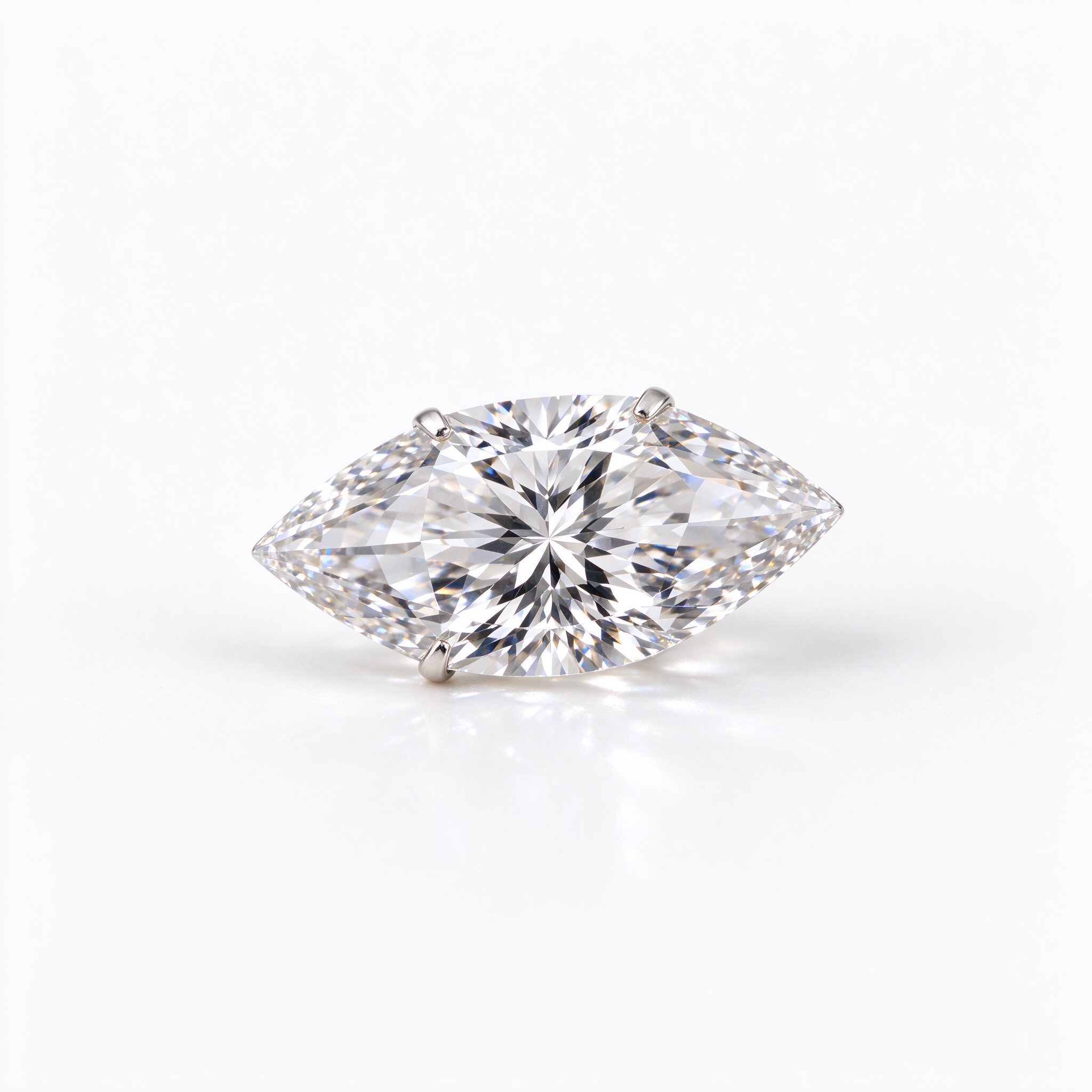
Moissanite's physical properties favour the round cut as well. With a refractive index of 2.65–2.69, higher than diamond's 2.42, and dispersion near 0.104, moissanite returns and separates more light than diamond; that advantage is easiest to read in a tightly cut round. Fancy shapes can waste that dispersion through windows and bow-ties. See the oval buying guide for where fancy shapes win on size per carat.
Where the margin sits inside a round parcel
Not every round in your catalog earns the same margin. The 6.5–7.0 mm bracket (roughly 1.0–1.2 carat equivalent) is the highest-turnover size: it matches the most common engagement budget and the most in-stock heads. Stones below 5.0 mm move in wedding bands and studs but carry thin per-unit margin. Stones above 8.0 mm (2.0 carat equivalent and up) carry the best percentage margin but a 3–4x slower turn.
A balanced opening round parcel for a boutique usually looks like this:
| Size bracket | Share of parcel | Typical reorder cycle |
|---|---|---|
| 4.0–5.0 mm | 15% | 4–6 weeks |
| 5.5–6.5 mm | 50% | 2–3 weeks |
| 7.0–8.0 mm | 25% | 6–10 weeks |
| 8.5 mm+ (anchor stones) | 10% | 3–6 months |
Buying straight carat-for-carat without this size ladder is the most common reason small boutiques tie up 60% of their round budget in stones that take a quarter to move. We also recommend keeping one showcase stone at 8.0 mm for the window display; it rarely sells to walk-ins but it pulls the customers who then buy the 6.5 mm piece.
Cut tolerances that matter in bulk rounds
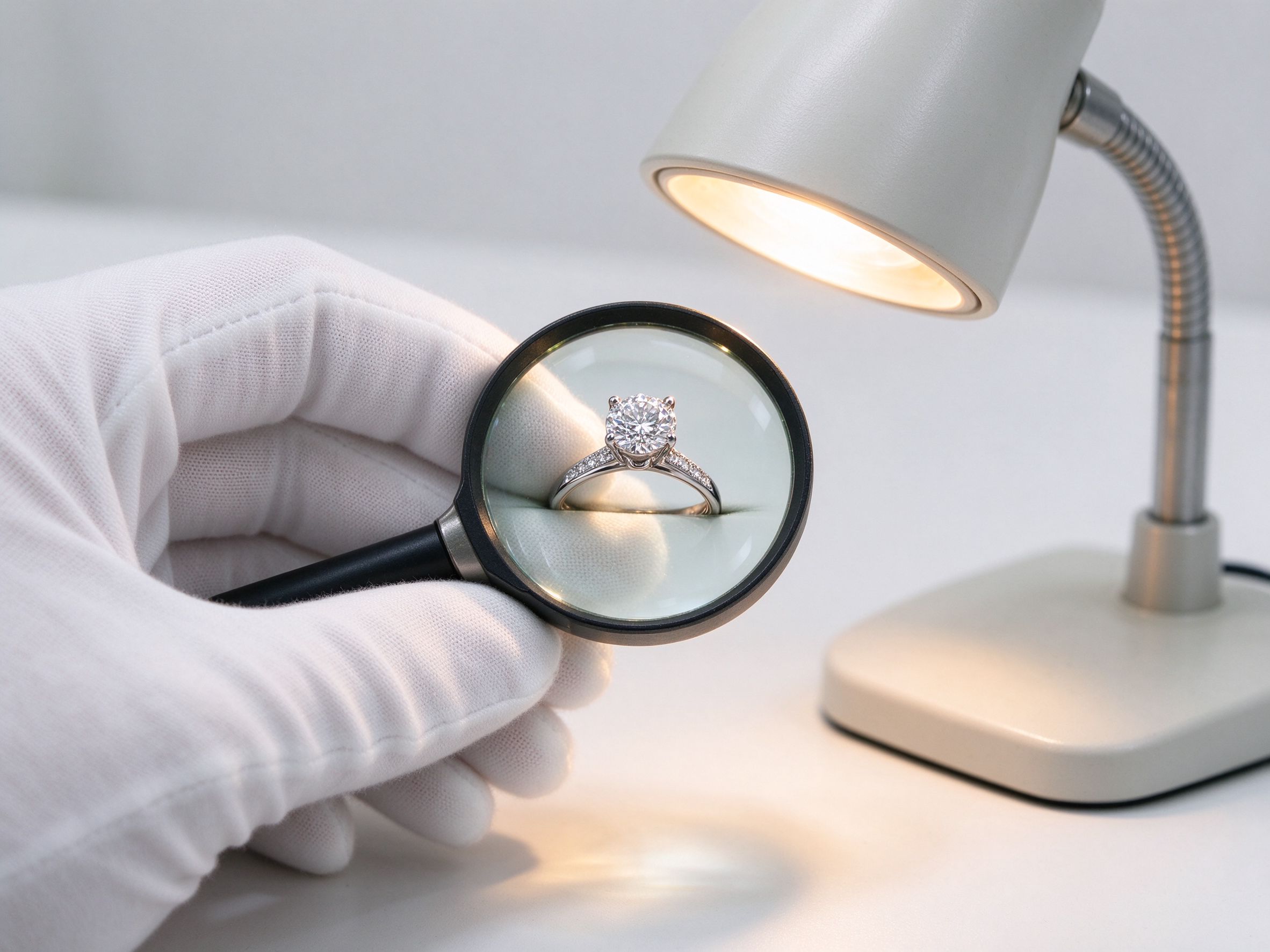
Moissanite is doubly refractive, which means facet edges show as doubled when viewed through the stone. A poorly cut round amplifies this into a fuzzy look under magnification. Incoming inspection on a round parcel should hold table 54–60% and depth 59–63%; outside this window you get either a flat, dead stone or a dark, nail-head centre. The girdle must be finished, not bruted, because a rough girdle reads as a gray ring around the stone in direct light. Color must be D–F sorted: bulk trade habit lets H-and-better stones into round parcels, and at face-up on a white-glove tray the warmth shows.
Every stone ships GRA-certified with a matching laser inscription. For accounts selling into the US jewellery channel, IGI documentation can be provided alongside, which matters because many retail customers still recognize IGI report numbers. The moissanite reference on Wikipedia is also a useful handout for staff explaining why a moissanite is not diamond and not a lab-grown diamond.
Pair rounds with the right adjacent stock
Rounds sell fastest when the counter also carries the shapes customers trade up to. Stock 2–3 oval stones for every ten rounds, because a meaningful share of round lookers leave asking what about an oval. Add chunky vs crushed-ice cushion options for the vintage buyer, and keep one square radiant as the bridge between round sparkle and rectangular lines. Accounts that stock only rounds top out at roughly 60% of the attach rate of accounts that carry three shapes.
Frequently Asked Questions
What share of my loose-stone budget should go to rounds?
Plan for 55–65% rounds in a first-time open order. Below 50% you lose liquidity; above 70% you compete on price alone and miss the step-cut and oval margins. Adjust by local demand after the first two reorders.
Why do round moissanite stones sell faster than fancy shapes?
Setting compatibility and consumer familiarity. Rounds fit every head in a standard shop inventory, and customers already know how a round should look, so the decision path at the counter is shorter.
Do rounds carry worse margins than fancy cuts?
Percentage margin is narrower on rounds, but turnover is 2–3x faster, so annualized gross profit per dollar invested is usually higher. Step cuts win on percentage; rounds win on cash velocity.
What size round moves fastest for engagement?
The 6.5–7.0 mm round (about 1.0–1.2 carat equivalent) is the highest-volume bracket and should be roughly half your round stock.
How many stones per size bracket should I open with?
A 20-stone opening round parcel: 3 small (4.0–5.0 mm), 10 mid (5.5–6.5 mm), 5 large (7.0–8.0 mm), and 2 anchor stones at 8.5 mm or above.
Request a round sample parcel: 6 stones across the 5.5–8.0 mm brackets, GRA-certified, D–F sorted, shipped DDP in 5 business days. Open a wholesale account for tiered pricing, or browse our princess corner-protection guide if you are expanding beyond rounds.