Start with the anchor, not the exotic
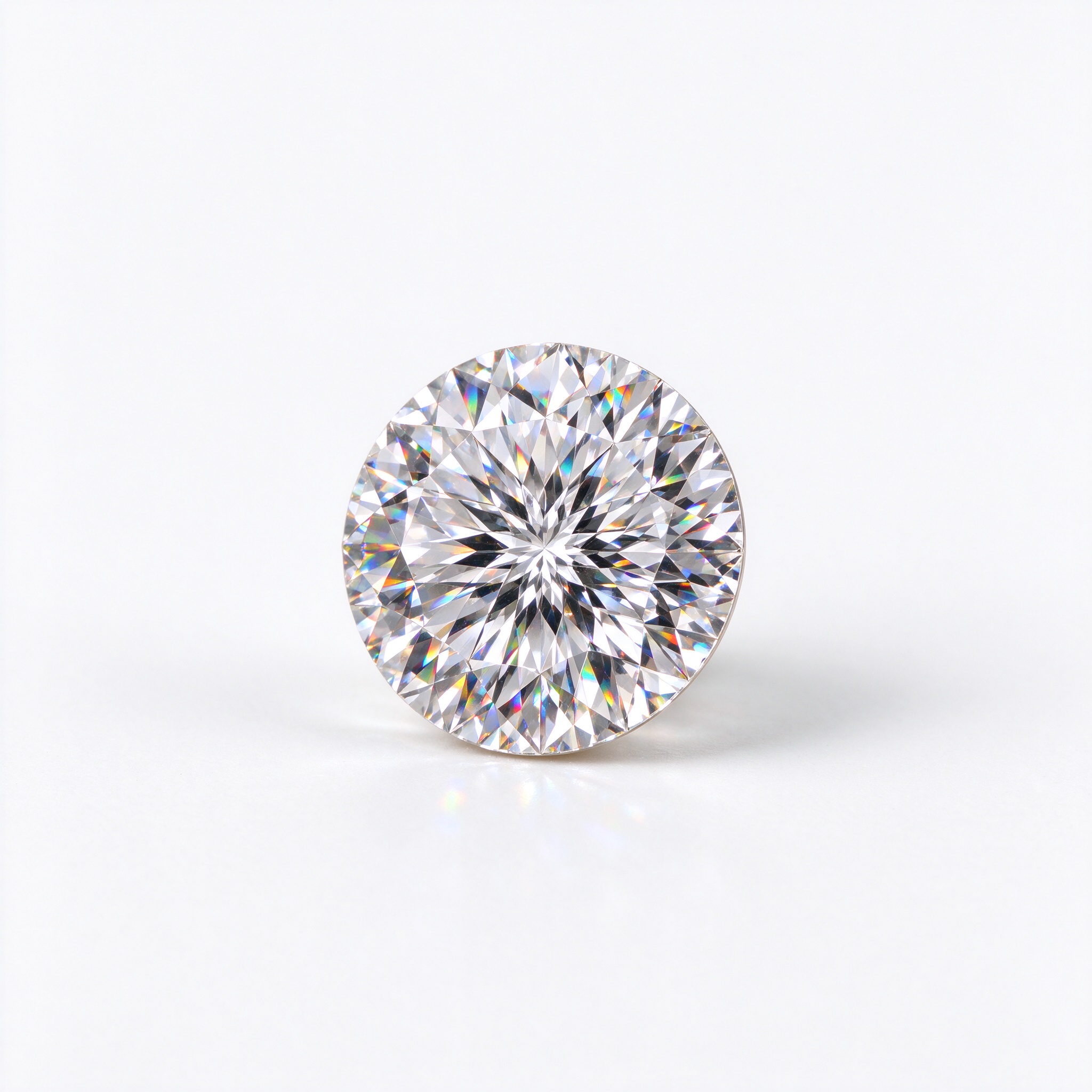
Most buyers open a wholesale line sheet by scanning the most interesting shape on the page. The profitable approach runs the other direction. Build the order around the cut that already pays your rent — for nearly every independent store that is the round brilliant — and let the rest of the budget follow demand signals rather than curiosity. Rounds move, they size consistently, and customers already understand what one looks like, which means fewer returns and fewer "is this supposed to look like that?" conversations at the counter.
That does not mean filling a case with nothing but rounds. It means treating the round brilliant as the baseline against which every other cut is measured. When you compare an oval to a round on price, face-up size, and sparkle, you are not shopping shapes — you are deciding what percentage of your loose-stone drawer should leave the baseline.
The four checks every cut order should pass
Before committing open stock on any cut, run it through four checks:
- Demand evidence. Has a customer actually asked for this shape in the last quarter, or are you buying it because it looks good on a supplier photo? One named request justifies a single stocked stone. Repeated requests justify a size range.
- Setting compatibility. Some cuts demand specific hardware. A pointed marquise needs reinforced tip prongs; a step-cut emerald needs a bezel or halo to absorb corner knocks. Factor the setting cost into your landed price, not just the stone price.
- Certification and grading. Confirm the stone ships with a GRA certificate matching carat, color, and cut grade, and that the certificate number is micro-engraved where your client can verify it. Wholesale lots that arrive without matching certs cost more to resolve than the discount they offered.
- Reorder lead time. A cut you cannot reorder in two weeks is a cut you cannot sell twice. Ask whether the shape is stocked or cut-to-order, and quote that lead time to your own customers before promising a date.
How cuts tier in a balanced inventory
A workable loose-stone drawer at the independent level splits into three tiers. The core tier — roughly 60 to 70 percent of your open-stone budget — holds rounds in 0.50 to 2.00 carat equivalents, ready to drop into silver or gold mountings. The fashion tier — another 20 to 25 percent — covers the shapes that drive foot traffic: ovals, cushions, pears. The specialty tier — the remaining 10 to 15 percent — absorbs the requests that walk in off the street: hearts, trillions, asschers, marquises. Over-index on the specialty tier and you are running a museum, not a store.
The round brilliant earns its place as the anchor because its proportions are forgiving. A well-cut 5.0mm round returns light from every angle, hides minor inclusions better than any step cut, and reads as "diamond" to the average shopper on first glance. When a supplier quotes a round and a cushion side by side, the round almost always wins on speed — and in wholesale, speed is margin.
Size matters more than carat equivalent
Moissanite is sold by carat equivalent, but mountings are drilled by millimeter. A 1.00-carat round measures roughly 6.5mm; the same nominal weight in an oval or cushion can land 6.8mm by 4.8mm, and the setting you picked out of a catalog may not seat it. Always ask the supplier for both the carat equivalent and the physical mm dimensions, and keep a small mm-to-weight reference card behind the counter. This single habit eliminates a surprising number of "the stone doesn't fit" emergencies.
How to test a new cut without committing open stock
Every buyer wants to try a fashionable shape before betting a tray slot on it. The low-risk way to do that is to order a single stone — one sample, in the most popular mm size — and let it sit in the case for two months. If two customers ask about it and one buys, you have earned a reorder. If no one touches it, you have lost the cost of one stone, not the cost of a size run. This is how you discover whether the local market actually wants heart or asscher before you tie up five SKUs. Wholesale relationships reward honest data, not optimism.
What to ask your supplier on the first call
Two supplier questions separate serious vendors from catalog mills. First, ask whether the cut is measured by mm or by carat weight, and get both numbers in writing. Second, ask for the stone's actual color grade on a D-to-F equivalent scale and whether any coating or treatment has been applied to improve white appearance. A stone that looks grey under warm store lighting but ice-white in a supplier photo will come back to your counter, not theirs.
Buyers who work this framework consistently report fewer slow-moving stones at season end and a tighter relationship with the supplier, because they place repeat orders on the cuts that move instead of gambling on a new shape every quarter. For the full range of shapes and sizes, browse our loose moissanite selection before you place your next open-stone order.