Pear Cut Bulk Supplier: MOQ and SKU planning
Understanding MOQ Flexibility for Pear Cut Bulk Orders When you’re building a catalog that features pear‑cut stones, the minimum o…
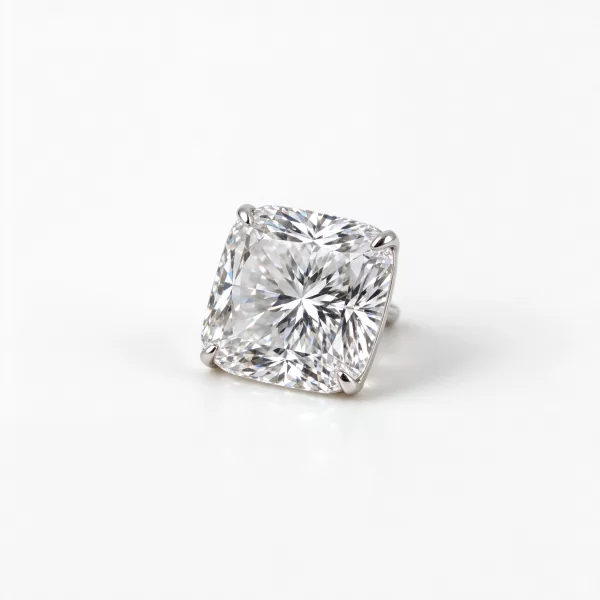
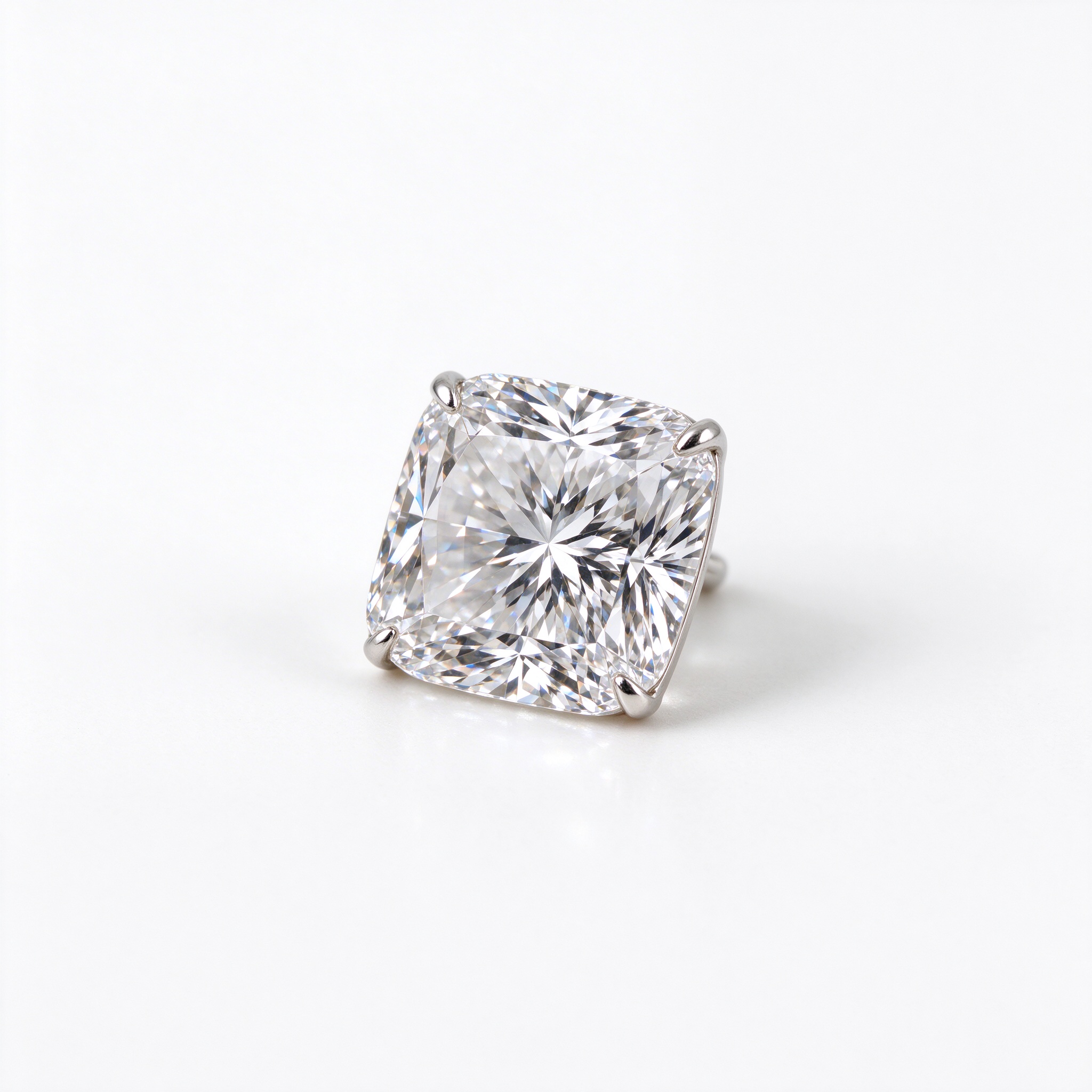
The cushion cut is named for its pillow-like shape: a square or rectangle with rounded corners and pavilions that give it a soft, plush appearance. It is one of the oldest cut styles, dating back to the old mine cuts of the 18th century. Today, it is one of the most popular engagement ring shapes.
Cushion cut is loved because it offers the best of both worlds: the brilliance and fire of a round combined with the distinctive shape of a square. The rounded corners are flattering on the hand and less prone to chipping than sharp-cornered shapes like princess.
When buying cushion moissanite, you need to choose between two proportions:
At HOLYCOME, we stock both styles. The elongated cushion is our best seller because it flatters most hand shapes and reads as a modern engagement ring. The chunky cushion appeals to customers who want a vintage or antique look.
Modern cushion cuts often feature "crush" or "crushed ice" faceting. This is a dense pattern of small facets that creates a soft, fragmented sparkle. It looks like light is being crushed through ice. This style is popular for moissanite because it enhances the stone's already strong fire.
Alternative cushion cuts have larger, more open facets that show a cleaner reflection. This is closer to the classic cushion look. Both styles are valid. The crush style is more fashionable; the open style is more timeless.
Cushion cut has become a top-three engagement ring shape for several reasons:
The 7x8mm elongated cushion is the sweet spot. It offers the soft square look at a price point that converts well.
Within the cushion cut family, there are two distinct faceting styles. Understanding the difference is essential for buying the right stones for your market.
Classic cushion faceting has larger, more open facets that reflect light in broad, clear flashes. This style is closer to the antique old mine cuts that inspired the modern cushion. It has a clean, elegant appearance. The fire is present but not overwhelming. Classic cushion looks like a vintage diamond and appeals to customers who want a timeless, heirloom feel.
Crushed ice cushion faceting has a dense pattern of small facets that create a fragmented, sparkling effect. The light is broken into countless tiny reflections that look like light through crushed ice. This style is more contemporary and fashion-forward. It maximizes the strong fire that moissanite is known for. Crushed ice cushion is the dominant style in modern moissanite engagement rings.
At HOLYCOME, we primarily stock crushed ice cushion because it is the most in-demand style. We also offer classic cushion on request. When buying, ask your supplier which faceting style they use. The two styles look very different, and customers often have a strong preference.
The soft, rounded corners of the cushion make it exceptionally versatile in settings:
Cushion works beautifully in all three metal colors. White gold and platinum give a modern look. Yellow gold gives a vintage look. Rose gold gives a romantic look. This versatility is why cushion is such a popular shape.
The first mistake is confusing cushion with princess. Cushion has rounded corners; princess has sharp corners. They look similar in outline but are distinctly different. Make sure you order the right shape. When in doubt, look at the corners: rounded means cushion, sharp means princess.
The second mistake is buying a cushion that is too square or too elongated. The ideal cushion ratio is 1.10:1 to 1.25:1. A ratio below 1.05 looks like a square with rounded corners (chunky). A ratio above 1.30 looks like a rounded rectangle (elongated). Both have their fans, but the 1.10:1 to 1.20:1 range is the safest default.
The third mistake is not checking the center brightness. A poorly cut cushion can look dark in the center, similar to a princess cut. Inspect the stone face-up. The center should be bright and lively. If it looks dark or cloudy, reject it.
The fourth mistake is buying crushed ice cushions without understanding the look. Some customers expect a clean, classic look and are surprised by the fragmented sparkle of crushed ice. Show both styles to customers who are deciding. Let them choose based on their taste.
The fifth mistake is overstocking cushion. Cushion sells well but not as well as round or oval. Stock 10 to 15 pieces of your best size (7x8mm) and adjust based on sell-through. Cushion is a growth shape that rewards steady reordering rather than large upfront stock.
Q: What is the difference between cushion and princess? A: Cushion has rounded corners. Princess has sharp corners. Cushion looks soft and pillow-like. Princess looks angular and modern.
Q: What is crushed ice faceting? A: It is a dense pattern of small facets that creates a fragmented, sparkling look. Modern cushion moissanite usually has crushed ice faceting. Classic faceting has larger, more open reflections.
Q: What ratio should I buy? A: 1.10:1 to 1.20:1 is the most versatile. Chunky (1.0:1) looks vintage. Elongated (1.3:1) looks modern. Stock the 1.15:1 range.
Q: Why is cushion so popular for engagement rings? A: It combines the sparkle of a round with the soft shape of a square. It looks vintage and modern at the same time. The rounded corners are comfortable to wear.
Q: Do cushion stones have bow-tie? A: Sometimes, especially in elongated cushions. Inspect face-up. A slight bow-tie is acceptable. A dark permanent shadow is a defect.
Independent background on moissanite — how its hardness and refractive index compare with diamond — is documented in the Wikipedia article on moissanite.
Related reading: Cushion Cut Moissanite Bulk Buying: Corners, Clarity and the Square-vs, Princess Cut Moissanite: Square Sparkle for Modern Jewelry, Radiant Cut Moissanite: The Square That Sparkles Like a Round.
Yes for price-sensitive buyers who want brilliance and hardness. It ranks 9.25 on the Mohs scale and costs a fraction of a natural diamond of the same size, so it turns fast in bridal and fashion lines.
MOQ starts at 50 pieces per design for stock items; custom cuts and private-label settings start at 100 to 300 pieces.
Yes. Every parcel ships with GRA or IGI documentation listing carat weight, color grade and cut.
Samples 3 to 5 days. Bulk 15 to 20 days under 500 pieces, 25 to 30 days for custom work.
MOQ is 1 stone for samples. Bulk orders are priced by quantity tier; send your cut, carat, color and clarity requirements and we will return a wholesale quotation.
Sample stones ship within 7-14 days. Bulk production lead time is 15-25 days after deposit confirmation; international delivery after dispatch typically takes 3-10 business days depending on destination.
Prices are quoted per carat in US dollars with tiered wholesale pricing. We accept T/T (30% deposit, balance before shipment), PayPal and Western Union for sample and small orders.
Looking for loose stones or a custom cut? Talk to the factory directly.
Send InquiryWritten by the Holycome manufacturing & quality team. Every figure and claim in this article comes from our own production floor in Wuzhou, China — in-house casting, stone setting and a three-pass quality inspection we have run since 2008.
Materials are tested for nickel, lead and cadmium release by SGS and CTT International; moissanite centre stones ship with their GRA warranty card and report. We also hold an independent SMETA / Sedex ethical-trade audit and a Hong Kong Customs AML registration.
Reviewed for accuracy by our quality team before publication. Last updated .
Written by the Holycome manufacturing & quality team. Every figure and claim in this article comes from our own production floor in Wuzhou, China — in-house casting, stone setting and a three-pass quality inspection we have run since 2008.
Materials are tested for nickel, lead and cadmium release by SGS and CTT International; moissanite centre stones ship with their GRA warranty card and report. We also hold an independent SMETA / Sedex ethical-trade audit and a Hong Kong Customs AML registration.
Reviewed for accuracy by our quality team before publication. Last updated .

Understanding MOQ Flexibility for Pear Cut Bulk Orders When you’re building a catalog that features pear‑cut stones, the minimum o…
Why Going Direct to the Factory Matters for Pear Cut Jewelry When buyers compare factory direct orders to trading company purchase…

Daily Incoming QC – What You’ll See First The first line of defense on our floor is the incoming stone check. Every piece arrives …

Understanding the Pear Cut Custom OEM Process The pear cut, with its graceful teardrop shape, is a favorite for private label coll…
Pear Cut Overview & Setting Fundamentals Pear cut stones are prized for their elegant profile and cap-like shape. In our factory, …