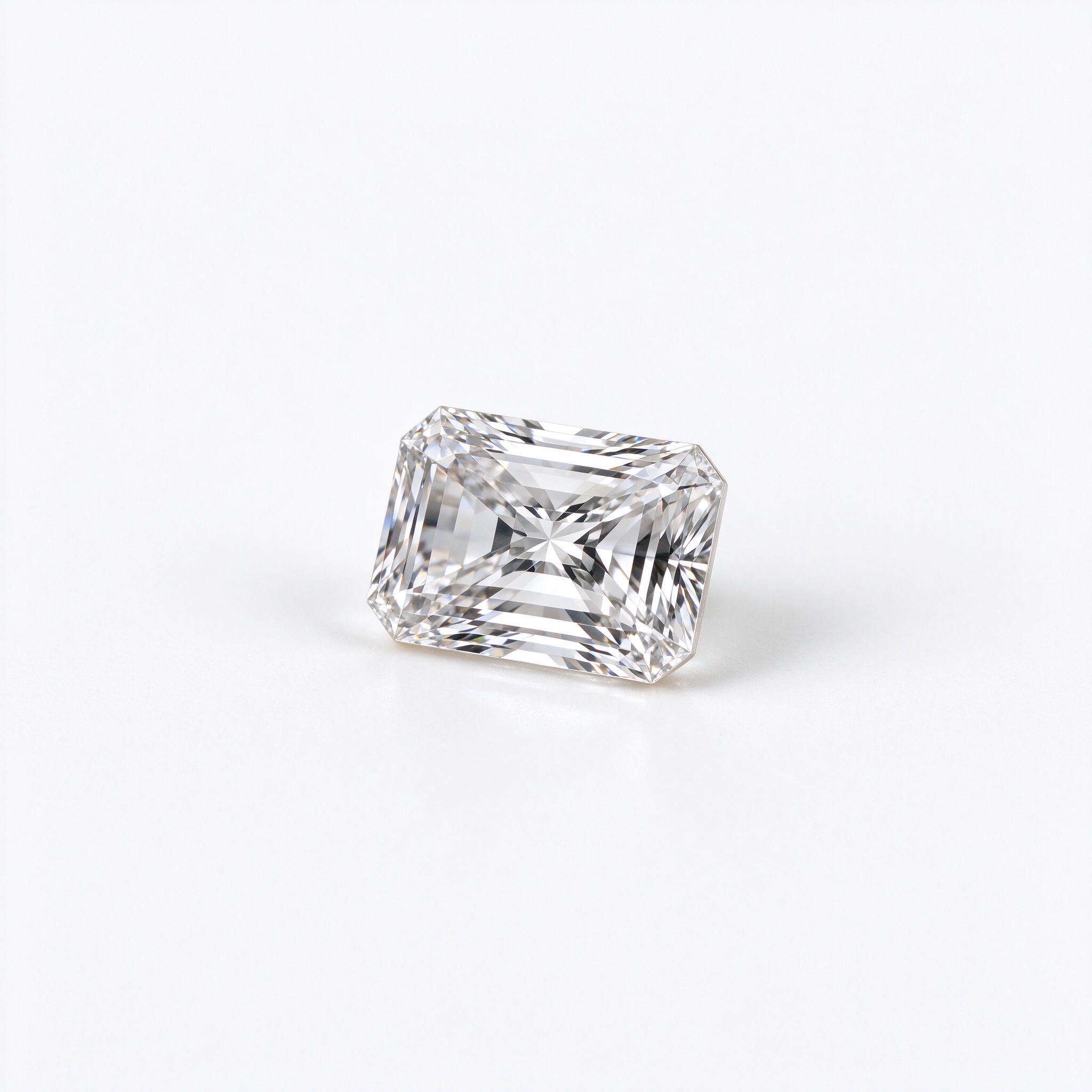
Emerald and asscher are the two step cuts in our range, and buyers often ask how they differ. They share the same DNA: long, parallel facets, a quiet mirror-like sparkle, and a clarity demand that brilliant shapes do not have. But the two shapes read very differently on the hand. This comparison breaks down emerald vs asscher moissanite so you can steer the customer to the right one.
The outline: rectangle vs square
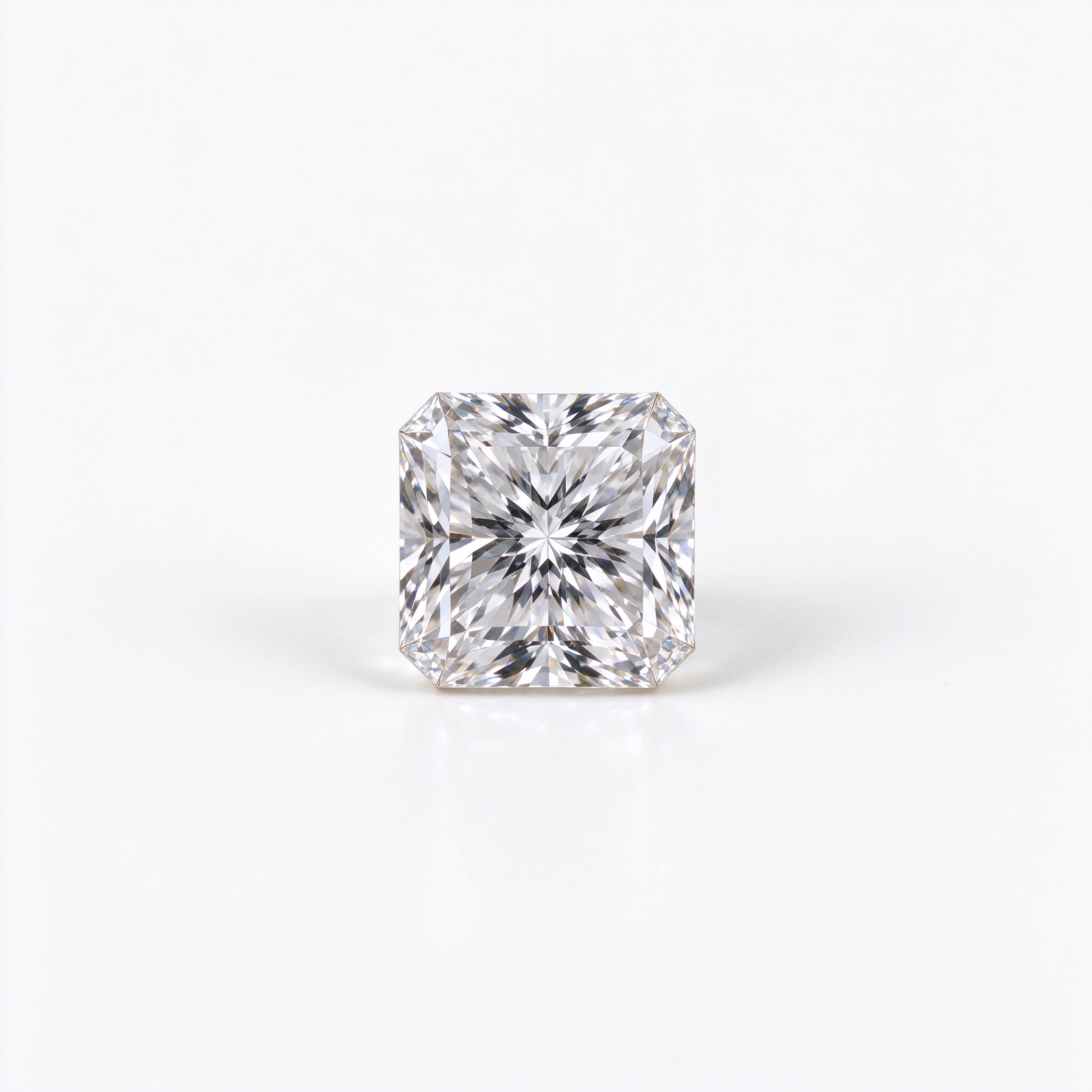
The simplest difference is shape. An emerald cut is rectangular, usually longer than it is wide, with cropped corners. An asscher cut is a square emerald cut: equal length and width, also with cropped corners and a heavy, geometric crown. If the customer wants an elongated, slimming look, it is emerald. If they want a compact, deco, almost octagonal square, it is asscher.
The crown and facet pattern
An asscher has a steeper, pyramidal crown and a smaller table, so the concentric step facets stack up like a ziggurat. It looks deep, architectural and unmistakably art-deco. An emerald cut has a larger table and a more open, linear facet pattern. The asscher feels heavier and more "designed"; the emerald feels cleaner and more modern.
Clarity and color: same high bar
Both step cuts reveal inclusions because of their open facets. We recommend VVS for both. Both also read color directly through the large table, so D-F is the safe choice for white metal. Our emerald clarity guide explains why; it applies to asscher as well.
Who wears which
- Emerald buyers: want sleek, modern, elongated. Often professionals and minimalists. It also suits longer fingers because it lengthens.
- Asscher buyers: want vintage, deco, distinctive. They often already love 1920s architecture and want something understated but expensive-looking.
We stock both: see the emerald collection and the asscher collection.
Settings and styling
Emerald cuts shine in solitaires, east-west rings, and with tapered baguette sides. Asscher cuts pair beautifully in deco settings with millgrain, filigree, or a halo of small stones that frames the square outline. The cropped corners on both shapes are safer than sharp princess corners, so chip risk is lower. For broader shape context, our complete cut guide covers all ten.
Pricing and stocking
Both step cuts sit at a small premium due to hand-finished facets and the strict clarity grade. Neither is a volume SKU, but both have loyal, less price-sensitive customers. We suggest stocking one of each in 1 to 2ct to cover the deco/minimalist segment. If a customer cannot decide between the two, the deciding question is usually "do you want rectangular and modern, or square and vintage?"
Quick FAQ
Which looks bigger? The elongated emerald reads larger on the finger; the asscher reads more compact.
Which is older historically? The asscher is historically a 1920s deco design; the emerald cut predates it.
Can they be mixed in one piece? Unusually; both are usually center-stone shapes rather than side stones.
Settings that sharpen the difference
The mounting reinforces which step cut you have. An emerald cut in a slim modern band reads architectural and current. An asscher in a deco band with millgrain reads vintage. If a customer is torn, show them both in the same style setting and the decision usually becomes obvious. We can supply stones for either mounting; describe the setting and we will match the cut. The emerald and asscher pages show the shapes.
Pricing and customer expectation
Both step cuts are premium, low-volume shapes. Customers who seek them out are usually design-aware and less price-sensitive than round buyers. That means margin is good, but you must sell the look, not the carat. Do not discount step cuts to compete with rounds; they are a different product. For broader pricing logic, read our pricing strategy guide.
How step cuts fit a modern collection
A boutique that only stocks rounds and ovals misses the design-driven customer. Adding one emerald and one asscher opens the vintage and minimalist segments. These customers often become repeat buyers because they appreciate curation rather than trend. To see all ten shapes in one overview, read the complete cut guide, and start a custom order through custom cut.
How the two shapes age in design
Both step cuts are timeless in a way trendy shapes are not. An emerald or asscher ring will not look dated in ten years. This makes them good long-term inventory: you do not have to discount them as fashions change. Customers who buy step cuts are often making a one-time, deliberate purchase, so the sale is high-value. Stock them if you want pieces that age well.
Where step cuts fit a modern store
A store that only stocks rounds and ovals misses the design buyer. One emerald and one asscher open that segment without much investment. These customers often spend more because they value curation. Read the cut guide to see how step cuts sit among the ten shapes.
Deciding and ordering
Once the customer picks rectangle or square, ordering is straightforward. One 1ct stone of each covers the segment. Tell us the grade (VVS, D-F) and we will supply. These are low-volume, high-margin pieces, so a small display range works. Compare the emerald and asscher pages and start on custom cut.
Building a step-cut niche in your store
Step cuts attract a specific, loyal customer. They want quiet design rather than trend. Stocking one emerald and one asscher opens that niche with almost no inventory risk. These pieces do not move in volume, but they sell at good margins and often to customers who come back for more. Merchandise them together as a "quiet luxury" corner, with deco reference images. The right customer will seek you out.
When ordering step cuts, insist on VVS and ask for loupe photos. The open facets are unforgiving, so this grade is worth the cost. We QC every step-cut stone under magnification before it ships. If you want a specific mm size for a custom mounting, we cut to order through custom cut. The emerald and asscher pages show the standard range.